
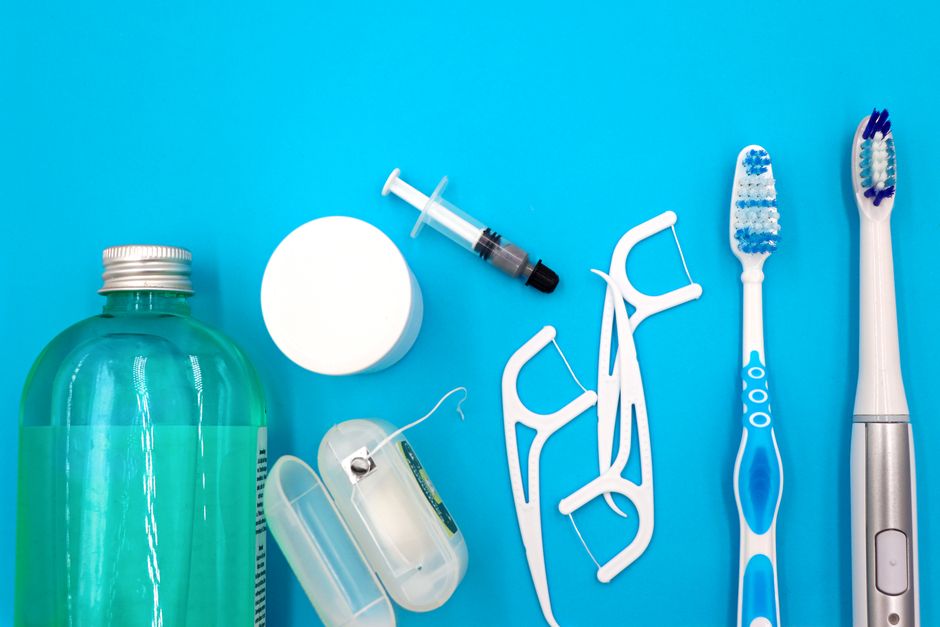
An electric toothbrush does the brushing work for you, but it still needs cleaning — and most people do it wrong. To clean an electric toothbrush, remove the brush head, rinse it under warm running water, and let it air-dry upright. Wipe the handle with a damp cloth, and never submerge the handle in water. That routine takes about 30 seconds and keeps bacteria and grime from building up between brushings.
How To Clean Electric Toothbrush Without Damaging It
The single most important rule is that the handle is not waterproof in the way most people assume. Most handles are water-resistant, meaning they can survive splashes and rinsing. That is not the same as waterproof, which means safe to submerge.
So the cleaning routine splits into two parts — the brush head, which you can get fully wet, and the handle, which you cannot.
Here is the basic process:
- Remove the brush head from the handle after every use.
- Rinse the brush head under warm running water for several seconds, working the bristles with your thumb to loosen toothpaste and debris.
- Rinse the metal shaft on the handle where the head attaches. Toothpaste residue collects there and hardens.
- Wipe the handle with a damp cloth or paper towel. Do not run it under the tap.
- Stand both pieces upright to air-dry. Do not lay them flat on the counter or store them in a closed cabinet while wet.
That is the whole routine. It takes less time than flossing. The reason it matters is not that your mouth is sterile — it is that a wet brush head sitting in a dark, humid bathroom is a good place for microbes to multiply between uses.
How Often Should You Clean an Electric Toothbrush?
Rinse the brush head after every single use. That is not optional. Toothpaste, saliva, and food particles stay on the bristles, and dried toothpaste is harder to remove later.
Beyond the daily rinse, a deeper clean once a week is reasonable. That means removing the head, rinsing the connection point on the handle, and wiping down the handle body. Some people do this every few days. There is no strong evidence that daily deep-cleaning the handle provides extra benefit, but weekly is a sensible baseline.
The brush head itself has a lifespan. Most manufacturers recommend replacing it every three to four months, and that timing is supported by research on bristle wear. Frayed, splayed bristles clean less effectively regardless of how well you maintain them. If you have been sick with a cold, flu, or a mouth infection, replacing the head sooner is a common-sense step, though the evidence that this prevents reinfection is limited.
Should You Disinfect an Electric Toothbrush Head?
Here is where marketing and microbiology part ways. Your mouth contains billions of bacteria, and your toothbrush head is covered in them the moment you use it. That is normal. The bacteria on your brush are mostly your own oral bacteria, which your immune system already handles.
So the goal is not sterilization. It is reducing buildup and preventing the brush from becoming a reservoir for unwanted organisms.
What actually helps:
- Air-drying upright. Microbes need moisture. A brush that dries fully between uses is a poor environment for them.
- Not sharing. Never share a brush head. This is the one clear transmission risk.
- Storing away from the toilet. Flushing aerosolizes particles. Keeping your brush a few feet away and closing the lid before flushing reduces exposure.
- Replacing after illness. Reasonable, though evidence for benefit is thin.
What does not clearly help:
- Mouthwash soaks. Some people soak brush heads in antibacterial mouthwash. It may reduce surface bacteria temporarily, but no strong evidence shows it prevents illness or improves oral health outcomes.
- UV sanitizing cases. These are sold widely. Studies show they can reduce bacterial counts on bristles, but there is no evidence that lower counts translate to fewer infections or better dental health. The bristles are still worn, and the brush still needs mechanical cleaning.
- Dishwasher cleaning. Heat can warp bristles and damage the head. Not recommended.
- Microwaving or boiling. This damages the brush head and is a genuine safety risk with any electronic component nearby.
If you want a simple disinfecting step, soaking the head in a diluted antibacterial mouthwash for a short period occasionally is not harmful for most brush heads. Just do not treat it as necessary. The daily rinse and air-dry matter far more.





What Causes Buildup and Odor on an Electric Toothbrush?
A sour smell from your brush head usually comes from bacteria and mold growing in the moist bristles and the crevice where the head meets the handle. That crevice is the most commonly neglected spot.
When you push the head onto the shaft, a small gap remains. Water and toothpaste slurry get trapped there. Over days, that residue builds into a visible film — often white or grayish — that you may notice when you remove the head.
To clean it, take the head off, rinse the shaft under warm water while the handle is held upright and angled down so water runs away from the body. Wipe the shaft with a cloth. If there is hardened residue, a soft old toothbrush or a cotton swab can loosen it. Do not use sharp tools, which can scratch the plastic and create new places for grime to collect.
If the handle itself smells or feels sticky, wipe it with a cloth dampened with mild soap and water, then wipe again with a clean damp cloth. Do not let water pool around buttons or the charging base. Never put the handle in the dishwasher.
How Should You Store an Electric Toothbrush Between Uses?
Storage matters more than most people realize. The wrong setup undoes your cleaning.
Stand the brush upright so water drains away from the handle and bristles. If your brush has a charging base, that base should be kept dry and wiped occasionally, since standing water around the base can encourage microbial growth.
Do not store the brush in a closed travel case while wet. That traps moisture against the bristles and the handle. If you use a vented travel cap, that is fine for short periods, but let the head dry fully before capping it.
Keep the brush away from the toilet and close the lid before flushing. If you share a bathroom, keep brushes separated so heads do not touch. Head-to-head contact is a real way to transfer organisms between people.
Some people keep the brush in a cabinet. That is fine if the brush is dry. If it is still wet, a closed cabinet is worse than open air.
Do You Need to Clean the Charger and Base?
Yes, and it is the most forgotten part. The charging base sits on the counter, collects water, toothpaste drips, and dust, and rarely gets cleaned.
Unplug the base before cleaning. Wipe it with a damp cloth. If there is dried residue around the charging contacts, a cotton swab with a little water works. Let it dry completely before plugging it back in.
Do not immerse the base in water. If your base is designed to sit in a cup or holder, clean that holder too — it often collects a ring of grime at the bottom.
A clean base does not directly improve your brushing. But a wet, dirty base keeps the handle sitting in moisture, which is exactly what you are trying to avoid.
Common Mistakes That Shorten Your Toothbrush’s Life
Most electric toothbrush failures come from water getting inside the handle, not from worn bristles.
- Submerging the handle. This is the top cause of malfunction. Water seeps past seals and corrodes electronics.
- Rinsing the whole brush under a strong stream. Splashing is fine. Direct pressure into seams is not.
- Leaving the head on while the brush charges. Not harmful in itself, but it means the connection point never dries.
- Storing wet in a case. Traps moisture and odor.
- Using the brush past bristle wear. Worn bristles clean less effectively, and no amount of cleaning fixes that.
The honest summary: cleaning an electric toothbrush is mostly about water management. Keep the head clean and dry, keep the handle wiped but not soaked, and replace the head when the bristles wear. Skip the gadgets unless you simply prefer them. They do not replace the basics.
Frequently Asked Questions
Can I put my electric toothbrush handle in water?
No. Most handles are water-resistant but not waterproof, so submerging them can let water into the electronics and cause failure. Rinse only the brush head and wipe the handle with a damp cloth.
How often should I replace my electric toothbrush head?
Most manufacturers and dental guidance point to every three to four months, or sooner if the bristles look frayed. Worn bristles clean less effectively no matter how well you maintain the brush.
Does a UV toothbrush sanitizer actually work?
UV cases can reduce bacteria on bristles, but no evidence shows that this prevents illness or improves dental health. The daily rinse, air-dry, and head replacement matter far more.
Why does my electric toothbrush head smell bad?
Odor usually comes from bacteria and mold growing in wet bristles and in the gap where the head meets the handle. Removing the head, rinsing the shaft, and letting both air-dry upright usually resolves it.
