
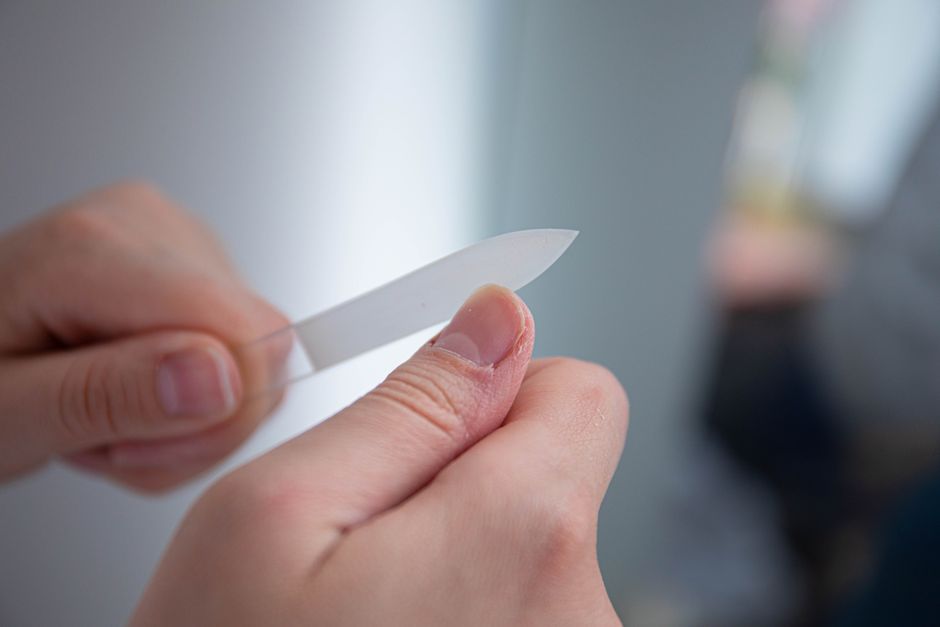
An ingrown fingernail happens when the edge of the nail grows into the skin beside it instead of over it. That pressure cuts into the skin and triggers pain, redness, and sometimes swelling. On fingers it is far less common than on toes, but it does happen, and the causes are usually mechanical — how the nail is trimmed, pressure on the fingertip, or an injury to the nail.
Most early cases settle with simple care at home. When the skin is broken and infection sets in, the picture changes and medical treatment becomes necessary. Knowing which situation you are in matters, because the two are handled very differently.
How Do You Get An Ingrown Fingernail Causes Fixes
An ingrown fingernail develops when a sharp nail edge presses into the soft tissue alongside the nail. The skin reacts to that constant pressure the way it reacts to any small wound — with inflammation. Blood flow increases to the area, which produces the familiar redness, warmth, and tenderness.
Several things make this more likely:
- Trimming the nail too short. When the nail is cut back past the point where it separates from the skin underneath, the remaining edge can catch and dig in as it regrows.
- Rounding the corners. Curving the nail deeply at the sides creates a curved edge that points downward into the skin.
- Tearing or biting nails. A torn nail leaves a jagged edge with sharp points. Biting does the same and adds pressure from the teeth.
- Repeated pressure. Leaning on a fingertip, gripping tools tightly, or playing an instrument that presses on the nail can push the edge into the skin over time.
- Injury. A slammed finger, a dropped object, or a stub can distort the nail or the tissue around it.
- Nail changes with age. Nails tend to thicken and curve more as people get older, which can increase pressure at the edges.
There is a common belief that ingrown nails are mainly a hygiene problem. That is largely untrue. The evidence points to mechanical causes — trimming habits and pressure — as the main drivers, not cleanliness.
Some people are simply more prone to them. A naturally wide nail bed or a nail that curves downward at the sides (sometimes called a pincer nail) creates more edge pressure. Fungal nail infections can also change how a nail grows and how thick it becomes, which may contribute.
Why Are Ingrown Fingernails Less Common Than Ingrown Toenails?
Fingers experience far less of the specific pressure that drives ingrown nails on feet. Toes sit inside shoes, where the sides of the shoe press the nail edge into skin all day, and the big toe carries a large share of body weight with every step. Fingers are exposed, free, and rarely squeezed.
That is the main reason ingrown toenails are a routine clinical problem and ingrown fingernails are not. The same mechanisms apply — trimming, pressure, injury — but the forces are smaller and less constant on the hands.
When an ingrown fingernail does occur, it is usually on the side of the thumb or index finger. Those are the digits that grip, press, and take impact most often.
What Are the Signs of an Ingrown Fingernail?
The first sign is tenderness along one edge of the nail, often with a small area of redness right where the nail meets the skin. Pressing on that spot is uncomfortable, and the skin may feel tight or slightly swollen.
As inflammation continues, the area can become more swollen and the skin beside the nail may start to look shiny. If the skin breaks — which can happen from pressure alone or from picking at it — bacteria that normally live on skin can get in.
Signs that infection may be developing include:
- Increasing pain rather than steady or improving pain
- Pus visible at the nail edge
- Spreading redness beyond the immediate area
- Warmth that feels out of proportion to the rest of the finger
- Fever, in more advanced cases
Pus and spreading redness are the signals to stop home care and get medical attention. A finger infection can spread into the deeper tissues of the finger, and those spaces are not forgiving.





What Helps an Ingrown Fingernail Heal?
For a mild case without pus or spreading redness, the goal is to reduce pressure on the skin and let the inflammation settle. Soaking the finger in warm water for about 10 to 15 minutes a couple of times a day softens the nail and the surrounding skin. Some clinicians suggest this, though formal trials on soaking specifically for fingernails are limited.
After soaking, gently lifting the nail edge away from the skin with a clean tool — not digging into the skin — can relieve pressure. A small piece of clean cotton placed under the lifted edge may help keep it separated while the nail grows past the skin. This is a widely used approach, but it should be done gently and only on a nail edge that lifts without force. If it hurts or requires pressure, stop.
Keeping the area clean and dry and avoiding pressure on the fingertip helps. So do not trim the nail shorter while it is inflamed — that tends to make the problem worse.
Do not attempt to cut out the ingrown portion of the nail at home. That is a procedure, and doing it yourself risks introducing infection and damaging the nail bed.
When Should You See a Doctor?
See a clinician if there is pus, spreading redness, increasing pain, or any sign of infection. Also seek care if the problem has not improved after a week or so of gentle home care, or if it keeps coming back.
People with diabetes, poor circulation, or a weakened immune system should not manage an ingrown fingernail at home for long. These conditions raise the risk of a minor skin break becoming a more serious infection, and early medical assessment is the safer path.
In a clinical setting, treatment depends on how advanced the problem is. For infection, a clinician may prescribe antibiotics. For a nail that keeps digging in, a minor procedure can remove the ingrown edge — sometimes with a small amount of chemical applied to the nail root so that edge does not regrow. This is a common approach for recurrent ingrown toenails, and clinicians apply similar techniques to fingernails, though the evidence specific to fingers is thinner than for toes.
How Can You Prevent an Ingrown Fingernail?
Trim nails straight across and leave the corners slightly rounded, not deeply curved. Keep the nail long enough that the edge sits above the skin, not below it. A nail trimmed to the point where the skin at the tip is exposed is more likely to grow in.
Use a clean, sharp nail clipper rather than tearing or biting. If a nail snags or tears, file the rough edge smooth rather than pulling it.
If you use your hands heavily — gripping tools, lifting, or playing an instrument — pay attention to whether one fingertip is under repeated pressure. Adjusting grip or using protection can reduce the load on the nail edge.
If you have a nail that curves sharply at the sides or tends to ingrow repeatedly, mention it to a clinician. Recurrent problems sometimes need a more definitive fix than trimming habits alone can provide.
Frequently Asked Questions
Can an ingrown fingernail heal on its own?
Mild cases often settle with gentle care that reduces pressure on the nail edge. If there is pus, spreading redness, or worsening pain, it needs medical attention rather than waiting.
Should I cut the ingrown part of my fingernail out?
No. Cutting into the nail at home risks infection and damage to the nail bed. A clinician can remove the ingrown edge safely if it is needed.
What causes ingrown fingernails?
The main causes are trimming nails too short, rounding the corners deeply, tearing or biting nails, and repeated pressure or injury to the fingertip. Hygiene is not a primary cause.
How long does an ingrown fingernail take to heal?
Mild cases often improve within several days to about a week with gentle care and reduced pressure. Healing takes longer if infection develops, and that situation needs treatment.
