
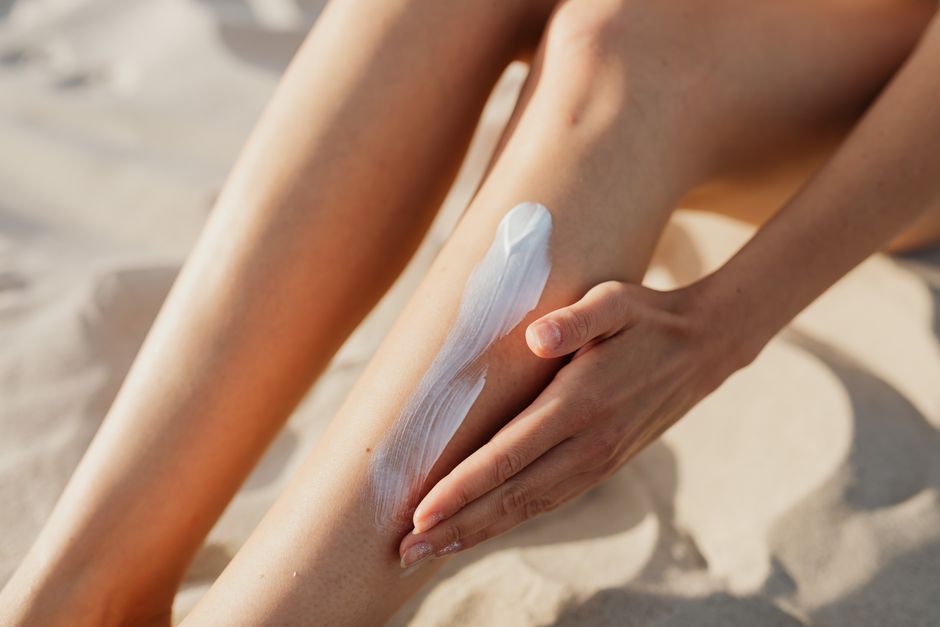
An ingrown hair happens when a shaved hair grows back into the skin instead of pushing out through the surface. The single most effective prevention step is to shave with the grain of hair growth using a sharp, clean razor and light pressure — no stretching, no repeated passes over the same spot. Add warm water and a lubricating shave gel before the blade touches your skin, and skip close “against-the-grain” passes on areas prone to ingrowns, like the bikini line, underarms, and neck. These steps reduce irritation and cut the hair in a way that makes it less likely to curl back under the skin.
Why Do Ingrown Hairs Happen After Shaving?
Shaving cuts hair at an angle and leaves a sharp, sometimes irregular tip just below or at the skin surface. As that hair grows back, it can curl sideways and re-enter the skin, or get trapped under a thin layer of dead skin cells. The body then treats it like a foreign object, which triggers the redness, bump, and sometimes pus you see.
Curly or coarse hair is more likely to curve back into the skin. That is why ingrown hairs are more common in the beard area, pubic region, and underarms than on the smooth skin of the forearm. Friction from tight clothing, dry shaving, and dull blades all raise the odds.
One thing worth separating out: an ingrown hair is not the same as razor burn. Razor burn is surface irritation from friction and poor technique. An ingrown hair is a hair physically trapped or growing back into the skin. They can look similar and often appear together, but the fix is slightly different — one is about reducing friction, the other is about how the hair is cut and how it grows back.
How To Prevent Ingrown Hairs When Shaving Tips That Work
The techniques below target the actual mechanism — how the hair is cut and how the skin around it behaves afterward. None of them require special products.
- Soften the hair first. Shave after a warm shower or hold a warm, damp cloth on the area for a few minutes. Wet hair is softer and cuts more cleanly with less tugging.
- Use a lubricating gel or cream. Never dry shave. A slick layer lets the razor glide and reduces friction. Some people find shave gel works better than soap, which can dry the skin.
- Use a sharp, clean razor. A dull blade drags and tears hair rather than slicing it. Rinse the blade after every stroke and replace it when it starts pulling.
- Shave with the grain. Follow the direction the hair grows. On the neck and face this usually means downward. On the legs, it is typically downward from knee to ankle.
- Use light, short strokes. Do not press hard. Do not go over the same spot repeatedly to get closer. That closeness is what drives the hair below the skin line.
- Do not stretch the skin tight. Pulling skin taut can lift the hair and cause it to be cut below the surface, which sets up an ingrown hair as it regrows.
- Rinse with cool water and pat dry. Cool water helps calm the skin. Patting rather than rubbing avoids added friction.
- Moisturize afterward. A light, non-comedogenic moisturizer keeps the skin surface supple, which may help hair push through rather than getting trapped.
The stretching point catches people off guard. Many of us were taught to pull skin tight for a closer shave. That closer shave is exactly what increases ingrown risk on sensitive areas.
Does Shaving Direction Really Matter?
Yes, and it is one of the best-supported prevention steps. Shaving against the grain cuts hair at or below the skin surface. When that hair regrows, it has further to travel and a sharper tip, so it is more likely to curl and re-enter the skin. Shaving with the grain leaves the hair slightly longer but reduces that risk.
There is a real trade-off here. Shaving with the grain gives a less close shave. If a very smooth finish matters to you, you are accepting a higher chance of ingrown hairs on areas prone to them. On the face and bikini line especially, many dermatologists favor the with-the-grain approach for people who get recurring bumps.
If you do want a closer result, single light passes in different directions are generally gentler than pressing hard in one direction. The pressure and repetition matter as much as the direction.




What About Exfoliation and Hair Removal Creams?
Gentle exfoliation before shaving can help clear dead skin cells that might otherwise trap a regrowing hair. The word that matters is gentle. Rough scrubs, loofahs, and aggressive brushing can irritate skin and make inflammation worse.
Chemical exfoliants — products containing ingredients like salicylic acid or glycolic acid — are sometimes recommended by clinicians to help keep pores clear and reduce the buildup that contributes to ingrown hairs. The evidence for these specifically preventing ingrown hairs is limited and largely based on their known effect on skin cell turnover rather than large trials. Some people find them helpful; others find them irritating, especially on sensitive skin. If you try one, patch test first.
Depilatory creams dissolve hair at the surface rather than cutting it, so the regrowing tip is softer and rounder. Some people get fewer ingrown hairs with them than with shaving. They can still irritate skin, and they are not appropriate for the face or broken skin without checking the product label. They are a reasonable alternative to consider, not a guaranteed fix.
When Should You Stop Shaving an Area?
If an area keeps producing ingrown hairs despite good technique, giving the skin a break is reasonable. Letting hair grow for a few weeks allows the skin to settle and lets trapped hairs surface on their own. Many people find that alternating shaving with trimming or other methods reduces repeat problems in the same spot.
If you have a bump that is growing, spreading, hot to the touch, or accompanied by fever, that is not a routine ingrown hair and warrants medical attention. Signs of infection include increasing pain, spreading redness, or pus that does not clear. People with diabetes or weakened immune systems should be especially cautious with any skin infection and seek care early.
Do not dig at or squeeze a suspected ingrown hair. Picking can push bacteria deeper, cause scarring, and turn a minor bump into an infection. A warm compress can help a trapped hair come to the surface on its own. If a bump persists for weeks or keeps recurring in the same place, a clinician can assess it — occasionally what looks like an ingrown hair is something else that needs a proper look.
Do Razor Type and Blade Condition Matter?
Blade condition matters more than razor type. A sharp blade cuts hair cleanly with less pulling. A dull or rusty blade tears at hair and drags across skin, which raises irritation and the chance of a rough regrowth edge. Rinsing the razor thoroughly after each use and storing it dry helps it stay clean and sharp longer.
Single-blade and fewer-blade razors are often recommended for people prone to ingrown hairs, because multi-blade razors can cut hair closer to or below the skin by pulling it up first. The evidence here is based on how multi-blade razors are designed to work rather than large head-to-head trials. It is a reasonable choice to try if you get recurring bumps, but it is not a proven universal fix.
Electric razors generally cut hair slightly above the skin surface, which may reduce ingrown risk for some people. Again, individual results vary. The pattern holds: the closer the cut to or below the skin, the higher the risk of a hair growing back into it.
What Habits Make Ingrown Hairs More Likely?
Several everyday habits raise the odds, and most are easy to change.
- Shaving dry or over skin that has not been warmed and softened.
- Pressing hard or making many passes to chase a closer shave.
- Using a dull, clogged, or old blade.
- Wearing tight clothing that rubs the freshly shaved area, especially right after shaving.
- Shaving over skin that is already irritated, sunburned, or broken.
- Picking or squeezing bumps that appear.
Tight clothing and friction are underrated. A freshly shaved bikini line or neck rubbed by a waistband or collar all day is more likely to develop irritation that sets up an ingrown hair. Loose clothing for a day after shaving sensitive areas is a simple, low-cost step.
Does Aftercare Really Prevent Ingrown Hairs?
Aftercare helps mainly by reducing irritation and keeping skin healthy, not by directly stopping a hair from curling. Moisturizing with a light, non-greasy product supports the skin barrier. Avoiding heavy, occlusive products on freshly shaved skin reduces the chance of clogged pores.
Some clinicians suggest products containing salicylic acid or other gentle exfoliants a day or two after shaving to help clear dead skin. The direct evidence that this prevents ingrown hairs is limited. It is a commonly recommended approach rather than a proven one. If your skin tolerates it, it may help; if it stings or reddens, stop.
The most reliable aftercare is simple: cool rinse, pat dry, light moisturizer, and loose clothing. Give the skin a day before shaving the same area again.
Frequently Asked Questions
How do you prevent ingrown hairs when shaving?
Soften the hair with warm water, use a sharp clean razor and a lubricating gel, shave with the grain using light strokes, and avoid stretching the skin or making repeated passes. Moisturize afterward and wear loose clothing on the area.
Should you shave with or against the grain to avoid ingrown hairs?
Shave with the grain to lower the risk. Shaving against the grain cuts hair closer to or below the skin surface, which makes it more likely to curl back in as it regrows.
How often should you change your razor blade?
There is no single official schedule, but replace the blade when it starts pulling, dragging, or feeling dull, and rinse and dry it after every use. A sharp blade cuts more cleanly and irritates skin less than a dull one.
Can you pop an ingrown hair?
No — do not squeeze or dig at it. Picking can push bacteria deeper, cause scarring, and turn a minor bump into an infection. Use a warm compress and see a clinician if it persists, spreads, or becomes painful.
