
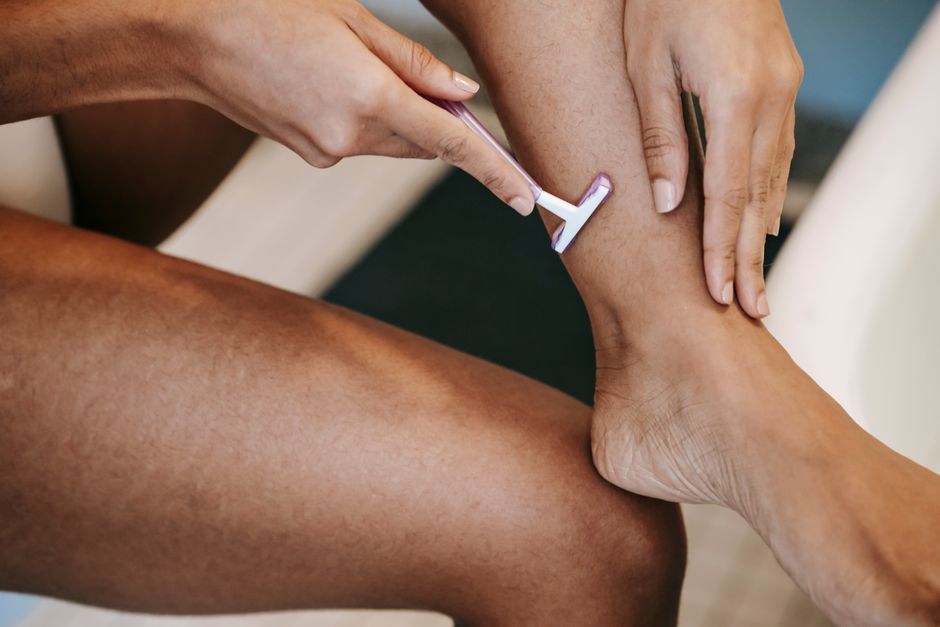
An ingrown hair after waxing happens when a new hair grows back and curls into the skin instead of rising through the surface. The reliable at-home approach is to leave the area alone, apply a warm compress to encourage the hair to surface, and gently exfoliate once the skin has calmed. Do not dig, squeeze, or pick at the bump. Most ingrown hairs clear on their own within a few weeks, and the goal of home care is to ease irritation and prevent infection while the skin heals.
Why Does Waxing Cause Ingrown Hairs?
Waxing removes hair from below the skin surface, and the hair that grows back has to find its way out through the follicle opening again. Sometimes it doesn’t. The hair curls sideways or gets trapped under a thin layer of skin, and the body responds to it as a foreign object. That response is what you see and feel: a small red or dark bump, sometimes with mild swelling.
The follicle itself is a tiny pocket in the skin. When waxing pulls the hair out, the follicle can narrow slightly as it heals, and the new hair has less room to exit. Curly and coarse hair is more likely to bend back into the skin. This is why ingrown hairs are more common after waxing than after shaving in some people, though shaving causes its own version of the problem when hair is cut at an angle.
There’s a detail many people miss: an ingrown hair isn’t a single event. The bump you see may be the hair trapped below the surface, or it may be inflammation left behind after the hair has already worked its way out. That distinction matters, because it changes whether you should be trying to free the hair or simply calming the skin.
What Does an Ingrown Hair Look Like After Waxing?
Most ingrown hairs appear as small, firm bumps in the waxed area, often with a slightly darker center where the trapped hair sits beneath the skin. The surrounding skin may be pink or red. Some bumps look like tiny pimples, and a few may contain a small amount of pus if the follicle has become inflamed.
Common features include:
- Small raised bumps, often in a cluster where hair was removed
- Redness or mild tenderness around the bump
- A visible dark line or dot under the skin (the trapped hair)
- Mild itching as the skin heals
- Occasional small pustules if the follicle is irritated
These bumps usually show up within a few days to a couple of weeks after waxing, as new hair begins to grow back. If a bump becomes large, hot, spreading, or very painful, that goes beyond a typical ingrown hair and needs medical attention. A spreading redness or fever is a sign of possible infection, not something to treat at home.
How To Treat Ingrown Hairs After Waxing At Home
The first and most important step is to stop touching the area. Picking, squeezing, or digging at an ingrown hair is the most common way people turn a minor bump into an infected one. The skin around a freshly waxed follicle is sensitive, and broken skin invites bacteria in.
What actually helps:
- Warm compress. Hold a clean, warm (not hot) damp cloth against the bump for a few minutes, a couple of times a day. Warmth increases blood flow to the area and can help the hair work its way to the surface. This is the most consistently recommended home measure.
- Gentle exfoliation, once the skin has settled. Light physical exfoliation with a soft washcloth or a gentle scrub can help remove dead skin that traps hairs. Do this only after the initial irritation has calmed, not on raw or broken skin.
- Keep the area clean and dry. Wash gently with mild soap and water. Avoid tight clothing that rubs against the waxed skin.
- Resist the urge to tweeze. If a hair is clearly visible at the surface and lifting out easily, some people carefully free it with clean tweezers. But digging for a hair that is under the skin often causes more harm than good. If it doesn’t come out easily, leave it.
Over-the-counter options exist, but the evidence for most is limited. Some clinicians suggest a mild chemical exfoliant containing salicylic acid or glycolic acid to help clear dead skin and reduce blockage, though these can sting on freshly waxed skin and should not be used on broken or irritated areas. No large human trials confirm that these products reliably prevent or resolve ingrown hairs, so treat them as supportive measures rather than proven fixes.
For discomfort, a cool compress can reduce swelling and itching. Avoid harsh scrubbing, strong fragrances, and alcohol-based products on the area.


Should You Pop or Squeeze an Ingrown Hair?
No. Squeezing an ingrown hair is the single most common mistake, and it reliably makes things worse. The hair is trapped beneath the skin, so squeezing doesn’t free it. It damages the surrounding tissue, pushes bacteria deeper into the follicle, and raises the risk of scarring and infection.
This is the point where many people expect a dramatic fix and don’t get one. The honest position is that ingrown hairs are largely self-resolving. The body often works the hair out on its own, sometimes over a few weeks. Your job is to support that process, not force it. If a bump is not improving after several weeks, or is getting larger or more painful, see a healthcare provider rather than escalating home treatment.
How Can You Prevent Ingrown Hairs After Waxing?
Prevention is more reliable than treatment, though no method eliminates ingrown hairs entirely. The general approach is to keep the skin’s surface clear so new hairs can exit, and to avoid irritating freshly waxed skin.
- Exfoliate gently in the days before waxing and again once the skin has healed afterward.
- Moisturize the waxed area regularly to keep skin supple.
- Wear loose clothing over waxed skin for the first day or two.
- Avoid waxing over skin that is already irritated, sunburned, or broken.
- Follow the waxing professional’s aftercare instructions, which usually include avoiding heat, sweating, and tight clothing for a short period.
Some people find that regular gentle exfoliation reduces how often they get ingrown hairs. The evidence for specific routines is not strong, so treat this as reasonable general skin care rather than a guaranteed method. If ingrown hairs are frequent and severe, it may be worth discussing other hair removal options with a clinician or dermatologist.
When Should You See a Doctor?
Most ingrown hairs are harmless and clear without medical care. See a healthcare provider if a bump becomes increasingly painful, large, or filled with pus, or if redness spreads beyond the immediate area. These can be signs of a bacterial infection of the follicle that may need treatment.
Also seek care if you develop a fever, if the area feels hot to the touch, or if you notice streaks of redness spreading from the bump. People with diabetes, weakened immune systems, or poor circulation should be especially cautious about skin infections and should not delay care if a bump looks infected.
Some ingrown hairs leave dark marks after they heal. These are usually temporary and fade over time, but persistent dark spots or raised scars are worth mentioning to a clinician.
Frequently Asked Questions
How long do ingrown hairs last after waxing?
Most ingrown hairs clear on their own within a few weeks as the hair works its way out and the inflammation settles. If a bump is still present and painful after several weeks, see a healthcare provider.
Can I use tweezers to remove an ingrown hair?
Only if the hair is clearly visible at the surface and lifts out easily with clean tweezers. Digging for a hair that sits under the skin usually causes more damage and raises the risk of infection.
Does exfoliating help ingrown hairs after waxing?
Gentle exfoliation can help remove dead skin that traps new hairs, but it should only be done once the skin has calmed. Avoid scrubbing raw or irritated skin.
How can I tell if an ingrown hair is infected?
Signs include increasing pain, a large or growing bump, spreading redness, warmth, or pus. Fever or streaks of redness spreading from the area need prompt medical care.
