
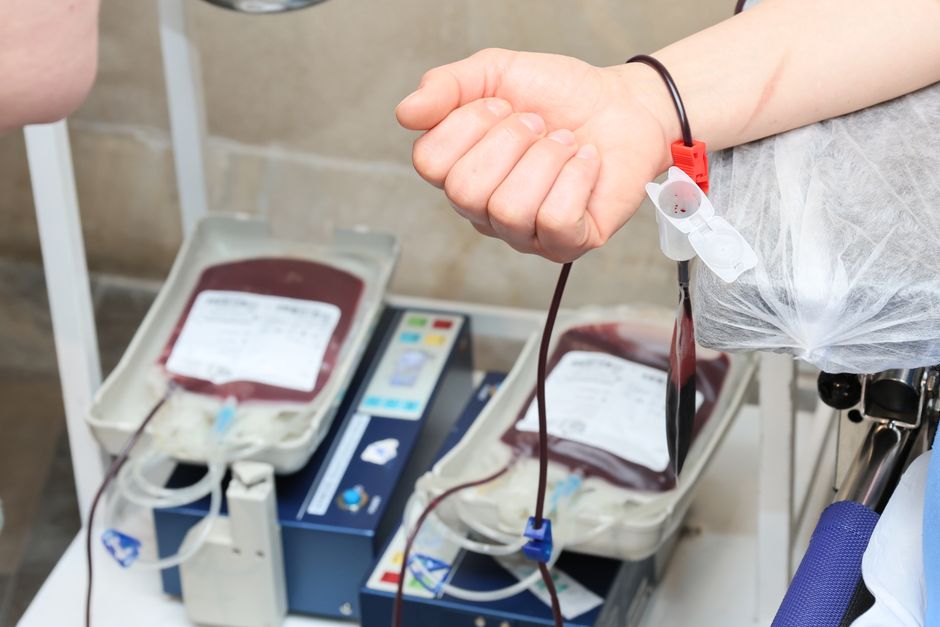
Most people feel some improvement within hours of a red blood cell transfusion, though the change is usually gradual rather than dramatic. The first thing many notice is that it becomes easier to move without getting winded, and that the heavy, foggy tiredness starts to lift. Some people feel noticeably better within a day or two, while others need more time to recover. How you feel depends on why you needed the transfusion, how low your blood counts were, and how your body responds to the procedure itself.
How Do You Feel After a Blood Transfusion in the First Few Hours?
The first hours are mostly about monitoring. You will usually stay seated or lying down for a short period so staff can watch your vital signs. This is standard practice, not a sign that something is wrong.
During this window, many people notice their breathing feels easier. If you were anemic, your heart may have been working harder to move less oxygen around. Red blood cells carry oxygen, so replacing them eases that load. Some people describe a lightheaded feeling fading. Others feel a mild chill or a slight warmth, which is common and usually settles on its own.
Not everyone feels better right away. A single unit of red blood cells raises hemoglobin by a modest amount, and that change does not always translate into an immediate feeling of energy. Your body may still be adjusting. Fatigue that built up over weeks does not reverse in an hour.
Some people feel emotional relief. If you had been struggling with breathlessness or chest tightness, having that ease can bring a sense of calm. That reaction is real and worth naming, even though it is not something a lab value measures.
Why Do Some People Feel Tired or Worn Out Afterward?
Feeling tired after a transfusion is common and does not mean the transfusion failed. Several things can explain it.
First, the underlying reason you needed blood is still there. Transfusion treats the symptom of low blood counts. It does not fix the cause, whether that is ongoing bleeding, a bone marrow problem, kidney disease, or something else. If the cause continues, fatigue can return.
Second, your body has been under strain. Anemia forces the heart and lungs to compensate. That effort is tiring. Recovery takes time even after oxygen delivery improves.
Third, the procedure itself can be draining for some people. Sitting still for a couple of hours, the emotional weight of needing blood, and disrupted sleep in a hospital setting all add up.
There is also a practical point worth knowing. Red blood cells have a limited shelf life and function in the body over a set period. Their benefit is not permanent. If the underlying condition keeps destroying or losing blood cells, your counts can fall again, and so can your energy.
What Are the Common Physical Sensations People Report?
People describe a range of sensations. There is no single normal experience.
- A gradual return of energy, often over one to two days
- Easier breathing during light activity
- Less pounding or racing heartbeat with exertion
- Mild warmth or a slight chill during the transfusion
- Headache or mild achiness in some people
- Improved color in the skin or lips if you were pale
Some of these relate directly to better oxygen delivery. Others are harder to pin down and likely reflect a mix of physical and emotional factors. If you felt unwell before, almost any improvement can feel significant.
It helps to remember that a transfusion is a treatment, not a cure. The goal is usually to relieve symptoms and get your counts into a safer range, not to restore you to a peak state of health in one session.


What Side Effects Should You Watch For?
Most transfusions go smoothly. When reactions happen, they usually appear during the transfusion or within the first hours afterward. This is why staff monitor you closely.
Reactions that need immediate attention include fever, chills with shaking, a rash or hives, itching, trouble breathing, chest or back pain, and a sudden feeling that something is wrong. These can signal a reaction to the blood product, and medical staff are trained to recognize and treat them. Report any of these right away.
A delayed reaction can also occur days later. A common one is a slow drop in red blood cells caused by the immune system reacting to the donated blood. This may show up as returning fatigue, a yellow tint to the skin or eyes, or dark urine. These signs need medical evaluation.
One more point that often surprises people. Transfusions carry a small risk of fluid overload, especially in people with heart or kidney conditions. This can cause swelling, shortness of breath, or a rise in blood pressure. It is a reason clinicians sometimes give blood slowly or in smaller amounts.
If you have questions about your specific risks, ask your care team. Your situation depends on your diagnosis, your heart and kidney function, and how many units you receive.
Does How You Feel Match Your New Blood Counts?
Not always, and this is worth understanding.
Hemoglobin is the protein in red blood cells that carries oxygen. A low level is called anemia. Doctors often use hemoglobin levels to decide whether a transfusion is needed and to judge how well it worked.
But how you feel and what your lab results show do not always line up. Some people feel much better even when their numbers improve only modestly. Others see a good number on paper but still feel exhausted. This gap is real and is not a sign that you are imagining things or that the treatment did not work.
Several factors shape how you feel beyond hemoglobin. These include how quickly your counts dropped, whether you have other conditions, your overall fitness, and how long you were anemic before treatment. Someone whose anemia developed slowly may have adapted in ways that make the change feel less obvious.
This is also why clinicians do not rely on lab values alone. They ask how you are functioning, whether you can do your usual activities, and how your breathing and energy feel day to day.
How Long Does It Take to Feel Normal Again?
There is no single timeline. It varies widely from person to person.
Many people notice real improvement in energy within a day or two after a red blood cell transfusion. For others, it takes longer, especially if they were very anemic or have ongoing illness. Some feel better quickly and then plateau, because the transfusion corrected a deficit but did not address the cause.
Full recovery depends far more on the underlying condition than on the transfusion itself. If the cause is treated or resolved, energy often continues to improve. If the cause persists, fatigue may come and go with your counts.
It also matters what kind of transfusion you received. Red blood cells treat anemia and fatigue. Platelets help with clotting and bleeding. Plasma supports clotting as well. Each has different effects on how you feel, and the reasons for each differ.
Rest, good nutrition, and following your treatment plan all support recovery. But no single approach guarantees a fast return to normal. Be honest with your care team about how you feel, even if it does not match your test results.
What Should You Do If You Feel Worse Instead of Better?
Feeling worse is a reason to contact your care team, not something to wait out.
Get medical help right away if you have trouble breathing, chest pain, a high fever, shaking chills, a spreading rash, or you simply feel that something is seriously wrong. These can be signs of a reaction or another problem that needs prompt care.
Call your doctor if fatigue returns or worsens in the days after your transfusion, if you notice yellowing of the skin or eyes, or if your urine turns dark. These can point to a delayed reaction or a falling blood count.
It is also worth telling your team if you feel no different at all. That information helps them understand whether the transfusion achieved its goal and whether your treatment plan needs adjusting.
Transfusion medicine has become safer over decades, but it is not risk-free, and it is not a fix for every cause of low blood counts. Knowing what to expect, and what to report, helps you stay in control of your own recovery.
Frequently Asked Questions
How soon do you feel better after a blood transfusion?
Many people notice easier breathing and less fatigue within a few hours to a day or two. The exact timing depends on why you needed the transfusion and how low your counts were.
Is it normal to feel tired after a blood transfusion?
Yes, tiredness after a transfusion is common and does not mean it failed. The underlying condition that caused your anemia is often still present, and your body may need time to recover.
What are the warning signs of a reaction after a blood transfusion?
Fever, shaking chills, rash, itching, trouble breathing, and chest or back pain are signs that need immediate medical attention. Report any of these to your care team right away.
Does feeling better mean the transfusion worked?
Feeling better usually suggests the transfusion helped, but how you feel does not always match your lab results. Some people feel improved with only modest changes in their blood counts.
