
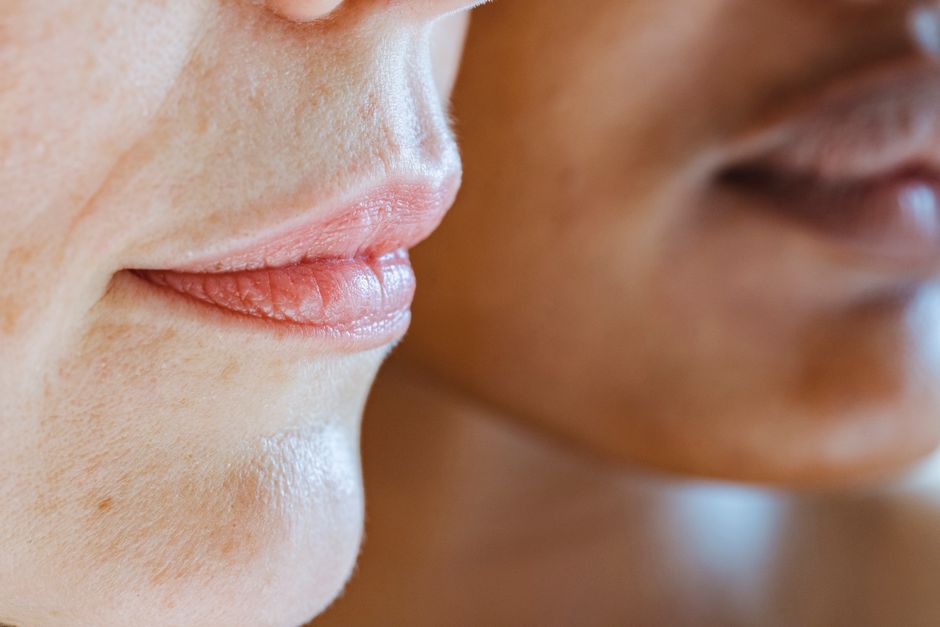
You want chapped lips gone — fast. The quickest way to heal them is to switch to a thick, petrolatum-based ointment and apply it constantly throughout the day. Stop licking your lips and protect them from cold, dry air and direct sun. Most chapped lips improve within two to three days with consistent care.
What causes chapped lips in the first place?
Your lips have a thin outer layer and no oil glands. This makes them dry out faster than the rest of your skin. When the air is dry, windy, or cold, moisture evaporates from your lips quickly. Licking your lips adds saliva that evaporates and takes even more moisture with it.
Some lip balms make things worse. Ingredients like camphor, menthol, and phenol give a cooling sensation but can irritate the skin. Over time they strip natural oils. Sun exposure also damages lips, just like it damages skin elsewhere.
Certain habits and conditions contribute too. Mouth breathing while sleeping dries lips overnight. Dehydration, fever, or allergies can leave lips parched. Some medications — including retinoids and some chemotherapy drugs — list chapped lips as a side effect. In most cases though, the cause is simple environmental dryness combined with habitual licking.
How Do You Cure Chapped Lips Fast?
There is no magic cure, but the fastest method is proven and straightforward. Use a thick ointment that seals in moisture. Petrolatum jelly (plain Vaseline) works. So do products with lanolin or beeswax as the main ingredient. Apply it every time your lips feel dry, and especially before bed and before going outside.
Stop everything else. No flavored balms, no tinted gloss, no lipstick until the lips heal. These products often contain fragrances or pigments that cause irritation. Give your lips a break from anything that isn’t a plain occlusive ointment.
Protect your lips from the environment. Wear a scarf or mask over your mouth in cold wind. Use a lip balm with SPF 30 or higher if you will be in the sun. Sunburn on lips delays healing and increases long‑term risk of actinic cheilitis, a precancerous condition.
Drink water when you are thirsty. But understand that true dehydration will not improve chapped lips unless your dehydration is severe enough to affect your whole body. For most people, the dryness is local — not a sign you are not drinking enough water.
Most people see real improvement within 48 hours of following these steps consistently. If your lips are not significantly better after one week, you likely have a different problem that needs a doctor’s evaluation.
Is licking your lips helpful or harmful?
Licking your lips feels soothing for a moment but makes chapping worse. Saliva contains enzymes that break down the thin skin of the lips. When the saliva evaporates, it pulls moisture from the deeper layers of the lip, leaving them drier than before.
This creates a cycle: dry lips make you lick, licking makes lips drier, so you lick them more. Breaking that cycle is essential for healing. When you feel the urge to lick, apply a layer of ointment instead. Carry a small tube with you so you can do this any time.
People often lick their lips without noticing — while reading, working, or sleeping. Becoming aware of the habit is the first step. Some people find that keeping a water bottle near them helps remind them to reach for the balm instead of licking.


Which lip balms work best and which to avoid?
The best lip balms for chapped lips are the simplest ones. Look for products with petrolatum, lanolin, shea butter, beeswax, or dimethicone as the first ingredient. These ingredients form a physical barrier that stops moisture from escaping. They do not add water — they lock existing moisture in.
Humectant ingredients like hyaluronic acid, glycerin, or aloe vera draw water into the outer layer of the skin. They can help, but in very dry air they may pull water out instead. For this reason, dermatologists often recommend occlusives (the barrier ingredients) over humectants when the lips are already chapped.
Avoid these ingredients in a chapped lip product:
- Camphor — provides cooling but can irritate broken skin
- Menthol — same issue; can sting and delay healing
- Phenol (listed as phenyl or carbolic acid) — used for chemical exfoliation; too harsh for chapped lips
- Lanolin — some people are allergic, so test on a small area first
- Fragrances and flavorings — common irritants that encourage licking
“Medicated” lip balms often contain these irritating ingredients. Do not assume “medicated” means better. For chapped lips, plain often works best.
When should you see a doctor for chapped lips?
Most chapped lips heal on their own with simple changes. See a doctor if any of the following apply:
- Lips are not better after one week of consistent ointment use
- Cracks or fissures develop that bleed or become painful
- Signs of infection appear: yellow crusting, oozing, increased redness or warmth
- Lips become swollen, blistered, or develop a rash that extends beyond the lip border
- Chapped lips keep coming back, especially if you also have a red, scaly rash in the corners of the mouth (angular cheilitis)
- You have a history of sun damage and notice a persistent dry, rough spot that does not heal — this could be actinic cheilitis, a precancerous lesion
Persistent chapped lips can be a sign of allergic contact dermatitis (often from toothpaste, lipstick, or nickel in metal pens and glasses frames). Less commonly, it can be related to vitamin deficiencies, autoimmune conditions, or thyroid disease. A dermatologist can diagnose the underlying cause with a careful history and patch testing if needed.
What role does diet and hydration play?
Severe deficiencies in certain B vitamins — especially riboflavin (B2), niacin (B3), and B6 — can cause cheilitis, inflammation of the lips. However, in people who eat a reasonably balanced diet, this is uncommon. Taking B‑complex supplements will not heal chapped lips caused by dry weather or lip licking.
Drinking more water helps if you are genuinely dehydrated. Signs of dehydration include dark urine, dizziness, dry mouth, and fatigue. If you have none of these, upping your water intake is unlikely to change your lips. The skin on your lips does not get “hydrated from the inside” the same way deeper tissues do — moisture on the surface is primarily controlled by the environment and the barrier function of the skin.
How to prevent chapped lips from coming back
Once your lips have healed, you can keep them healthy with small daily habits.
- Apply a plain occlusive balm every morning and every night, even when your lips feel fine.
- Use a lip balm with SPF 30 or higher if you spend time outdoors.
- Run a humidifier in your bedroom during winter or in dry climates. Indoor heating pulls moisture from the air.
- Avoid licking your lips as much as possible. When they feel dry, reach for the balm instead.
- Protect your lips with a scarf or face covering when it is windy and cold.
- Be careful with acne medications containing isotretinoin or retinoids — these dry the lips. Your doctor can recommend a compatible preventative balm.
Prevention is about consistency, not intensity. A small swipe of petrolatum every morning and night is better than a ten‑step routine you can only stick to for two days.
Frequently Asked Questions
Is Vaseline good for chapped lips?
Yes. Plain petrolatum jelly — Vaseline is one brand — is one of the most effective and safest products for chapped lips. It locks in moisture without adding irritating ingredients.
Should I exfoliate chapped lips?
No. Do not scrub, peel, or exfoliate already chapped lips. This removes the protective barrier and can cause bleeding, cracking, and infection. Focus on moisturizing and protecting until the lips are fully healed.
Can chapped lips be a sign of something serious?
Sometimes. Persistent chapped lips that do not improve with basic care can indicate an allergy, infection, vitamin deficiency, or actinic cheilitis (a precancerous condition). See a doctor if lips are not better after one week or if you develop sores, crusting, or swelling.
What ingredients in lip balm should I avoid?
Avoid camphor, menthol, phenol, and strong fragrances or flavorings when your lips are chapped. These ingredients can irritate broken skin and delay healing.
