
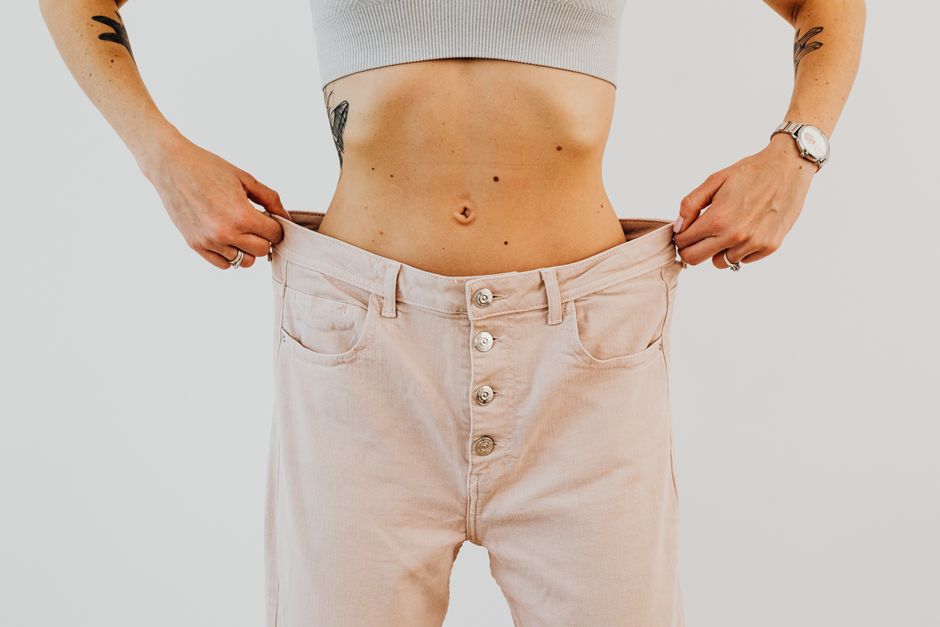
After childbirth, many women notice swelling in their feet, hands, and face that seems stuck no matter what they do. This is postpartum water retention, and for most women it fades naturally within one to two weeks, but there are safe ways to speed it up. The fastest approach combines gentle movement, smart hydration, and reducing sodium while increasing potassium-rich foods — all supported by basic physiology and postpartum care guidelines from sources like the American College of Obstetricians and Gynecologists.
What Causes Water Retention After Pregnancy?
Your body held extra fluid during pregnancy to support your baby and placenta. That fluid — roughly 50% more blood volume than usual — does not vanish the moment you give birth. Your kidneys and lymphatic system have to process and remove it.
Hormones also play a role. Progesterone and estrogen levels drop sharply after delivery, which changes how your body regulates salt and water. The shift can make tissues hold onto fluid longer than you would expect.
Another factor is the IV fluids many women receive during labor. Those fluids can take days to fully leave your system, especially if you had a C-section or needed extended IV support. This is normal, not a sign of something wrong.
Research published in the Journal of Women’s Health notes that most postpartum women lose roughly 5 to 7 pounds of fluid in the first week after birth. The remaining fluid typically clears within two weeks for vaginal deliveries and slightly longer for C-sections.
Does Drinking More Water Actually Help With Water Weight?
Yes, but the logic is counterintuitive. When you do not drink enough water, your body holds onto what it has. That is a survival mechanism. Drinking adequate water signals your kidneys that fluid is plentiful, so they can safely flush out the excess.
The National Academies of Sciences, Engineering, and Medicine recommends about 3 liters of total water per day for breastfeeding women and 2.7 liters for non-breastfeeding women. This includes water from food and other beverages. If you are breastfeeding, you need even more because milk production demands extra fluid.
Plain water is best. Herbal teas like peppermint or ginger are fine, but avoid caffeine-heavy drinks. Caffeine is a mild diuretic, which sounds helpful but can actually backfire by dehydrating you, causing your body to retain even more water.
A simple test: if your urine is pale yellow, you are hydrated enough. Dark yellow means you need more water. Do not force gallons — just sip consistently throughout the day.
What Foods and Nutrients Help Shed Postpartum Fluid?
Potassium is your main ally here. It counterbalances sodium and helps your kidneys regulate fluid. Foods like bananas, avocados, sweet potatoes, spinach, and coconut water are rich in potassium. One medium banana provides about 422 mg, roughly 9% of the daily recommended intake for adults.
Magnesium also matters. Some studies suggest magnesium supplements can reduce mild water retention, though evidence specifically for postpartum women is limited. Food sources are safer: almonds, cashews, dark chocolate, and leafy greens. Do not take magnesium supplements without asking your doctor, especially if you are breastfeeding.
Sodium reduction is the other half of the equation. Processed foods, canned soups, deli meats, and salty snacks are the main culprits. The average American diet contains around 3,400 mg of sodium per day. Dropping that to the recommended 2,300 mg or less can noticeably reduce swelling within a few days.
One non-obvious point: do not cut sodium to zero. Your body still needs some for nerve and muscle function. Extreme low-sodium diets can trigger the opposite effect — your kidneys panic and hold onto fluid even harder. Moderation, not elimination.

What Movement and Physical Strategies Work Fast?
Walking is the single most effective thing you can do. It activates the calf muscle pump, which pushes fluid from your lower extremities back toward your heart and kidneys for processing. A 15-minute slow walk after meals is enough to make a difference.
Leg elevation works for the same reason. Lying down with your feet raised above heart level for 10 to 15 minutes several times a day uses gravity to help fluid drain from your legs. This is especially useful if you notice swelling in your feet and ankles by evening.
Compression socks or stockings can provide noticeable relief within hours. They apply gentle pressure that prevents fluid from pooling in your lower legs. Look for medical-grade compression stockings with 15-20 mmHg pressure — available at most pharmacies. Avoid the cheap “support socks” that barely squeeze; they do not work.
Deep breathing exercises also help, though the effect is subtle. Slow diaphragmatic breathing stimulates the lymphatic system, which is responsible for clearing waste fluids from tissues. Five minutes of slow inhales and exhales a few times per day can support the process.
| Strategy | How It Works | Time to Notice Change |
|---|---|---|
| Walking 15 min | Activates calf pump, moves fluid upward | 1-2 days |
| Leg elevation | Gravity drains fluid from legs | Hours |
| Compression socks | Prevents fluid pooling | Same day |
| Potassium-rich foods | Balances sodium, supports kidneys | 2-3 days |
| Reduced sodium | Lowers fluid retention signal | 1-2 days |
Are Diuretics or “Water Pills” Safe for Postpartum Weight Loss?
Over-the-counter diuretics like dandelion root or uva ursi are widely claimed to help with water weight, but strong evidence for postpartum use is lacking. Some people report mild effects from dandelion supplements, but no major study has confirmed they are safe or effective for nursing mothers.
Prescription diuretics like furosemide or hydrochlorothiazide are sometimes used for severe postpartum edema under medical supervision. These are not for routine water weight. They can deplete potassium, lower blood pressure too much, and reduce milk supply in breastfeeding women. The American Academy of Family Physicians advises against using them for simple postpartum fluid retention.
A common myth is that Epsom salt baths pull water out of your body through your skin. That is not how osmosis works through intact skin. Epsom baths can relax sore muscles and reduce stress, which may indirectly help your body shed fluid, but they do not directly remove water weight.
Another myth: saunas or steam rooms will sweat out water weight fast. They will cause temporary water loss through sweat, but you will regain that weight as soon as you drink anything. More importantly, saunas can cause dehydration and dizziness in postpartum women whose bodies are still recovering from blood loss and hormonal shifts. Not recommended.
How To Lose Water Weight After Pregnancy Fast and Safely — A Realistic Timeline
Most women lose the bulk of postpartum fluid within the first 7 to 10 days. The initial drop is dramatic — often 5 to 8 pounds in week one — because your body is flushing the extra blood volume and IV fluids. After that, the remaining fluid leaves more slowly over the following week or two.
If you combine the strategies above — walking, hydration, potassium, lower sodium, and leg elevation — you can expect noticeable reduction in swelling within 48 to 72 hours. Full resolution typically takes 10 to 14 days for vaginal deliveries and up to 3 weeks for C-sections.
A word of caution: if swelling suddenly worsens, affects only one leg, or comes with chest pain or shortness of breath, call your doctor immediately. These can be signs of a blood clot or preeclampsia, both of which require urgent medical attention.
Also note that breastfeeding itself helps. The hormone oxytocin released during nursing causes uterine contractions that also help your body release retained fluid. Many women notice a significant drop in swelling after a few days of consistent breastfeeding or pumping.
If your swelling persists beyond three weeks without improvement, or if it is accompanied by high blood pressure, headaches, or vision changes, see your healthcare provider. Persistent postpartum edema can sometimes signal an underlying issue like thyroid imbalance or kidney stress.
Frequently Asked Questions
How long does water weight last after pregnancy?
Most women lose the majority of postpartum fluid within the first 7 to 14 days. C-section recovery can take up to 3 weeks.
Can I drink lemon water to lose water weight after birth?
Lemon water is fine and adds flavor to encourage hydration, but it does not directly flush water weight. The hydration itself helps.
Is it safe to take magnesium for postpartum water retention?
Food sources are safe, but supplements should only be taken after checking with your doctor, especially if you are breastfeeding.
Does breastfeeding help you lose water weight faster?
Yes. Breastfeeding releases oxytocin, which helps contract the uterus and encourages your body to release retained fluid.
