
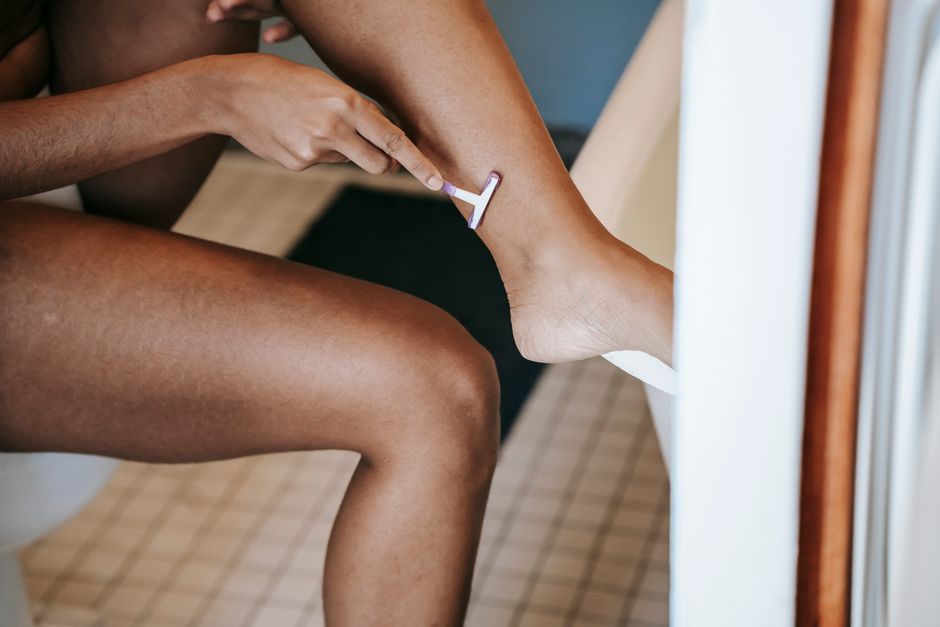
Razor bumps are the red, irritated bumps that appear after shaving, and they are not the same as razor burn. They happen when a hair curls back and grows into the skin instead of out of it. You can avoid them by changing how you prepare your skin, which direction you shave, and what you do in the days after shaving. The core strategy is simple: soften the hair, shave in the direction it grows, and never pull the skin tight.
What Actually Causes Razor Bumps?
Razor bumps are a condition called pseudofolliculitis barbae. The medical name matters because it describes what is happening. The hair follicle becomes inflamed, but not because of bacteria in most cases. The problem is mechanical.
When you cut a hair very short, the sharp tip can pierce the skin right next to the follicle. The hair keeps growing under the surface, and the body treats it like a foreign object. That triggers redness, swelling, and sometimes pus. In darker skin tones, this can also leave dark spots called post-inflammatory hyperpigmentation.
People with naturally curly or coarse hair get razor bumps more often. That is because curly hair has a natural tendency to curve back toward the skin after it is cut. Straight-haired people can get them too, but it is far less common.
How Do You Avoid Razor Bumps Before You Shave?
Preparation starts the night before, not in the shower. The single most effective thing you can do is soften the hair with warm water. Shaving dry hair is the fastest way to create a sharp, jagged tip that will re-enter the skin.
Shave at the end of a warm shower, not the beginning. Give the water at least five minutes to saturate the hair. Hair absorbs water and swells, which makes it softer and easier to cut. A clean, blunt cut is less likely to pierce the skin than a torn one.
Exfoliating before shaving helps in some people. A gentle washcloth or a mild facial scrub can lift hairs that are already trapped. Do not scrub hard. The goal is to free the hair, not to irritate the skin further.
If you have a history of severe razor bumps, some dermatologists recommend using a pre-shave oil. These oils soften the hair and add a layer of lubrication. There is limited trial data on specific brands, but the mechanism is sound and many people report fewer bumps with consistent use.
What Is the Right Way to Shave?
Shave in the direction the hair grows. This is called shaving “with the grain.” It does not give the closest shave, but it dramatically reduces the chance of razor bumps. Shaving against the grain cuts the hair below the skin surface, which makes it far more likely to grow inward.
Use a single-blade razor rather than a multi-blade one. Multi-blade razors pull the hair up before cutting it, so the hair retracts below the skin line after the cut. That is exactly what you are trying to avoid. Single-blade razors, like safety razors or some disposable models, cut the hair at the surface level.
Do not stretch the skin while shaving. When you pull the skin taut, you temporarily lift the hair above the surface. When you release, the hair retracts below the skin. Let the skin stay relaxed and natural.
Use short, light strokes. Do not press down. Let the weight of the razor do the work. Rinse the blade after every stroke. A clogged blade drags and pulls, which damages the hair shaft.
Shave less often if you can. Every other day is better than daily for people prone to bumps. The longer the hair, the less likely it is to curl back into the skin.





What Should You Do After Shaving?
Rinse your face with cold water immediately after shaving. Cold water closes the pores and reduces redness. Pat the skin dry with a clean towel. Do not rub.
Apply an alcohol-free aftershave balm. Alcohol-based splashes dry the skin and increase irritation. A gentle moisturizer or a product with aloe vera calms the skin without clogging the follicle.
Do not pick at or squeeze razor bumps. This introduces bacteria and makes the inflammation worse. It also increases the risk of permanent dark spots.
If you get a bump, leave it alone. Most small bumps resolve on their own within a few days. If you must treat it, a warm compress can help draw out the trapped hair. Sterile tweezers can gently lift the hair tip if it is visible, but do not dig for it.
Do Shaving Creams and Gels Actually Matter?
Yes, but not the way advertising suggests. The purpose of shaving cream is to keep the hair soft and provide a glide layer between the blade and the skin. Any product that does that job well is fine. There is no evidence that expensive “medical” shaving creams outperform basic ones.
Avoid products with heavy fragrances or dyes if you have sensitive skin. These ingredients can cause contact dermatitis, which looks similar to razor bumps but is actually an allergic reaction. Look for products labeled “fragrance-free” rather than “unscented.” Unscented products can still contain masking fragrances.
Shaving gel from an aerosol can is not better than cream from a tube. What matters is that you apply enough to keep the skin lubricated throughout the shave. Reapply if the area starts to feel dry.
Are There Other Ways to Remove Hair Without Razor Bumps?
If shaving continues to cause problems despite good technique, you have alternatives. Electric razors do not cut as close as blade razors, which is precisely why they cause fewer bumps. The hair stays slightly above the skin surface, so it cannot re-enter the skin as easily.
Depilatory creams dissolve the hair at the skin surface. They do not cut it, so there is no sharp tip to pierce the skin. However, these products contain strong chemicals that can burn sensitive skin. Always do a patch test on a small area first and follow the timing instructions exactly.
Laser hair removal is the most effective long-term solution. It damages the hair follicle so the hair grows back thinner or not at all. Multiple sessions are required, and the cost is significant. But for people with severe, recurring razor bumps, it is the only treatment that addresses the root cause.
Some dermatologists also prescribe topical treatments. These include prescription-strength exfoliants like glycolic acid or retinoids, which help prevent hairs from becoming trapped. There is also evidence for a medication called eflornithine cream, which slows hair growth. These require a doctor’s evaluation.
What Does Not Work for Razor Bumps?
Rubbing alcohol on the skin after shaving does not prevent razor bumps. It kills bacteria, but razor bumps are not primarily caused by bacteria. Alcohol also dries the skin, which can worsen irritation and make the problem worse.
Shaving with a dull blade is not safer. It is worse. A dull blade pulls and tears the hair, creating an uneven, jagged edge that is more likely to grow inward. Change your blade regularly. Most dermatologists recommend a new blade every five to seven shaves.
Applying toothpaste, lemon juice, or aspirin paste to razor bumps is a popular internet remedy. None of these have any evidence behind them. They can cause chemical burns or allergic reactions. Avoid them.
Some people believe that shaving every day “trains” the hair to grow straighter. This is not true. Hair growth direction and texture are determined by genetics and hormones. Shaving frequency has no effect on how hair grows back.
Frequently Asked Questions
Can razor bumps turn into infections?
Yes, but it is not common. If a bump becomes increasingly painful, fills with yellow pus, or spreads, it may be infected and needs medical attention.
Is it better to shave with or against the grain?
Shave with the grain to prevent razor bumps. Against the grain gives a closer shave but cuts the hair below the skin, which is the main cause of bumps.
How long do razor bumps last?
Most razor bumps heal within a few days to two weeks. If they persist longer or leave dark marks, a dermatologist can recommend prescription treatment.
Does a safety razor cause fewer razor bumps than cartridge razors?
Yes, for most people. A single-blade safety razor cuts the hair at skin level, while multi-blade cartridge razors pull the hair up and let it snap back below the surface.
