
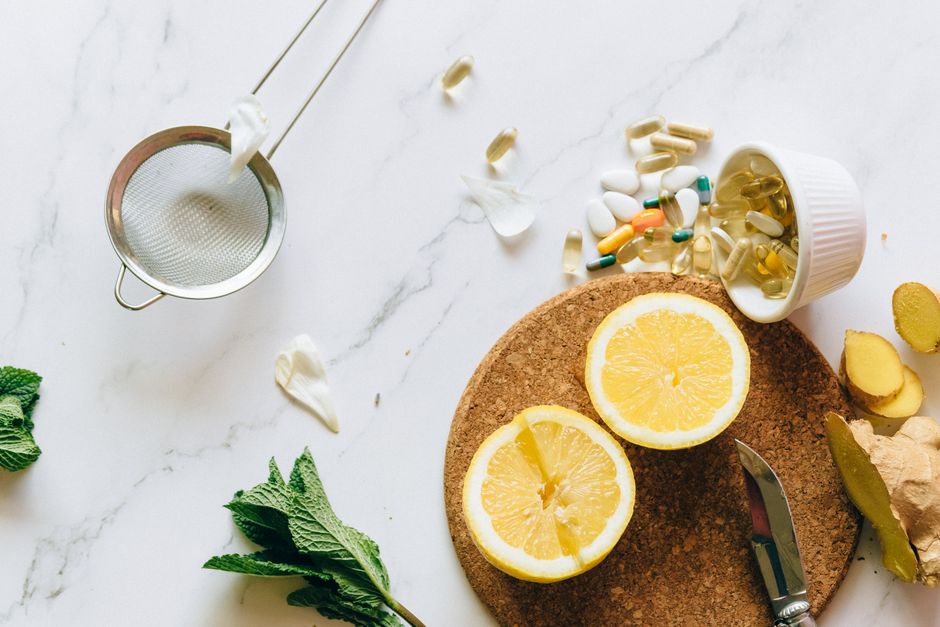
Preparing for a Platelet-Rich Plasma (PRP) procedure involves more than just showing up for your appointment. What you eat in the days before treatment can directly influence the quality of your platelets and the growth factors they release. The goal is to eat a nutrient-dense diet that supports healthy blood and circulation while avoiding foods that can increase inflammation or interfere with platelet function. Focus on lean proteins, complex carbohydrates, iron-rich foods, and proper hydration, while cutting back on alcohol, added sugars, and highly processed foods.
Why Your Diet Matters Before PRP
PRP therapy uses a sample of your own blood. A machine spins that blood to concentrate the platelets. Those platelets are then injected into the area being treated, such as a knee, shoulder, or scalp.
Platelets contain growth factors that signal your body to repair tissue. If your platelets are healthy and plentiful, the treatment has a better foundation to work from. If your blood is depleted of key nutrients, the quality of your PRP may be lower. Your diet in the week before treatment directly affects the cellular components of your blood.
Dehydration is a common problem. Blood that is too thick or too thin can make the drawing process difficult. It can also affect how well the sample separates in the centrifuge. Being well-hydrated helps ensure a smooth blood draw and a cleaner sample.
What To Eat Before PRP Treatment: The Core Foods
The best pre-PRP diet mirrors general anti-inflammatory eating patterns. No single food will guarantee better results, but a consistent pattern of good nutrition supports the process.
Lean proteins are essential. Your body needs amino acids to build the scaffolding for new tissue. Good options include chicken, turkey, fish, eggs, and plant-based proteins like lentils and beans. These foods provide the building blocks without the saturated fat found in heavily marbled red meat.
Complex carbohydrates provide steady energy and help prevent blood sugar spikes. Choose whole grains like oats, brown rice, and quinoa. These foods also contain B vitamins, which play a role in red blood cell production.
Iron-rich foods support healthy red blood cells. Spinach, kale, lean beef, and fortified cereals are solid choices. Pair plant-based iron sources with vitamin C, like a squeeze of lemon on your salad, to improve absorption.
Healthy fats from sources like avocados, olive oil, and nuts support cell membranes. Omega-3 fatty acids from fish like salmon are well studied for their anti-inflammatory effects. However, you may need to pause high-dose fish oil supplements before treatment — more on that below.
Foods To Avoid Before PRP
Certain foods and substances can work against your treatment. The main concern is anything that increases inflammation or thins your blood.
Alcohol is the most important item to eliminate. Alcohol dehydrates you and can impair platelet function. Some research suggests alcohol reduces platelet aggregation, meaning your platelets may not clump and activate as effectively. Stop drinking alcohol at least 48 hours before your procedure. Some clinicians recommend a full week.
High-dose fish oil and omega-3 supplements can also affect platelet activity. While omega-3s are healthy overall, they have a mild blood-thinning effect. Many clinicians ask patients to stop these supplements 3 to 7 days before PRP. Do not stop any medication or supplement without checking with your doctor first.
Added sugars and refined carbohydrates promote inflammation. Sugary drinks, pastries, white bread, and candy can cause blood sugar spikes. Chronic high blood sugar can impair platelet function and reduce the effectiveness of growth factors. Skip these in the days before treatment.
Fried foods and highly processed foods contain trans fats and advanced glycation end products that increase oxidative stress. These foods do not directly ruin a PRP injection, but they do not support the healing environment you want.
Medications and Supplements That Affect Platelets
Your diet is only part of the picture. Certain medications and supplements can interfere with platelet function and increase bleeding risk during the blood draw.
Nonsteroidal anti-inflammatory drugs (NSAIDs) like ibuprofen and naproxen inhibit platelet function. Many PRP providers ask patients to stop these medications about a week before treatment. Acetaminophen is often allowed because it does not have the same effect on platelets, but confirm this with your provider.
Vitamin E in high doses can also thin the blood. Some clinicians recommend stopping high-dose vitamin E supplements before PRP. Garlic, ginger, and ginkgo biloba supplements may have mild antiplatelet effects as well.
Do not stop prescription blood thinners like warfarin or apixaban on your own. This requires a conversation with the doctor who prescribed them and the doctor performing your PRP.
Always disclose your complete supplement list to your provider. Many people do not think of supplements as medications, but they can have real physiological effects.
Hydration: The Often Overlooked Step
Water intake matters more than most people realize before a blood-based procedure. Your blood is roughly half plasma, and plasma is mostly water.
Aim to drink plenty of water in the 24 hours before your appointment. A good rule of thumb is to drink water consistently throughout the day, not just chug a glass right before you leave. Dark urine is a sign you are behind on hydration. Pale yellow urine suggests you are well hydrated.
Avoid excessive caffeine on the morning of your procedure. Caffeine is a mild diuretic and can contribute to dehydration. One cup of coffee is likely fine for most people, but do not overdo it.
What To Eat The Day Of PRP
On the day of your procedure, eat a light meal about 2 to 3 hours before your appointment. You do not want to be fasting, but you also do not want a heavy meal that makes you sluggish.
Good options include oatmeal with berries, a scrambled egg with whole grain toast, or a chicken and vegetable bowl. These meals provide steady energy without causing blood sugar swings.
A light meal also helps prevent nausea. Some people feel lightheaded during a blood draw, especially if they are anxious. Having food in your stomach helps stabilize your blood sugar and blood pressure.
Frequently Asked Questions
How long before PRP should I stop drinking alcohol?
Stop alcohol at least 48 hours before your procedure, though many clinicians recommend a full week. Alcohol can dehydrate you and impair platelet function.
Can I take ibuprofen before PRP treatment?
Most providers ask you to stop ibuprofen and other NSAIDs about one week before treatment. These drugs interfere with platelet function and can reduce the effectiveness of the injection.
Is coffee allowed before a PRP procedure?
A small amount of coffee is generally fine, but avoid excessive caffeine. Caffeine can contribute to dehydration, which makes the blood draw more difficult.
Should I eat breakfast before my PRP appointment?
Yes, eat a light meal about 2 to 3 hours before your procedure. A balanced meal helps prevent lightheadedness during the blood draw and supports stable blood sugar.
Preparing for PRP is about giving your body the best raw materials to work with. A few days of clean eating, good hydration, and avoiding alcohol and unnecessary supplements can make a meaningful difference in the quality of your sample. If you have specific questions about your medications or supplements, ask your provider directly before your appointment.
