
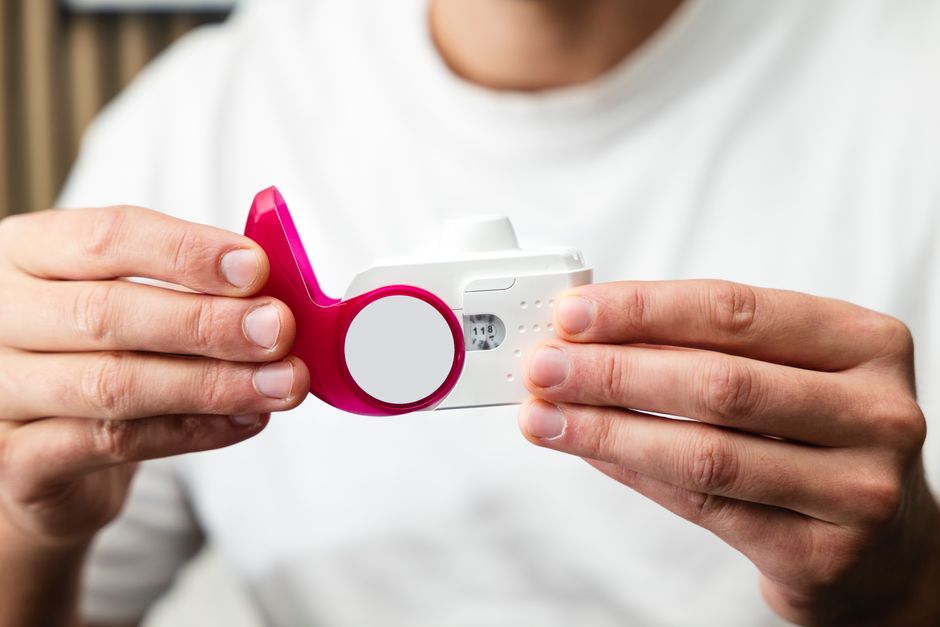
If you are short of breath and your doctor suspects COPD, a spirometry test is the first and most important step. This simple breathing test measures how much air you can blow out and how fast. But a full diagnosis involves more than one test. Doctors use a combination of breathing tests, imaging scans, and symptom reviews to confirm COPD and rule out other conditions.
What Is Spirometry and How Does It Work?
Spirometry is the gold standard for diagnosing COPD. No other test can confirm the condition on its own. The test measures two key numbers: how much air you exhale in one second (FEV1) and the total amount of air you blow out (FVC).
You will breathe into a tube connected to a machine called a spirometer. The test requires maximum effort. Your doctor or a technician will ask you to take a deep breath and blast the air out as hard and fast as you can. You will repeat this several times to get the best result.
The diagnosis is confirmed if your FEV1/FVC ratio is below 70 percent after using a bronchodilator. A bronchodilator is an inhaled medication that opens your airways. The test is done before and after this medication to see if your airflow improves.
Some people find the test exhausting. That is normal. You may feel dizzy or cough afterward. These effects pass quickly.
What Do Spirometry Results Mean?
Your FEV1 number does more than confirm COPD. It also tells your doctor how severe the disease is. The severity is based on your FEV1 as a percentage of what is normal for someone your age, height, and sex.
Mild COPD means your FEV1 is 80 percent or more of the predicted normal value. Moderate COPD falls between 50 and 79 percent. Severe COPD is 30 to 49 percent. Very severe COPD is below 30 percent.
These numbers guide treatment decisions. Someone with mild COPD may only need a rescue inhaler. Someone with severe disease may need daily maintenance medications or oxygen therapy.
One important point: spirometry cannot be faked or “passed” by effort alone. The machine checks for consistency. If your results vary too much between attempts, the technician will know and repeat the test.
What Other Breathing Tests Are Used?
Spirometry is the main test, but it is not the only one. Your doctor may order additional tests to measure how well your lungs exchange oxygen and carbon dioxide.
A lung volume test measures the total amount of air your lungs can hold. In COPD, air gets trapped in the lungs because the airways collapse during exhalation. This test can show how much air is trapped and how much the lungs have hyperinflated. Hyperinflation means the lungs are overstretched, like a balloon that has been blown up too many times.
A diffusing capacity test measures how well oxygen moves from your lungs into your blood. This test can help distinguish COPD from other lung conditions like pulmonary fibrosis. In COPD, the diffusing capacity is often reduced, but the pattern differs from other diseases.
Pulse oximetry is a simple test that clips onto your finger and measures your blood oxygen level. It is painless and takes seconds. A normal reading is 95 to 100 percent. Readings below 90 percent may indicate the need for oxygen therapy.



Why Do Doctors Order a Chest X-Ray or CT Scan?
A chest X-ray is standard for anyone suspected of having COPD. The X-ray itself does not diagnose COPD. But it rules out other problems that cause similar symptoms, such as pneumonia, lung cancer, or heart failure.
In advanced COPD, a chest X-ray may show hyperinflated lungs or a flattened diaphragm. These are signs of air trapping. But in early COPD, the X-ray can look completely normal.
A CT scan provides much more detail. It creates cross-sectional images of your lungs. A CT scan can show emphysema, which is damage to the air sacs in the lungs. It can also detect bronchiectasis, a condition where the airways are permanently widened and scarred.
CT scans are not needed for everyone with COPD. Your doctor may order one if your symptoms are unusual, if you have frequent flare-ups, or if the diagnosis is unclear. Some doctors also use CT scans to screen for lung cancer in people with a significant smoking history.
What Blood Tests Help Diagnose COPD?
Blood tests cannot diagnose COPD directly. But they help rule out other conditions and check for complications.
A complete blood count can check for anemia, which causes fatigue and shortness of breath. It can also detect polycythemia, a condition where the body makes too many red blood cells. This happens in advanced COPD as the body tries to compensate for low oxygen levels.
An arterial blood gas test measures oxygen and carbon dioxide levels in your blood. This test requires a needle in your wrist artery. It is more invasive than a finger clip but gives a more accurate picture of how well your lungs are working. This test is typically reserved for people with moderate to severe COPD.
Another blood test measures alpha-1 antitrypsin. This is a protein that protects the lungs from damage. Some people have a genetic deficiency of this protein, which causes COPD even in non-smokers. The World Health Organization recommends that everyone diagnosed with COPD be tested for this deficiency at least once.
How Do Doctors Rule Out Other Conditions?
COPD symptoms overlap with several other conditions. Shortness of breath, coughing, and wheezing can come from asthma, heart failure, or even acid reflux. The testing process is designed to sort through these possibilities.
Asthma and COPD share many features. The key difference is that asthma is often reversible. A person with asthma may have normal spirometry between attacks. In COPD, the airflow limitation is persistent. However, some people have both conditions, which is called asthma-COPD overlap syndrome.
Heart failure can cause fluid to build up in the lungs, leading to shortness of breath. A chest X-ray can often distinguish this from COPD. An echocardiogram, which is an ultrasound of the heart, may be ordered if heart problems are suspected.
Your doctor will also ask about your history. A smoking history of more than 10 pack-years is a major risk factor. A pack-year is calculated by multiplying the number of packs smoked per day by the number of years smoked. Occupational exposure to dust, chemicals, or fumes also increases risk.
What Is the Full Diagnostic Process?
The diagnostic process usually follows a clear sequence. It starts with a detailed medical history and physical exam. Your doctor will listen to your lungs with a stethoscope and ask about your symptoms, smoking history, and exposure to lung irritants.
Next comes spirometry. This is the defining test. If spirometry confirms airflow obstruction, your doctor will likely order a chest X-ray and basic blood work. Depending on the results, additional tests like a CT scan or lung volume test may follow.
The entire process can be completed in a few weeks. Some tests, like spirometry, take less than an hour. Others, like a CT scan, take about 15 minutes. The waiting time is usually for scheduling, not for the tests themselves.
Early diagnosis matters. COPD is progressive, meaning it gets worse over time. But treatment can slow the progression and improve quality of life. The earlier you are diagnosed, the sooner you can start managing the disease.
Can Home Spirometry Devices Replace Clinical Testing?
Portable spirometry devices are available for home use. Some people with COPD use them to track their lung function over time. These devices can be useful for monitoring, but they do not replace a clinical diagnosis.
Clinical spirometers are calibrated and operated by trained professionals. Home devices may be less accurate and require proper technique to get reliable readings. A single home reading should never be used to diagnose or adjust treatment.
If you already have a COPD diagnosis, your doctor may recommend a home device to track changes between visits. This can help catch flare-ups early. But the device is a supplement to medical care, not a replacement.
Frequently Asked Questions
How long does a spirometry test take?
A spirometry test takes about 15 to 30 minutes from start to finish. The actual breathing maneuvers take only a few minutes, but you will need to rest between attempts.
Does spirometry hurt?
No, spirometry is not painful. You may feel short of breath or dizzy during the test, but these feelings pass quickly once you stop blowing.
Can COPD be diagnosed without spirometry?
No. Spirometry is required to confirm a COPD diagnosis. Symptoms and imaging can suggest the disease, but only spirometry can confirm the airflow obstruction.
Do I need to stop my inhalers before spirometry?
Your doctor will tell you whether to hold your medications before the test. Short-acting bronchodilators are usually paused for a few hours, but long-acting medications may need to be held for longer.
