
There is no blood test, brain scan, or single questionnaire that diagnoses ADHD. Instead, clinicians gather information from several sources — parents, teachers, and the child — and compare that information against established diagnostic criteria. The process is structured and takes time, and that is deliberate. ADHD symptoms overlap with many other conditions, so a careful evaluation is designed to rule those out before reaching a diagnosis.
How Do They Test for ADHD in Children?
An ADHD evaluation is a clinical assessment, not a lab test. A qualified clinician — typically a pediatrician, child psychologist, or child psychiatrist — builds a picture of the child’s behavior across different settings and over time. The diagnosis rests on patterns, not on a single moment of observation.
The core of the assessment is comparing the child’s symptoms against the diagnostic criteria published by the American Psychiatric Association in the Diagnostic and Statistical Manual of Mental Disorders, currently the fifth edition (DSM-5). Those criteria are specific, and a clinician applies them systematically rather than relying on a general impression.
For a child to meet the criteria for ADHD, several conditions must be true at once:
- Symptoms of inattention, hyperactivity-impulsivity, or both are present.
- Several symptoms were present before age 12.
- Symptoms appear in two or more settings — for example, at home and at school.
- Symptoms clearly interfere with functioning in school, social life, or daily tasks.
- Symptoms are not better explained by another condition.
Notice what the criteria do not say. They do not describe a child who is simply energetic or easily bored. They describe a persistent pattern that causes real impairment. That distinction matters, and a good evaluation is built around it.
What Information Does the Evaluation Collect?
No clinician can diagnose ADHD from a short office visit. The symptoms that define ADHD — trouble sustaining attention, difficulty organizing tasks, restlessness, interrupting — are most visible in the child’s everyday environments, not in a doctor’s office. So the evaluation collects information from the people who see the child most.
Parents or caregivers provide a detailed history. This includes when symptoms first appeared, how they show up at home, and how they affect daily routines. A developmental history matters too: pregnancy and birth history, early milestones, and any prior concerns from teachers or doctors.
Teachers and school staff are usually asked for input, often through standardized rating scales. This is one of the most important parts of the process. A child who seems fine at school but struggles intensely at home — or the reverse — tells the clinician something different than a child who struggles everywhere. The DSM-5 requires symptoms across more than one setting, so information from school is not optional in most thorough evaluations.
Standardized behavior rating scales are common tools. They ask parents and teachers to rate specific behaviors on a defined scale. These scales are useful for gathering consistent information, but they are screening and supporting tools — they do not diagnose ADHD on their own. A high score on a rating scale is a signal to look closer, not a verdict.
The clinician also observes the child directly, though a single office observation is limited. Children with ADHD can hold attention well in a novel, one-on-one setting. That is why observation alone is never enough.
Why Does the Evaluation Rule Out Other Conditions?
Many conditions produce symptoms that look like ADHD. This is the single most important reason a proper evaluation takes time. If a clinician jumps to ADHD without checking alternatives, the real problem can go untreated.
Conditions that can mimic ADHD include:
- Anxiety disorders — worry and tension can make a child restless and distractible.
- Depression — low mood often shows up as poor concentration and low motivation.
- Sleep problems — insufficient or disrupted sleep can produce inattention and irritability that look like ADHD.
- Learning disorders — a child struggling with reading or math may appear inattentive in class.
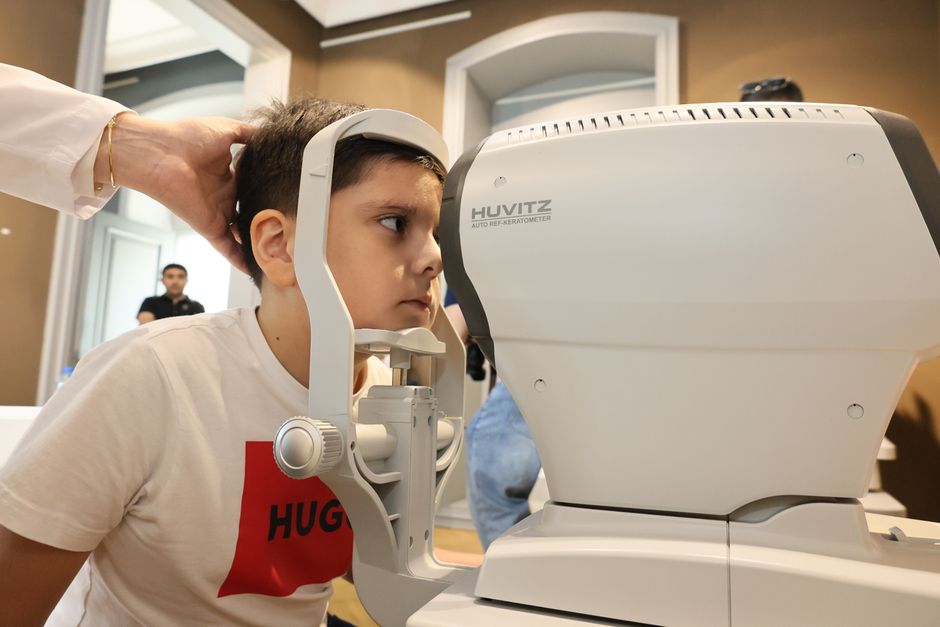
- Hearing or vision problems — a child who cannot see the board or hear the teacher may seem unfocused.
- Trauma or stress — difficult life circumstances can affect attention and behavior.
Some of these can coexist with ADHD, which complicates the picture. A child can have both ADHD and anxiety, for example. The clinician’s job is to sort out what is primary and what is secondary, because that changes what helps.
There is a useful clarification here that many parents do not hear. The evaluation is not just looking for ADHD — it is looking for the best explanation for the child’s difficulties. Sometimes that explanation is ADHD. Sometimes it is something else. Sometimes it is more than one thing.





What Happens During the Assessment Process?
A thorough ADHD evaluation usually unfolds over more than one appointment. There is no standard national protocol that every clinic follows, so the exact steps vary. But most careful evaluations include similar elements.
The process typically begins with a conversation about concerns — often initiated by a parent or a teacher. The clinician then takes a detailed history and gathers rating scales from home and school. In many cases, the clinician reviews school records and any prior evaluations.
Some children undergo additional testing, such as cognitive or academic assessment, especially when a learning disorder is suspected. Psychological testing can clarify how a child thinks and learns, and it can help separate ADHD from other issues. Not every child needs this, and it is not required to diagnose ADHD.
At the end, the clinician integrates all the information and discusses findings with the family. If ADHD is diagnosed, the conversation usually turns to what comes next — which is a separate discussion from the diagnosis itself. A diagnosis describes a pattern; it does not dictate a single treatment path.
Who Is Qualified to Diagnose ADHD?
Several types of professionals can diagnose ADHD in children. Pediatricians and family doctors often handle initial evaluations, especially for straightforward cases. Child psychologists and child psychiatrists are also qualified, and they are often involved when the picture is complex or when other conditions may be present.
What matters most is not the specific title but whether the clinician follows a thorough process. A diagnosis made from a brief conversation and a single questionnaire, without input from school or a check for other conditions, is not a complete evaluation. Parents can reasonably ask how the clinician gathers information and what steps are taken to rule out alternatives.
The evidence base for ADHD diagnosis is well established. The DSM-5 criteria are widely used and reflect decades of clinical research. What varies is how carefully individual clinicians apply them — and that variation is worth paying attention to.
What Does the Evidence Say About Diagnosis Accuracy?
ADHD is one of the most studied childhood conditions, and the diagnostic criteria are grounded in substantial research. That does not mean diagnosis is simple. It means the framework is well tested.
One honest limitation is worth stating. There is no objective biological marker for ADHD — no test that confirms it the way a blood glucose test confirms diabetes. Diagnosis relies on clinical judgment applied to reported behavior. This is not a weakness unique to ADHD; many psychiatric and developmental conditions are diagnosed the same way. But it does mean the quality of the evaluation depends heavily on how thoroughly information is gathered.
Some research suggests that diagnosis rates vary by region, by clinician, and by how symptoms are reported. That variation is a real subject of study and debate. It does not mean ADHD is not real — the condition is well documented — but it does underline why a careful, multi-source evaluation matters more than a quick label.
For parents, the practical takeaway is straightforward. A good evaluation is thorough, gathers information from more than one setting, and takes the time to rule out other explanations. If those elements are missing, it is reasonable to seek a second opinion.
Frequently Asked Questions
Can ADHD be diagnosed with a blood test?
No. There is no blood test, brain scan, or lab test that diagnoses ADHD. Diagnosis is based on a clinical assessment of symptoms and how they affect daily life.
At what age can ADHD be diagnosed?
ADHD is often diagnosed in school-age children, though symptoms must have been present before age 12 to meet the DSM-5 criteria. Diagnosis in very young children is more difficult and is approached with extra caution.
How long does an ADHD evaluation take?
There is no fixed timeline, and it varies by clinic and by how complex the case is. A thorough evaluation usually involves more than one appointment and input from both home and school.
Can a teacher diagnose ADHD?
No. Teachers provide valuable information through rating scales and observations, but only a qualified clinician can make the diagnosis.
