
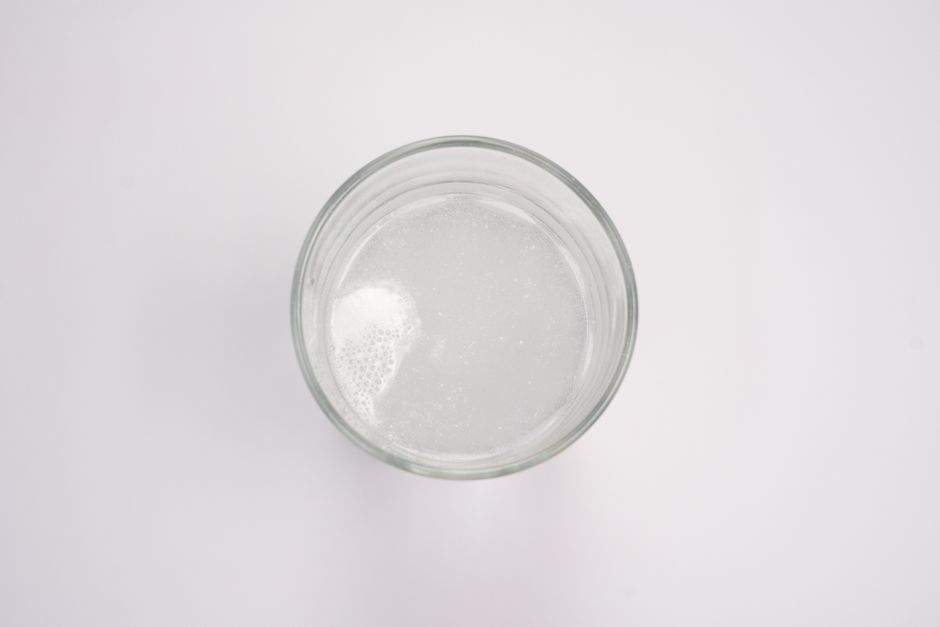
Bubbles in urine are usually harmless and often come from the speed and force of urination, especially when your bladder is very full. The fix is rarely a treatment — it is usually about hydration, toilet habits, and knowing when foamy urine is worth a doctor’s look. Most people who notice occasional bubbles do not have a health problem. The key is telling normal aeration apart from persistent foam that signals excess protein in the urine.
Why Does Urine Sometimes Have Bubbles?
Urine is mostly water with dissolved waste products. When it hits the water in the toilet bowl at speed, it traps air and creates bubbles. That is simple physics, not a sign of disease.
Concentration matters too. When you are dehydrated, urine becomes more concentrated, and concentrated urine tends to bubble and foam more readily than dilute urine. A full bladder that empties forcefully, a fast stream, and the height between your body and the bowl water all increase turbulence and bubbles.
There is a normal range here. Occasional bubbles that break apart within a minute or two are ordinary. The distinction that matters clinically is between bubbles that pop quickly and a persistent, thick foam that stays on the surface — the kind sometimes compared to beer foam or soapy water. That second pattern is the one worth paying attention to.
How To Get Rid Of Bubbles In Urine
For the common, harmless kind of bubbles, a few simple changes usually reduce them. None of these treat a medical condition, and none are meant to. They address the everyday causes.
- Drink more water. Mild dehydration concentrates urine and makes it foam more. Spreading fluid intake through the day keeps urine lighter in color and less likely to bubble.
- Do not hold your bladder too long. A very full bladder produces a fast, forceful stream. Emptying a bit sooner reduces the force.
- Slow the stream. For men, sitting to urinate or reducing the force can cut down splash and bubbles. It sounds trivial because it is — but it works for the mechanical causes.
- Check your toilet products. Some cleaning products and bowl fresheners contain surfactants that foam when they meet urine. Rinsing the bowl or switching products can help.
- Look at your diet and supplements. Very high protein intake and some supplements can change urine. If bubbles started after a diet change, that is worth noting.
These steps help with aeration and concentration. They will not clear foam caused by protein leaking into the urine, because that foam comes from a different source. If bubbles persist despite these changes, that is the signal to look deeper rather than try harder at home remedies.
When Do Bubbles In Urine Mean Something Is Wrong?
Persistent, thick foam that does not break up is the pattern linked to proteinuria — protein in the urine. This is the finding that deserves medical attention, and it is distinct from ordinary bubbles.
Protein in urine can come from several sources. It can be temporary and benign, such as after intense exercise, during a fever, or from standing for long periods. It can also reflect kidney problems, diabetes-related kidney damage, or, less often, other conditions. The presence of foam alone does not tell you which. Only a urine test can.
See a doctor if you notice any of the following:
- Foamy urine that is persistent and does not clear with better hydration
- Swelling in your legs, ankles, feet, or around your eyes
- Urine that looks cloudy, bloody, or unusually dark
- Pain or burning when you urinate
- Changes in how often you urinate, or a weak stream
- A known history of diabetes, high blood pressure, or kidney disease
Swelling and foamy urine together are a more meaningful combination than foam on its own, because swelling can reflect fluid retention related to kidney function. That pairing is a reason to get checked promptly rather than wait.





How Is Protein In Urine Actually Tested?
A urine test is the way to settle the question. A simple dipstick test at a clinic can detect protein, and it is quick and inexpensive. Dipsticks can produce false positives, though, so an abnormal result is usually confirmed with a more precise measurement.
If protein is confirmed, a doctor may measure the protein-to-creatinine ratio in a urine sample, which estimates how much protein is being lost over a day without needing a full 24-hour collection. Blood tests of kidney function, such as creatinine and estimated glomerular filtration rate, are commonly added. These are standard clinical tools, not experimental ones.
One useful clarification: a single positive dipstick is not a diagnosis. Transient protein in the urine is common, and clinicians often repeat the test — sometimes with a first-morning sample — before drawing conclusions. If you get one abnormal result, that alone does not confirm kidney disease.
What Causes Foamy Urine Besides Protein?
Protein is the cause most worth ruling out, but it is not the only one. Several other factors can produce foamy or bubbly urine without any kidney problem.
Concentration is the most common. First-morning urine is typically the most concentrated of the day, which is why foam is often noticed then. Speed of urination and a full bladder are mechanical causes. Toilet bowl chemistry — cleaning residue, hard water minerals, or bowl fresheners — can create foam that has nothing to do with your body.
Less commonly, a urinary tract infection or other condition affecting the urinary tract can change the appearance of urine. Some medications and supplements can also alter it. The pattern to remember is that foam which varies with hydration and time of day is more likely benign, while foam that is consistently present regardless of how much you drink is more worth investigating.
Does Foamy Urine Always Mean Kidney Disease?
No. Most people who notice bubbles do not have kidney disease. This is one of the most common worries around this topic, and the evidence does not support treating every bubble as a warning sign.
That said, foamy urine is a recognized reason to check kidney function, particularly in people with risk factors. Diabetes and high blood pressure are the two leading causes of chronic kidney disease, and both can damage the kidneys slowly without obvious symptoms early on. For someone with either condition, persistent foam is worth mentioning at a routine visit rather than dismissing.
The evidence does not support self-diagnosing in either direction — neither assuming foam is harmless nor assuming it means kidney failure. A urine test resolves the uncertainty quickly and cheaply. That is the honest position: the symptom is common, usually benign, and easy to check when it is not.
| Type of bubbles | Likely cause | What to do |
|---|---|---|
| Few bubbles that pop within a minute or two | Aeration, speed of stream, full bladder | No action needed |
| More foam when urine is dark or concentrated | Mild dehydration | Drink more water through the day |
| Foam that varies by time of day or hydration | Concentration, usually benign | Monitor; mention at next checkup |
| Persistent thick foam that does not clear | Possible protein in urine | Ask a doctor for a urine test |
| Foam with swelling, cloudy or bloody urine, or pain | Needs evaluation | See a doctor promptly |
What About Bubbles In Urine During Pregnancy?
Bubbles in urine during pregnancy are common and usually have the same ordinary causes. Pregnancy does raise the stakes on one specific concern, though: protein in the urine can be a sign of preeclampsia, a serious condition involving high blood pressure during pregnancy.
Because of that, prenatal care includes routine urine checks for protein. If you are pregnant and notice persistent foamy urine, new swelling, or headaches, contact your obstetric provider rather than waiting for your next appointment. This is not a situation to manage with home remedies. Established prenatal guidance treats these symptoms as reasons for prompt evaluation, and that guidance should be followed.
Can You Prevent Bubbles In Urine?
You can reduce the harmless kind by staying well hydrated and not letting your bladder overfill. Beyond that, there is no proven way to prevent foam caused by protein in the urine, because that depends on the underlying condition.
What you can do is protect kidney health in general. Keeping blood pressure and blood sugar in recommended ranges matters, especially if you have diabetes or hypertension. Avoiding unnecessary long-term use of medications that can stress the kidneys — such as certain pain relievers taken regularly — is a conversation worth having with a doctor or pharmacist rather than a decision to make alone.
Routine checkups that include a urine test are the practical safeguard. Many kidney problems are silent early on, and a simple test catches protein before symptoms appear. That is more useful than watching the toilet bowl for clues.
Frequently Asked Questions
Are bubbles in urine a sign of kidney disease?
Usually not. Occasional bubbles are normal, but persistent thick foam that does not clear can be a sign of protein in the urine, which a simple urine test can check.
How do I stop my urine from being foamy?
Drinking more water and not holding your bladder too long reduce the common mechanical causes. If foam persists despite good hydration, ask a doctor for a urine test.
Can dehydration cause bubbles in urine?
Yes. Concentrated urine from mild dehydration tends to foam more, and drinking more water through the day usually reduces it.
When should I worry about foamy urine?
Worry is the wrong word, but persistent foam — especially with swelling, cloudy or bloody urine, or pain — is worth a prompt medical check.
