
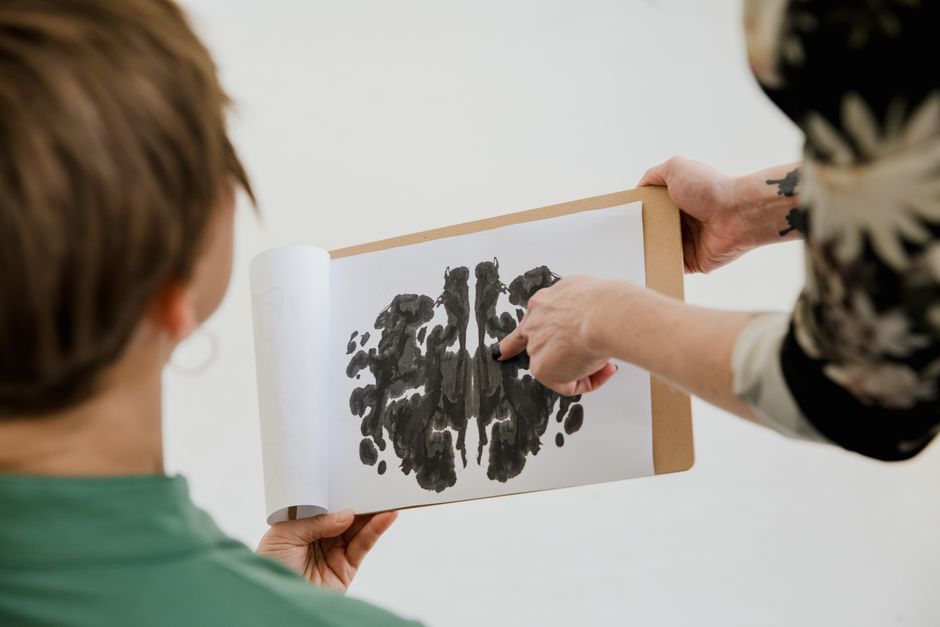
Psychologists diagnose mental disorders using a systematic process. They rely on the Diagnostic and Statistical Manual of Mental Disorders (DSM-5) to match symptoms with established criteria. A thorough clinical interview and sometimes questionnaires or tests help them gather the information needed for an accurate diagnosis.
How Do Psychologists Diagnose Mental Disorders?
Diagnosis starts with a referral or a person seeking help on their own. The psychologist meets with the individual for a clinical interview. This interview covers current symptoms, personal history, family background, and how the person functions day to day. The psychologist then compares the reported symptoms to the criteria in the DSM-5. If the symptoms meet the required number and duration for a specific disorder, the psychologist can assign that diagnosis. The process is not automatic. It requires clinical judgment and ruling out other possible causes.
What Is the DSM-5 and Why Do Psychologists Use It?
The DSM-5 is the standard manual used by mental health professionals in the United States. It lists every recognized mental disorder along with specific symptoms, duration, and other criteria needed for diagnosis. Psychologists use it because it provides a common language. A diagnosis from one psychologist means the same thing to another. The manual is updated periodically as research evolves. The current version is the DSM-5-TR, published in 2022.
The DSM-5 does not explain causes. It is a classification system. It helps clinicians organize symptoms into categories. This is useful for treatment planning and research. Critics note that it may overemphasize symptoms and underemphasize context. Still, it remains the most widely used tool in clinical practice.
How Do Psychologists Conduct a Clinical Interview?
The clinical interview is the core of the diagnostic process. It usually lasts 60 to 90 minutes. The psychologist asks open-ended questions to learn about the person’s concerns. They ask about when symptoms started, how often they occur, and how severe they are. They also ask about medical history, medications, substance use, and family mental health.
Psychologists look for patterns. They ask about mood, thinking, sleep, appetite, energy, and social relationships. They may also ask about traumatic events or stressors. The interview is not a checklist. It is a conversation designed to understand the whole person. The psychologist uses their training to decide which additional questions or assessment tools might help.





What Assessment Tools Do Psychologists Use?
Many psychologists use standardized questionnaires to support the interview. These are called psychological assessments or tests. They measure symptoms of depression, anxiety, personality traits, or cognitive function. Examples include the Beck Depression Inventory, the Generalized Anxiety Disorder 7-item scale (GAD-7), and the Minnesota Multiphasic Personality Inventory (MMPI).
These tools are not stand-alone diagnoses. They are screens or measures of severity. They provide data that the psychologist considers alongside the interview. Some tests are used for specific purposes, such as assessing attention in ADHD or detecting memory problems in older adults. Psychologists choose tests based on the person’s symptoms and the questions that need answers.
How Do Psychologists Make a Differential Diagnosis?
Differential diagnosis means ruling out other conditions that could explain the symptoms. Many mental disorders share overlapping symptoms. For example, fatigue and difficulty concentrating occur in both depression and anxiety. A psychologist must decide which disorder best fits the full picture.
They do this by systematically comparing symptoms to criteria for several possible disorders. They also consider medical causes. A thyroid problem, vitamin deficiency, or medication side effect can mimic a mental disorder. Psychologists often ask whether the person has seen a doctor for a physical exam. If a medical cause is suspected, they request a referral. Differential diagnosis is a thoughtful process. It sometimes takes multiple sessions to get it right.
How Do Cultural Factors Affect Diagnosis?
Culture shapes how people experience and describe symptoms. A psychologist must account for this to avoid misdiagnosis. For example, in some cultures, anxiety is expressed through physical complaints like headaches or stomachaches rather than emotional distress. The DSM-5 includes a cultural formulation interview to help clinicians understand these differences.
Psychologists are trained to ask about the person’s cultural background, beliefs about illness, and support systems. They do not assume that symptoms mean the same thing in every culture. Diagnosis is valid only when it fits the person’s experience within their cultural context. Misdiagnosis can occur when cultural differences are overlooked.
What Are the Limitations of Mental Health Diagnosis?
Diagnosis is not perfect. Two psychologists may sometimes disagree, especially for complex cases. The DSM-5 categories are based on clusters of symptoms, not on biological tests. There is no blood test or brain scan for most mental disorders. This means diagnosis relies heavily on self-report and clinician judgment.
Another limitation is that labels can carry stigma. A diagnosis can affect a person’s self-image or how others see them. Some people worry that a label will follow them. Psychologists are aware of this and discuss the meaning of a diagnosis with the person. A good diagnosis leads to effective treatment. A rushed or incomplete diagnosis can lead to harm.
Can You Get a Diagnosis Without an In-Person Visit?
Yes, under certain conditions. Telehealth has become common, especially since 2020. Psychologists can conduct clinical interviews and administer some questionnaires through video sessions. However, they must follow the same standards of care. An online diagnosis is only valid if the psychologist can gather enough information. In some cases, an in-person visit is still recommended, especially if a physical exam is needed to rule out medical causes.
Frequently Asked Questions
Can a psychologist diagnose me in one session?
Sometimes, but often not. Simple cases with clear symptoms may be diagnosed in one session. More complex situations require multiple sessions to gather enough information and rule out other conditions.
Can a mental health diagnosis change over time?
Yes. Symptoms can change, and new information may emerge. A psychologist can revise a diagnosis if it no longer fits the person’s current condition. Reassessment is a normal part of ongoing care.
Is a diagnosis required to receive therapy?
Not always. Some people seek therapy for life challenges or personal growth and do not meet criteria for a disorder. However, insurance companies usually require a diagnosis to cover the cost of treatment.
Can I ask for a second opinion on a diagnosis?
Absolutely. Getting a second opinion is a reasonable step, especially for serious or unclear diagnoses. A thorough psychologist will support your decision and can provide records to another professional.
