
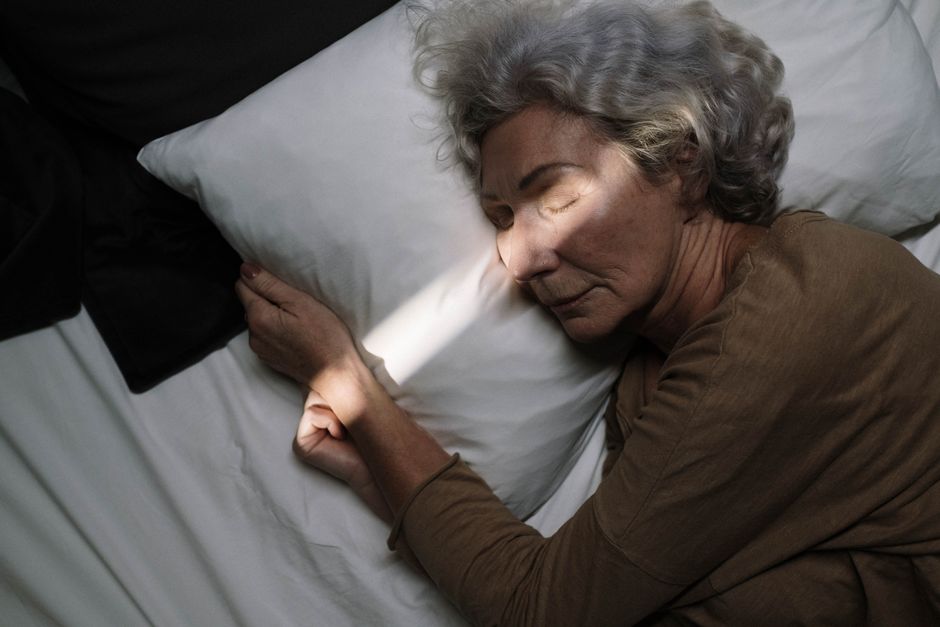
A sleep study, also called a polysomnogram, records your brain waves, breathing, heart rate, and body movements while you sleep. It is used to diagnose sleep disorders such as sleep apnea, narcolepsy, periodic limb movement disorder, and REM sleep behavior disorder. The test helps doctors find the cause of excessive daytime sleepiness, loud snoring, or unusual behaviors during sleep.
What Is a Sleep Study?
A sleep study is an overnight test done in a sleep lab or at home. Sensors placed on your scalp, face, chest, and legs track your sleep stages, breathing patterns, oxygen levels, and muscle activity. A technician monitors the data from another room. The results show how well you sleep and whether any disruptions are occurring.
Home sleep tests are simpler and mainly used to rule out sleep apnea. Full in-lab studies provide more detailed information and are needed for other conditions.
What Conditions Can a Sleep Study Diagnose?
A sleep study can diagnose several common and rare sleep disorders. The most frequent is obstructive sleep apnea, where your airway repeatedly closes during sleep. It also diagnoses central sleep apnea, a problem with the brain’s breathing control. Narcolepsy, a condition of sudden sleep attacks, is diagnosed with a sleep study followed by a multiple sleep latency test. Periodic limb movement disorder, where legs twitch involuntarily during sleep, and REM sleep behavior disorder, where you act out dreams, are also identified through polysomnography.
Sleep Apnea
Sleep apnea is the most common reason for a sleep study. Obstructive sleep apnea happens when throat muscles relax and block the airway. The study measures how many times breathing stops (apneas) or becomes shallow (hypopneas) per hour of sleep. This is called the apnea-hypopnea index (AHI). An AHI of 5 or more confirms sleep apnea, with severity based on the number. Central sleep apnea shows pauses in breathing without any physical blockage.
Treatment includes CPAP therapy, oral appliances, or surgery. Untreated sleep apnea raises the risk of high blood pressure, heart disease, and stroke.




Narcolepsy
Narcolepsy causes overwhelming daytime sleepiness and sudden muscle weakness (cataplexy). A standard overnight sleep study rules out other causes of sleepiness. The next day, a multiple sleep latency test (MSLT) is done. The MSLT measures how quickly you fall asleep during five naps. Falling asleep in less than 8 minutes on average and entering REM sleep during at least two naps strongly suggests narcolepsy.
Some research indicates that hypocretin levels in spinal fluid can confirm the diagnosis, but that test is not part of a standard sleep study.
Periodic Limb Movement Disorder
Periodic limb movement disorder involves repeated leg jerks during sleep that you are not aware of. The sleep study records leg muscle activity. If the movements occur more than 15 times per hour and they disrupt sleep, the diagnosis is made. This condition often occurs with restless legs syndrome, but the two are not the same. Restless legs syndrome is diagnosed based on symptoms, not a sleep study.
Treatment may include medications that affect dopamine levels, though evidence of long-term benefit is limited.
REM Sleep Behavior Disorder
REM sleep behavior disorder (RBD) causes people to physically act out vivid dreams. During normal REM sleep, muscles are temporarily paralyzed. In RBD, that paralysis is missing. The sleep study shows elevated muscle activity during REM sleep and often captures the movements. RBD is important because it can be an early sign of Parkinson’s disease or other neurodegenerative conditions. Some studies suggest that up to 80% of people with RBD later develop a synucleinopathy such as Parkinson’s or dementia with Lewy bodies.
Other Conditions a Sleep Study May Identify
Parasomnias like sleepwalking, night terrors, and confusional arousals can be captured on a sleep study, especially if they occur in the lab. However, most parasomnias are diagnosed clinically. Sleep-related seizure disorders can also show up on EEG leads during the study. Circadian rhythm disorders are usually diagnosed with sleep diaries and actigraphy, not a sleep study alone.
Insomnia is generally not diagnosed with a sleep study unless another sleep disorder is suspected. The test can rule out sleep apnea or limb movements that might be causing the insomnia.
What Does a Sleep Study Not Diagnose?
A sleep study does not diagnose mood disorders, anxiety, or depression, though it may show disrupted sleep patterns that can occur with these conditions. It does not diagnose chronic fatigue syndrome or fibromyalgia, although people with those conditions often have poor sleep quality. It also does not replace a clinical evaluation for restless legs syndrome or insomnia. The study is a tool, not a stand-alone diagnosis, and your doctor will combine results with your symptoms and medical history.
Frequently Asked Questions
How long does a sleep study take?
A full in-lab sleep study usually takes about 8 hours, but you may be there from evening until morning. Home sleep tests require only a single night with the device.
Is a sleep study painful?
No, the sensors are applied with mild adhesive or tape, and you may feel some pressure from the belts around your chest and stomach. Most people adapt within a few minutes.
Can a sleep study diagnose insomnia?
Not usually. Insomnia is diagnosed based on a person’s report of trouble falling or staying asleep. A sleep study is only recommended if another disorder like sleep apnea is suspected.
Do I need a referral for a sleep study?
Yes, in most cases you need a doctor’s order. Insurers typically require a referral based on symptoms like loud snoring, daytime sleepiness, or observed pauses in breathing.
