
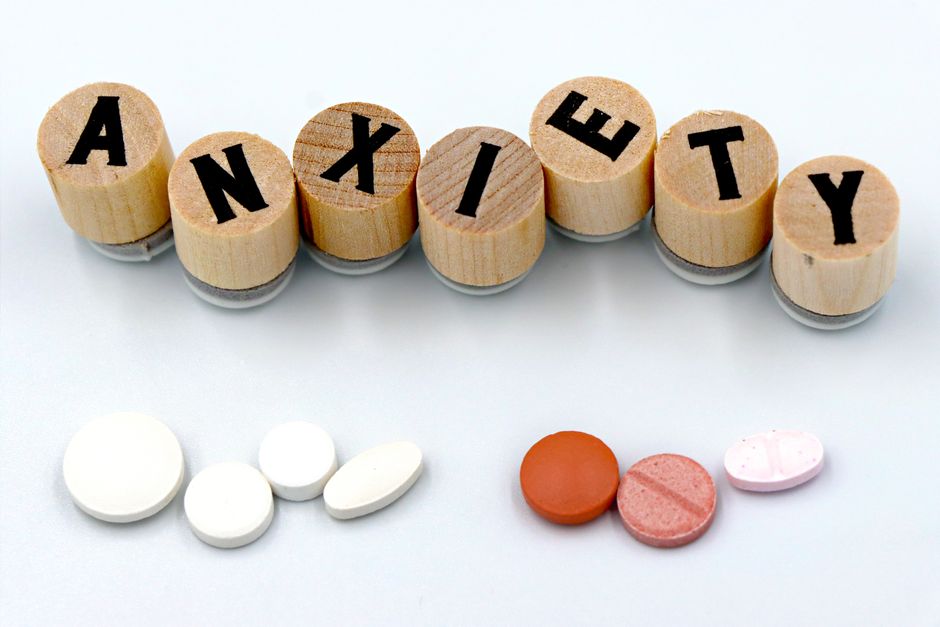
Anxiety is your body’s natural response to stress, a feeling of fear or apprehension about what is to come. While occasional anxiety is a normal part of life, anxiety disorders involve intense, excessive, and persistent worry and fear about everyday situations. These disorders can interfere with daily activities, relationships, and overall quality of life, and they are the most common mental health concern in the United States.
What Is the Medical Definition of Anxiety?
In medical terms, anxiety is a future-oriented mood state. It is characterized by apprehension about anticipated threats or negative events. This is different from fear, which is the emotional response to a real or perceived immediate threat.
When you face a stressful situation, your body activates its sympathetic nervous system. This triggers the “fight-or-flight” response, releasing hormones like adrenaline and cortisol. Your heart rate increases, your breathing quickens, and your muscles tense. This response is protective and useful in genuine danger.
An anxiety disorder occurs when this system becomes overactive. The brain perceives threats that are not present or exaggerates the severity of potential problems. The response becomes disproportionate to the actual situation, and the person cannot easily switch it off. This is not a character flaw or a sign of weakness. It is a medical condition with identifiable biological and psychological components.
What Are the Main Types of Anxiety Disorders?
Anxiety disorders are not one single condition. They are a group of related conditions, each with distinct features. The main types recognized in clinical practice include generalized anxiety disorder, panic disorder, social anxiety disorder, and specific phobias.
Generalized Anxiety Disorder (GAD) involves chronic, exaggerated worry about everyday life events. This worry is difficult to control and often has no obvious reason. People with GAD may worry constantly about health, money, family, or work, even when there is little cause for concern.
Panic Disorder is characterized by sudden, intense, and unexpected panic attacks. These attacks involve physical symptoms like a racing heart, chest pain, sweating, trembling, and a feeling of losing control. A key feature is the persistent concern about having another attack.
Social Anxiety Disorder involves intense fear of social situations. The person fears being judged, embarrassed, or humiliated by others. This fear can be so strong that it leads to avoiding social interactions entirely, which affects work, school, and relationships.
Specific Phobias are intense, irrational fears of specific objects or situations. Common examples include heights, flying, spiders, needles, or enclosed spaces. The fear is out of proportion to the actual danger, and the person will go to great lengths to avoid the trigger.
Other related conditions include separation anxiety disorder and agoraphobia. Agoraphobia involves fear of places or situations where escape might be difficult or help may not be available if panic-like symptoms occur.
What Are the Common Symptoms of Anxiety Disorders?
Symptoms of anxiety disorders fall into two broad categories: psychological and physical. The psychological symptoms include constant worry, racing thoughts, difficulty concentrating, irritability, and feeling restless or on edge. Many people describe a sense of impending doom that they cannot explain.
Physical symptoms are equally common and often the reason people first seek medical help. These can include:
- A rapid heart rate or palpitations
- Shortness of breath
- Muscle tension and headaches
- Fatigue or difficulty sleeping
- Stomach upset, nausea, or diarrhea
- Sweating or trembling
- Dizziness or lightheadedness
The physical symptoms can be so pronounced that many people with anxiety disorders first believe they have a heart problem or another medical illness. It is common for people to visit emergency rooms during a panic attack, only to be told their heart is fine. This does not mean the experience was not real. The physical sensations are genuine, but their source is the nervous system, not the heart itself.





What Causes Anxiety Disorders?
Anxiety disorders do not have a single cause. Research indicates they develop from a combination of genetic, environmental, psychological, and developmental factors. It is rarely one event or one gene that causes the disorder.
Genetics play a role. Anxiety disorders tend to run in families. If a close relative has an anxiety disorder, your risk is higher. However, having a genetic predisposition does not guarantee you will develop one.
Brain chemistry and structure also matter. Neurotransmitters like serotonin, norepinephrine, and gamma-aminobutyric acid (GABA) help regulate mood and stress. Imbalances in these chemicals are associated with anxiety. Brain imaging studies show that areas like the amygdala, which processes threats, may be overactive in people with anxiety disorders.
Environmental factors include traumatic life experiences, chronic stress, and learned behaviors. Growing up in an overly critical or unpredictable environment can shape how a person responds to stress. Major life changes, such as a serious illness, job loss, or the death of a loved one, can trigger the onset of an anxiety disorder in someone who is already vulnerable.
Certain medical conditions and substances can also produce anxiety symptoms. Thyroid disorders, heart arrhythmias, asthma, and chronic pain are linked to anxiety. Caffeine, stimulants, and some medications can worsen anxiety symptoms. This is why a thorough medical evaluation is important before a diagnosis is made.
How Are Anxiety Disorders Diagnosed?
Anxiety disorders are diagnosed through a clinical assessment. There is no blood test or brain scan that can confirm an anxiety disorder. A healthcare provider will take a detailed history, ask about your symptoms, and may use standardized questionnaires to assess severity.
The diagnostic process typically involves ruling out other medical conditions that could cause similar symptoms. A physical exam and basic blood work are often part of this process. This helps ensure that symptoms are not caused by a thyroid problem, vitamin deficiency, or another underlying condition.
To meet the diagnostic criteria, the anxiety must be persistent, excessive, and out of proportion to the actual situation. It must also cause significant distress or impair functioning at work, school, or in social settings. The symptoms usually need to be present for at least six months for generalized anxiety disorder, although specific phobias and panic disorder can be diagnosed more quickly in some cases.
It is also common for anxiety disorders to co-occur with depression. Many people experience both conditions at the same time. This is important because treatment often needs to address both.
What Treatment Options Are Available?
Anxiety disorders are highly treatable. Most people improve significantly with the right treatment. The two main evidence-based approaches are psychotherapy and medication, and they are often used together.
Psychotherapy, particularly cognitive behavioral therapy (CBT), is the most well-studied psychological treatment for anxiety disorders. CBT helps people identify and change distorted thought patterns and behaviors that fuel anxiety. Exposure therapy, a specific type of CBT, is especially effective for phobias and panic disorder. It involves gradual, controlled exposure to the feared object or situation in a safe environment.
Medication can be very effective for moderate to severe anxiety. Selective serotonin reuptake inhibitors (SSRIs) and serotonin-norepinephrine reuptake inhibitors (SNRIs) are commonly prescribed. These are the same classes of medications used for depression. They are not habit-forming and are generally considered first-line treatments.
Benzodiazepines are a different class of medication that can provide rapid relief from acute anxiety. They are effective but carry a risk of dependence and tolerance. For this reason, they are typically prescribed for short-term use or in specific situations, not as a long-term daily treatment.
Lifestyle changes can be a useful complement to professional treatment. Regular exercise, adequate sleep, and reducing caffeine intake can help manage symptoms. Mindfulness and relaxation techniques may also be helpful, but they are not substitutes for evidence-based treatment when symptoms are severe.
When Should You Seek Professional Help?
Anxiety becomes a problem when it is persistent, severe, and interferes with your ability to live your life. If you are avoiding work, social events, or everyday tasks because of anxiety, it is time to seek help. If anxiety is affecting your sleep, your relationships, or your physical health, professional support is warranted.
Some people hesitate to seek help because they feel their anxiety is not “bad enough.” There is no threshold you need to meet. If anxiety is causing you distress, you deserve support. A primary care doctor is a good first step. They can rule out medical causes and refer you to a mental health specialist if needed.
If you experience panic attacks, persistent worry that you cannot control, or physical symptoms that worry you, do not delay. Anxiety disorders do not typically resolve on their own. They tend to persist and can worsen over time without treatment. Early intervention leads to better outcomes.
Frequently Asked Questions
What is the difference between normal anxiety and an anxiety disorder?
Normal anxiety is temporary and proportional to the situation, fading once the stressor passes. An anxiety disorder involves excessive, persistent worry that is out of proportion and interferes with daily functioning.
Can anxiety cause physical symptoms?
Yes, anxiety frequently causes physical symptoms like a racing heart, shortness of breath, muscle tension, fatigue, and stomach problems. These symptoms are real and can be severe, even when no physical illness is present.
Is anxiety a permanent condition?
No, anxiety disorders are highly treatable, and many people recover fully or learn to manage their symptoms effectively. Treatment with therapy, medication, or both leads to significant improvement for most people.
What is the most effective treatment for anxiety?
Cognitive behavioral therapy (CBT) and selective serotonin reuptake inhibitors (SSRIs) are the most well-supported treatments for anxiety disorders. The best approach often combines therapy and medication tailored to the individual.
