
Knowing when you are fertile comes down to tracking your menstrual cycle and watching for physical changes. For most people, fertility peaks in the days leading up to and including ovulation, which is when an ovary releases an egg. The most reliable signs are cervical mucus changes, a slight rise in basal body temperature, and results from ovulation predictor kits that measure luteinizing hormone (LH).
What Does Fertile Mean Exactly?
Fertility refers to your ability to conceive. In a typical menstrual cycle, an egg is released from the ovary about 14 days before your next period starts. This event is called ovulation. The egg survives for only about 12 to 24 hours after release. Sperm, however, can survive inside the reproductive tract for up to five days. That means your fertile window is roughly six days long: the five days before ovulation and the day of ovulation itself.
If you have sex during this window, the chances of sperm meeting the egg are highest. If you have sex after ovulation, the egg is already gone and pregnancy cannot occur until the next cycle. This timing is the foundation of understanding your fertility signs.
How Do I Know When Im Fertile Signs To Watch
Your body gives off several signals that ovulation is approaching or has already happened. No single sign is perfect on its own. Watching two or three together gives you a much clearer picture. Here are the most reliable signs to track.
Cervical Mucus Changes
This is one of the earliest and most noticeable signs. As estrogen rises in the days before ovulation, your cervical mucus changes in consistency. Right after your period, you may have little to no mucus. As you approach ovulation, it becomes sticky or creamy. When you are most fertile, the mucus turns clear, slippery, and stretchy, much like raw egg whites. This fertile-quality mucus helps sperm swim through the cervix and survive longer.
Checking is simple. Wipe with toilet paper before urinating or insert a clean finger to observe the mucus. The “egg white” texture is the strongest visual cue that ovulation is near. Once this mucus appears, ovulation typically occurs within one to two days.
Basal Body Temperature Rise
Basal body temperature is your temperature at complete rest, measured first thing in the morning before you get out of bed. After ovulation, the hormone progesterone causes your temperature to rise slightly, usually by about 0.5 to 1 degree Fahrenheit. This rise confirms that ovulation has already occurred. It does not predict it.
To use this method accurately, you need a basal body thermometer that measures to two decimal places. Take your temperature at the same time every morning before any activity. Record it daily. You will notice a sustained temperature shift that stays higher until your next period. The fertile window has passed by the time you see this rise, so it is most useful for predicting future cycles rather than catching the current one.
Ovulation Predictor Kits
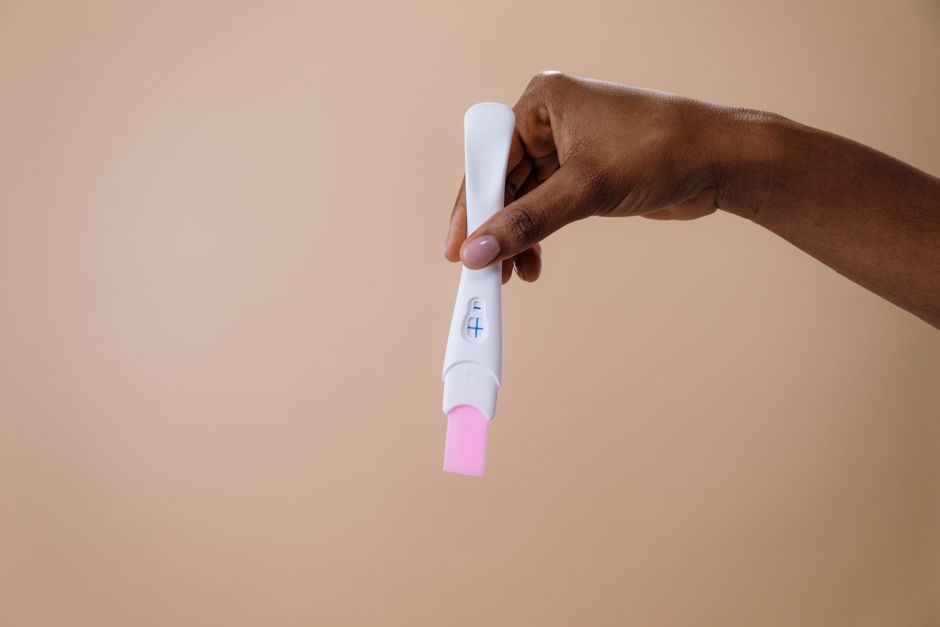
Ovulation predictor kits, or OPKs, detect the surge of luteinizing hormone in your urine. LH surges about 24 to 36 hours before ovulation. A positive OPK tells you that ovulation is likely to happen within the next day or two. This gives you a solid heads-up for timing intercourse.
These kits are widely available over the counter and are generally accurate when used correctly. You typically start testing a few days before you expect ovulation based on your cycle length. For example, if you have a 28-day cycle, you might start testing around day 10 or 11. Follow the instructions on the package. A test line as dark as or darker than the control line is considered positive.
Mild Pelvic Pain or Twinges
Some people feel a mild ache or twinge on one side of the lower abdomen around ovulation. This is sometimes called mittelschmerz, a German word meaning “middle pain.” The discomfort can last from a few minutes to a few hours. It happens when the follicle stretches and ruptures to release the egg.
Not everyone feels this sensation. It is not a reliable standalone sign because it can be confused with other abdominal discomfort. If you do feel it, however, it can add useful information when combined with mucus changes and OPK results.
How to Track Your Cycle Length
Cycle length is counted from the first day of one period to the first day of the next. The average cycle is 28 days, but normal cycles range from 21 to 35 days. Ovulation does not always happen on day 14. It depends on your individual cycle length and hormone patterns.
A simple way to estimate your fertile window is to track your cycles for several months. Subtract 14 days from your expected next period date to estimate ovulation day. Then count back five days for the start of your fertile window. This calendar method works best for people with regular cycles. It is less reliable if your cycles vary by more than a few days from month to month.
Apps can help you log your cycle, symptoms, and temperature readings. They are convenient but only as accurate as the data you enter. They cannot detect ovulation on their own. They simply apply algorithms to your input.





What If Your Cycles Are Irregular?
Irregular cycles make fertility tracking harder. If your cycle length varies significantly, predicting ovulation by calendar alone is unreliable. Hormonal signs like cervical mucus and LH surges become more important because they reflect what is happening in real time rather than what an average predicts.
Some people with irregular cycles may not ovulate every month. Conditions like polycystic ovary syndrome, thyroid disorders, high stress, extreme weight loss or gain, and perimenopause can affect ovulation regularity. If you have irregular cycles and are trying to conceive, tracking signs for several months can help you see patterns. If cycles remain unpredictable or you have not conceived after a year of trying, or after six months if you are over 35, talk to a healthcare provider.
When to Have Sex for Best Chances
Having sex every day or every other day during your fertile window gives you the best chance of conception. Sperm can survive up to five days, so you do not need to time intercourse to the exact hour of ovulation. The goal is to have sperm waiting in the reproductive tract when the egg is released.
The most practical approach is to have sex every one to two days starting a few days before expected ovulation. Continue for a few days after a positive OPK or after cervical mucus turns egg white. This covers the window without the pressure of pinpointing the exact moment of ovulation.
There is no evidence that specific sexual positions or lying still afterward increases the chance of pregnancy. Sperm reach the cervix within minutes regardless of position.
Common Myths About Fertility Signs
One widespread myth is that you can ovulate on day 14 of every cycle. That is only an average. Ovulation timing varies widely even among people with regular cycles. Another myth is that you cannot get pregnant from sex during your period. While less likely, it is possible if you have a short cycle and ovulate soon after your period ends. Sperm from sex during your period can survive long enough to meet an early-released egg.
A third myth is that a negative ovulation test means you are not fertile that day. A negative OPK simply means the LH surge has not happened yet. You may still be approaching ovulation. Continue testing daily until you get a positive result. Finally, some believe that fertility signs are only useful for people trying to conceive. They are equally valuable for people trying to avoid pregnancy, though the fertility awareness method requires strict daily tracking and has higher failure rates than other contraceptive methods when used imperfectly.
When to See a Doctor
Tracking fertility signs is not a substitute for medical evaluation when needed. If you are under 35 and have been trying to conceive for 12 months without success, see a healthcare provider. If you are over 35, seek evaluation after six months of trying. If you have very irregular periods, severe pelvic pain, or known conditions like endometriosis or PCOS, discuss your plans with a doctor earlier.
Fertility tracking can identify when you ovulate, but it cannot tell you whether your fallopian tubes are open, whether sperm quality is adequate, or whether other factors are affecting conception. Those require medical testing. Tracking your signs is a helpful first step, not a complete fertility assessment.
Frequently Asked Questions
What day of my cycle am I most fertile?
You are most fertile in the five days before ovulation and on the day of ovulation itself. For a typical 28-day cycle, that usually falls around days 10 to 15, but your individual timing may differ.
Can I feel when I ovulate?
Some people feel a mild ache or twinge on one side of the lower abdomen during ovulation, but many feel nothing at all. This sensation is not a reliable sign on its own.
How accurate are ovulation predictor kits?
Ovulation predictor kits are generally accurate at detecting the LH surge that precedes ovulation by about 24 to 36 hours. They work best when used according to package instructions and combined with other signs like cervical mucus changes.
Is cervical mucus a reliable sign of fertility?
Yes, cervical mucus changes are one of the most reliable natural signs of approaching ovulation. Clear, slippery, stretchy mucus similar to raw egg whites indicates peak fertility.
