
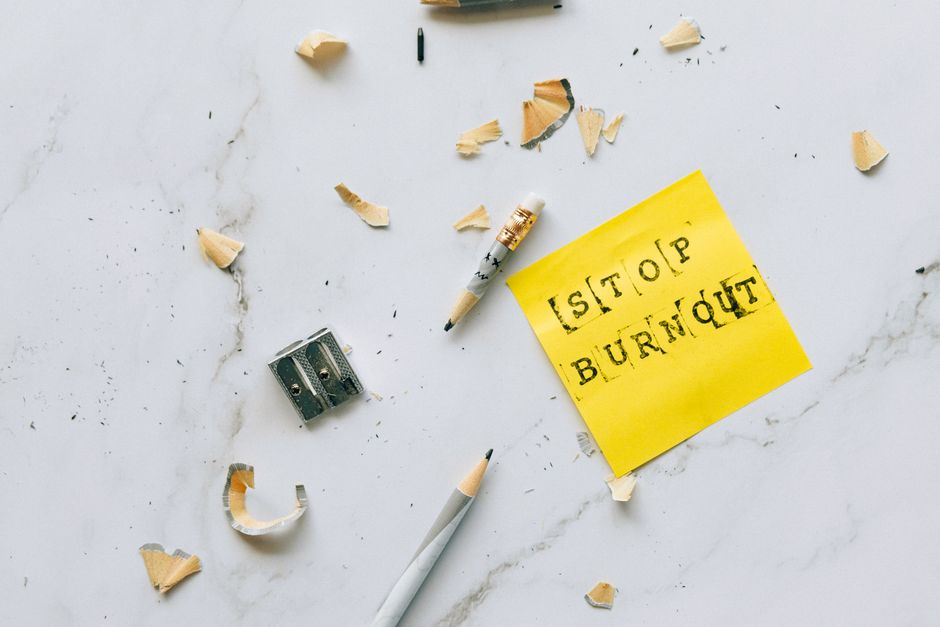
You may notice changes in your body, mood, and behavior when you are under stress. Common signs include headaches, trouble sleeping, irritability, overeating or loss of appetite, and difficulty concentrating. If these symptoms last for weeks or start to interfere with your daily life, stress may be the cause.
How Do I Know If Im Stressed Out Signs To Watch
Stress affects everyone differently, but some signs are very common. Pay attention to these four areas:
Physical signs – Headaches, muscle tension (especially in your neck and shoulders), fatigue, upset stomach, and changes in appetite or sleep patterns.
Emotional signs – Irritability, feeling overwhelmed, anxiety, mood swings, or a sense of hopelessness.
Behavioral signs – Withdrawing from friends and family, procrastinating, using alcohol or tobacco more than usual, or losing interest in hobbies.
Cognitive signs – Trouble focusing, forgetfulness, racing thoughts, or constant worrying.
If you notice several of these signs together, especially for more than two weeks, stress is likely a factor.
What Happens in Your Body During Stress
When you face a challenge, your brain triggers the “fight‑or‑flight” response. Your hypothalamus signals the adrenal glands to release adrenaline and cortisol. Adrenaline raises your heart rate and blood pressure. Cortisol increases glucose in your bloodstream for quick energy.
This response is helpful in short bursts. It helps you meet deadlines, avoid danger, or perform under pressure. But when stress continues for weeks or months, your body stays in high alert. This chronic stress can wear down your systems.
Long‑term high cortisol levels are linked to high blood pressure, weight gain, and a weaker immune system. The body was not designed to stay in fight‑or‑flight mode all the time.
How Is Stress Different from Anxiety
Stress and anxiety feel similar but they are not the same. Stress is a response to an external trigger — a work deadline, a family conflict, or a financial problem. Once the trigger goes away, the stress usually fades.
Anxiety is a persistent feeling of worry or fear even when no obvious trigger exists. People with anxiety disorders may feel tense or fearful most of the time, and the feeling does not stop when the stressful situation ends.
It is possible to have both. Chronic stress can lead to an anxiety disorder. If your worry feels out of proportion to your life circumstances, it may be more than stress.





When Should You See a Doctor for Stress Symptoms
You do not always need a doctor for everyday stress. But you should seek help if your stress symptoms last longer than a few weeks, or if they interfere with your ability to work, care for your family, or enjoy life.
See your primary care doctor if you experience chest pain, shortness of breath, severe headaches, or changes in vision. These can also be signs of a medical condition. A doctor can rule out other causes and refer you to a mental health professional if needed.
If you have thoughts of harming yourself or others, call 988 (U.S. Suicide & Crisis Lifeline) or go to an emergency room.
What Are the Best Ways to Manage Stress
There is no single cure for stress, but several approaches have good evidence behind them. Regular physical activity — even a brisk 30‑minute walk most days — lowers cortisol and improves mood. Getting enough sleep (7–9 hours for most adults) helps your body recover. Social connections are powerful; talking to a trusted friend or family member can reduce the feeling of being alone with your stress.
Mindfulness and deep breathing exercises are supported by some research. They activate the parasympathetic nervous system, which is the “rest and digest” system that counters the stress response. If these approaches do not help enough, therapy — especially cognitive behavioral therapy (CBT) — is an effective treatment for chronic stress and anxiety.
What does not work well: ignoring stress, using alcohol or drugs, or working longer hours to “get ahead” of your stress. These strategies usually make things worse over time.
Can Stress Cause Long‑Term Health Problems
Evidence shows a clear link between chronic stress and several health conditions. Research has found that long‑term stress raises your risk for heart disease, high blood pressure, type 2 diabetes, depression, and a weakened immune system. The exact mechanism involves sustained high cortisol, inflammation, and unhealthy coping behaviors like poor diet and smoking.
But the relationship is complex. Not everyone who is stressed gets sick, and some people are more resilient due to genetics, social support, or coping skills. It is not accurate to say stress alone causes a disease. However, managing stress is an important part of preventing these problems.
What If I Do Not Feel Stressed but Have Physical Symptoms
Some people experience stress mainly as physical complaints without feeling mentally stressed. This is sometimes called “somatic” stress. You may have chronic headaches, back pain, digestive issues, or fatigue without a clear medical cause.
If your doctor has ruled out underlying diseases, stress may still be the driver. Keeping a journal of symptoms and daily events can help identify patterns. A mental health professional can help you recognize stress you may not be aware of.
Frequently Asked Questions
What are the first signs of stress?
The earliest signs are often physical: tense muscles, fatigue, and trouble sleeping. You may also feel irritable or have difficulty focusing.
How do I know if I am too stressed?
You may be too stressed if your symptoms last longer than two weeks or start to interfere with work, relationships, or daily activities. Physical symptoms like chest pain or frequent illness can also be warning signs.
Is stress always bad for you?
No. Short‑term stress can boost performance and focus. Problems arise when stress is chronic and does not turn off after the challenge passes.
Can stress make you physically sick?
Yes. Chronic stress weakens the immune system, increases inflammation, and is linked to conditions like high blood pressure, digestive issues, and frequent colds.
