
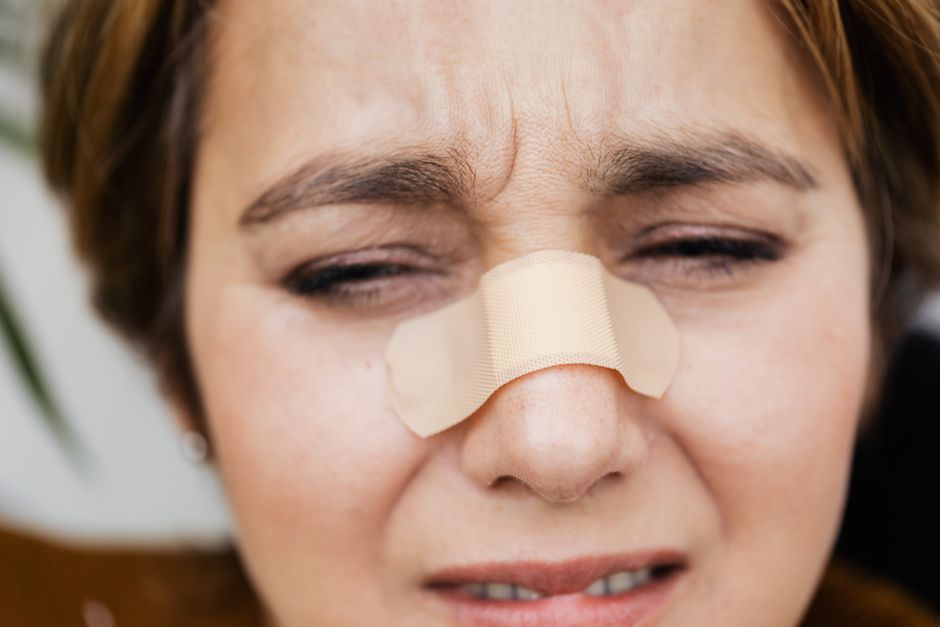
A broken nose is one of the most common facial injuries, but telling a simple bruise from a serious fracture isn’t always easy. The short answer: your nose injury is serious if you have significant swelling, obvious deformity, difficulty breathing through your nose, or bleeding that won’t stop. If you experience any of these, you need medical evaluation promptly — not tomorrow, not “when it heals.” Here is what you need to know about assessing a nose injury and deciding when to seek emergency care.
What Counts as a Serious Nose Injury?
A serious nose injury involves more than pain and swelling. The most concerning signs include a visibly crooked or misshapen nose, a nose that feels unstable or moves abnormally, or a septal hematoma — a collection of blood inside the nasal septum that can destroy cartilage if untreated.
Difficulty breathing through one or both nostrils after the initial swelling subsides is another red flag. So is double vision, numbness in the cheek or upper teeth, or clear fluid draining from the nose, which may indicate a cerebrospinal fluid leak. Any of these warrants immediate medical attention.
Simple nose injuries typically involve bruising, mild swelling, and tenderness that improves over several days. They do not change the shape of your nose or block your airway permanently.
Signs You Need Emergency Care Right Now
Some nose injuries require urgent evaluation in an emergency department. Do not wait to see if symptoms improve on their own when you have any of the following:
- Bleeding that continues for more than 20 minutes despite direct pressure
- A nose that appears clearly crooked, bent, or flattened
- Difficulty breathing through your nose that does not improve as swelling goes down
- A cut or laceration on the nose that may need stitches
- Clear, watery fluid draining from one nostril
- Loss of consciousness or a suspected concussion at the time of injury
- Vision changes, double vision, or pain with eye movement
- Numbness in the upper lip, cheek, or teeth
These symptoms suggest the injury may involve the nasal bones, the surrounding facial bones, or the structures inside the nose that control breathing. Emergency evaluation includes imaging when needed and a thorough examination by a physician familiar with facial trauma.
How Doctors Determine If Your Nose Is Broken
A doctor will start by asking how the injury happened and examining your nose from the outside and inside. They will look for swelling, bruising, deformity, and tenderness over the nasal bones. Using a nasal speculum, they can see inside your nostrils to check for a septal hematoma or damage to the nasal septum.
Imaging is not always necessary. X-rays of the nose are rarely helpful because they miss many fractures and do not change treatment decisions. A CT scan is more accurate but is typically reserved for injuries that may involve other facial bones or when complications are suspected.
The most important part of the examination is checking for a septal hematoma. This is a blood collection between the cartilage of the nasal septum and the membrane covering it. If left untreated, it can cut off blood supply to the cartilage, causing it to die and collapse. That collapse creates a “saddle nose” deformity that is difficult to correct later.





What Happens If You Do Not Treat a Broken Nose
Untreated nasal fractures can lead to permanent problems. The most common is a visible deformity that does not resolve on its own. Nasal bones heal in the position they are in, so if they are displaced, they will stay displaced unless a doctor realigns them.
Breathing problems can also become permanent. If the nasal septum is deviated by the injury, airflow through one or both nostrils may be reduced for life. Some people adapt to this and do not notice it until years later. Others develop chronic nasal congestion, snoring, or sleep apnea that traces back to an old injury.
Septal hematomas are the most urgent complication. If not drained within a few days, the cartilage can die, leading to a collapsed nasal bridge. This is why doctors check for septal hematoma in every nose injury, even ones that seem minor.
When to See a Doctor for a Nose Injury
You should see a doctor within a few days of any nose injury that causes significant swelling, bruising, or pain. Even if you do not need emergency care, an evaluation can identify problems that need treatment before they become permanent.
If you want to avoid a visible deformity, timing matters. Nasal fractures are typically realigned within 7 to 14 days of the injury. After that window, the bones begin to heal in their new position, and correction requires surgery.
This does not mean every nose injury needs immediate treatment. Minor injuries with no deformity, no breathing obstruction, and no septal hematoma can be managed with ice, pain relief, and time. But only a medical professional can reliably make that determination.
Home Care for Minor Nose Injuries
For injuries that a doctor has confirmed are minor, home care focuses on reducing swelling and managing pain. Apply a cold compress to the nose and surrounding area for 15 to 20 minutes at a time, several times a day, for the first 48 hours. This constricts blood vessels and limits swelling.
Keep your head elevated, even while sleeping, to reduce fluid accumulation around the injury. Over-the-counter pain relievers such as acetaminophen can help with discomfort. Avoid ibuprofen and aspirin in the first few days if you had significant bleeding, because they can increase bleeding risk.
Do not attempt to straighten your nose yourself. Do not blow your nose forcefully for at least a week after the injury, because this can push air into the tissues around the eyes and worsen swelling. If you need to sneeze, sneeze with your mouth open.
How Do I Know If My Nose Injury Is Serious Enough for Surgery
Surgery for a nose injury is considered when the bones are significantly displaced, when the septum is badly deviated, or when the injury causes a permanent breathing obstruction. This is not a decision made in the emergency room. It happens after swelling subsides and a specialist can assess the true position of the bones.
Most nasal fractures do not require surgery. Many heal fine with no intervention. Others need a simple closed reduction, where a doctor realigns the bones with gentle pressure, often without an incision. This procedure is most effective when done within the first two weeks after injury.
More complex fractures, especially those involving the septum or surrounding facial bones, may require rhinoplasty or septorhinoplasty. These are surgical procedures performed under general anesthesia. Your doctor will explain the options and expected outcomes if surgery is recommended.
Complications That Can Arise After a Nose Injury
Beyond the immediate concerns, some complications develop days or weeks after the injury. A septal hematoma may not cause symptoms right away but can lead to severe nasal obstruction and cartilage damage within days. This is why follow-up evaluation matters.
Infections are rare but possible, especially if the injury involved a break in the skin. Signs of infection include increasing pain, redness, warmth, fever, or pus draining from the nose. These symptoms require prompt medical attention.
Some people develop chronic sinusitis after a nose injury because the normal drainage pathways of the sinuses are disrupted. Others notice changes in their sense of smell. These issues are less common but can be persistent and frustrating.
If you had a severe injury, watch for signs of a concussion in the days afterward. Headache, confusion, dizziness, nausea, or sensitivity to light can indicate that the impact affected your brain as well as your nose.
Frequently Asked Questions
How long after a nose injury can you see a doctor?
You should see a doctor within a few days of any significant nose injury, and ideally within 7 to 14 days if you want the bones realigned without surgery. After two weeks, nasal bones begin healing in their displaced position and correction becomes more involved.
Can you have a broken nose without visible swelling?
Yes, some nasal fractures cause minimal external swelling, especially if the fracture is small or non-displaced. However, the absence of swelling does not mean the injury is minor, so any persistent pain, breathing difficulty, or deformity should still be evaluated.
Is it safe to blow your nose after a nose injury?
No, avoid forceful nose blowing for at least one week after a nose injury. Blowing can force air into the tissues around your eyes and face, causing swelling and potentially introducing bacteria into the injury site.
What does a septal hematoma feel like?
A septal hematoma feels like a firm, balloon-like blockage inside one or both nostrils that does not improve with decongestants. It typically causes increasing nasal obstruction and pain within days of the injury and requires urgent drainage by a doctor.
