
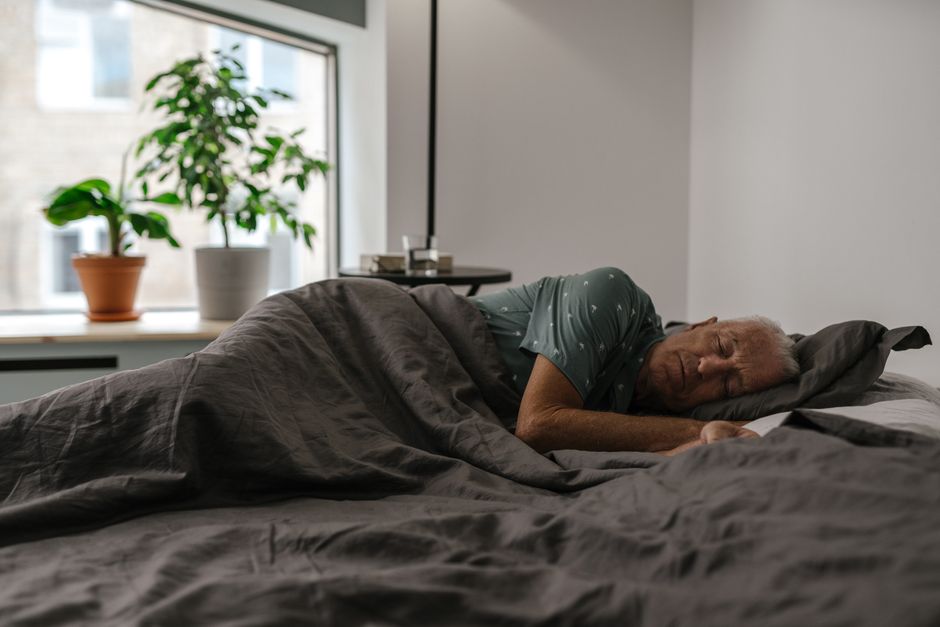
You wake up twisted like a pretzel, one arm under the pillow, one leg hanging off the bed, and your head at a strange angle. You wonder if something is wrong with you. It is almost always normal. Most people shift into unusual sleeping positions because their body is searching for comfort, relieving pressure, or managing minor pain without them even knowing it. Unless you wake up in pain or with numbness that lasts, weird sleeping positions are just your body’s way of getting through the night.
What Causes People to Sleep in Weird Positions?
Your body does not stay still during sleep. It moves about 10 to 40 times a night. Most of these movements happen during light sleep stages or when you are shifting between sleep cycles.
The main reason you end up in a strange position is comfort. Your body naturally adjusts to reduce pressure on joints and muscles. If a hip feels tight, you might roll onto your stomach. If your neck is stiff, you might tuck an arm under your head. These are automatic adjustments, not conscious choices.
Temperature also plays a role. If you get too hot, you might throw a leg out from under the covers or sleep on your back with arms spread out. If you are cold, you curl into a tight fetal position. Your sleeping position often reflects what your body needs at that moment in the night.
Why Do I Sleep in Weird Positions and Is It Normal?
Yes, it is normal. Sleeping in weird positions is common across all ages. Research consistently shows that most adults change positions multiple times per night. Only about 5 to 10 percent of people sleep in one position all night.
The idea that you must sleep on your back or in one perfect position is a myth. Your body knows what it is doing. If you wake up on your stomach with your face smashed into the pillow, that is your body finding a way to breathe and rest at the same time. It is not a sign of a sleep disorder.
What matters is how you feel in the morning. If you wake up rested and pain-free, your weird position worked perfectly for you. If you wake up with a sore neck, numb arm, or headache, then your position might be causing a problem. But the position itself is not abnormal.
Does Your Sleeping Position Mean Something About Your Health?
Some people claim your sleeping position reveals your personality or hidden health problems. The evidence does not support this. There is no reliable research linking specific sleeping positions to personality traits or hidden diseases.
However, some positions can affect your health in real ways. Sleeping on your back can make snoring worse and can worsen sleep apnea symptoms. Sleeping on your stomach can strain your neck because your head is turned to one side for hours. Sleeping in a tight fetal position can restrict deep breathing.
These are mechanical effects, not hidden meanings. If you have a health condition like acid reflux, sleeping on your left side can help keep stomach acid down. If you have shoulder pain, sleeping on the opposite side with a pillow between your arms can reduce pressure. Your body might naturally shift into these positions without you knowing why.





When Should You Be Concerned About Your Sleeping Position?
Most weird positions are fine. But there are a few signs that suggest you should pay attention. If you wake up with numbness or tingling in your hands or arms that lasts more than a few minutes, your sleeping position might be compressing a nerve. This is common with arms tucked under the body or head.
If you wake up with headaches, especially in the morning, your sleeping position could be straining your neck or restricting your airway. If you wake up gasping for air or with a dry mouth, your position might be making sleep apnea worse.
If you wake up with back or neck pain that improves as you move around during the day, your sleeping position is likely the cause. This is fixable with small changes like a different pillow or a body pillow to keep your spine aligned.
If the pain or numbness does not go away after you get up, or if it gets worse over time, talk to a doctor. The problem might not be your sleeping position at all. It could be an underlying condition like arthritis or a pinched nerve that just shows up at night.
Can You Train Yourself to Sleep in a Different Position?
Yes, but it takes time. Your body has habits built over years. Changing your sleeping position is like changing your walking gait. It feels unnatural at first.
The most common method is using pillows as barriers. If you want to stop sleeping on your stomach, place a firm pillow under your side or behind your back. This makes it uncomfortable to roll onto your stomach. If you want to sleep on your back, put pillows under your knees to take pressure off your lower back.
Some people use wearable devices that vibrate when they roll into a position they want to avoid. These can work but the evidence is limited. Most people can retrain their position within two to four weeks if they are consistent.
If you are trying to change positions for a specific health reason, like reducing snoring or managing acid reflux, the effort is usually worth it. If you are trying to change positions just because you think your current one is weird, ask yourself if it is actually causing a problem. If not, there is no medical reason to change.
Does Your Sleeping Position Change as You Age?
Yes, it often does. Babies and young children sleep in many positions and move a lot. As people age, they tend to stay in fewer positions and move less during the night.
Older adults often sleep more on their side. This is partly because side sleeping puts less pressure on the lower back and hips. As joints get stiffer with age, the body naturally avoids positions that stress them. Many older adults develop a preference for sleeping on their left side because it improves circulation and reduces pressure on the heart.
Pregnancy also changes sleeping positions dramatically. Most pregnant women end up sleeping on their left side because it improves blood flow to the baby. This is one of the few cases where a specific position is medically recommended.
What Are the Most Common Weird Sleeping Positions?
There is no official list, but surveys and sleep studies have identified a few common ones.
- The starfish — sleeping on your back with arms and legs spread wide. This is common in hot sleepers because it exposes more skin to cool air.
- The log — sleeping on your side with both arms straight down. This is one of the most common positions and generally good for spine alignment.
- The yearner — sleeping on your side with both arms stretched out in front. This can strain the shoulders over time.
- The fetal position — sleeping on your side with knees pulled up tight. This is very common but can restrict breathing if curled too tightly.
- The freefall — sleeping on your stomach with your head turned to one side and arms around the pillow. This puts the most strain on the neck.
- The one-leg-up — sleeping on your back or side with one knee bent and the other leg straight. This often happens when people have lower back discomfort.
None of these positions are abnormal. They are just patterns that emerge from how your body tries to stay comfortable through the night.
Does Your Sleeping Position Affect Your Dreams?
Some people claim that sleeping on your back causes nightmares or that sleeping on your stomach causes vivid dreams. The evidence is weak. There is no reliable study showing that your sleeping position directly controls the content of your dreams.
However, sleeping position can affect your breathing and heart rate. Sleeping on your back can make snoring worse, which can briefly wake you up during dreams. This might make you remember more dreams simply because you woke up during or right after one. Sleeping on your stomach can make breathing slightly harder, which might trigger more alertness in the brain and more dream recall.
These are indirect effects. Your dreams are shaped mostly by your brain activity, not by how you are lying. If you have a specific position that gives you bad dreams, try a different position for a week and see if it changes. If it does not, your dreams are probably coming from something else.
How to Tell If Your Sleeping Position Is Actually a Problem
The best test is how you feel in the morning. Ask yourself three questions. Do I wake up with pain? Do I wake up with numbness? Do I wake up feeling unrefreshed even after enough hours of sleep?
If the answer to all three is no, your position is fine. If you answer yes to any of them, the position might be contributing but it is not necessarily the cause. Other factors like your mattress, pillow, and underlying health conditions also matter.
Try one change at a time. Change your pillow height first if you have neck pain. Try a body pillow if you have hip pain. Change your position only if the other changes do not help. This way you know what is actually causing the problem.
If you have tried multiple changes and still wake up in pain, see a doctor. The problem might be arthritis, a disc issue, or a nerve condition that shows up at night. Your sleeping position is just where the symptoms happen, not the cause.
Frequently Asked Questions
Is it bad to sleep in weird positions?
No, it is not bad unless you wake up with pain or numbness that lasts. Most weird positions are harmless and just reflect your body’s natural adjustments during sleep.
Why do I wake up with my arms above my head?
This position often happens when your body is trying to keep your airway open or when you are too warm. It is normal and not a cause for concern if you wake up comfortable.
Can changing my sleeping position fix back pain?
Sometimes yes, but it depends on the cause of the pain. Sleeping on your side with a pillow between your knees can help lower back pain, but if the pain persists you should see a doctor.
Does sleeping on your stomach cause wrinkles?
Some dermatologists say sleeping with your face pressed into a pillow can contribute to sleep lines over many years, but the evidence is weak and the effect is minor compared to sun exposure and genetics.
