
Most of the time, a child’s kidneys are working quietly in the background and you never think about them. But when something goes wrong, the clues can be easy to miss because they look like ordinary childhood complaints.
You can watch for a pattern of changes rather than one single symptom. Warning signs include swelling around the eyes or in the feet and ankles, a big drop in how much urine your child makes, urine that looks bloody, tea-colored, or foamy, and unexplained fatigue, poor appetite, or slow growth.
None of these signs prove a kidney problem on their own. But a cluster of them, or one that persists, is a reason to call your child’s doctor rather than wait and see.
What Do the Kidneys Actually Do?
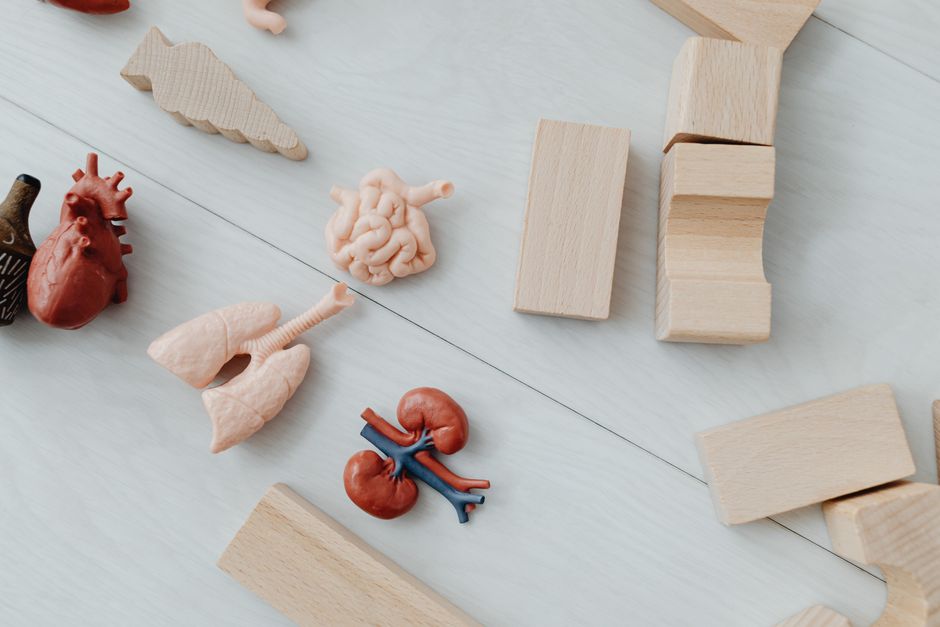
The kidneys are two bean-shaped organs, each about the size of a fist in an adult. They sit near the middle of the back, just below the rib cage. Their main job is to filter blood and remove waste and extra fluid as urine.
They also do several things most people never think about. They help control blood pressure. They balance sodium, potassium, calcium, and other minerals. They release a hormone that tells the body to make red blood cells. And they activate a form of vitamin D that keeps bones strong.
That range of jobs explains why kidney problems can show up in surprising ways. A child whose kidneys are struggling may look pale and tired from anemia, or have puffy eyes from fluid retention, long before anyone thinks about the kidneys at all.
In children, kidney problems usually fall into two broad groups. Some are congenital, meaning the child is born with them, such as a kidney that did not form normally or a blockage in the urinary tract. Others are acquired, meaning they develop later, such as an infection, an autoimmune condition, or damage from another illness. The pattern of symptoms can differ depending on which type is involved.
What Are the Most Common Signs of Kidney Problems in Children?
Swelling is one of the most recognizable signs. It often shows up first around the eyes, especially in the morning, and may fade as the day goes on. It can also appear in the feet, ankles, or belly. The swelling happens because the kidneys are not clearing extra fluid and salt the way they should.
Changes in urine are another major clue. Watch for urine that is pink, red, or the color of cola or tea. Watch for urine that is very foamy or bubbly, which can point to protein leaking into the urine. A child who suddenly starts wetting the bed again after being dry for a long time, or who is urinating far less than usual, also deserves a closer look.
Other signs are less specific but still worth noting:
- Ongoing fatigue or low energy that does not improve with rest
- Poor appetite, nausea, or vomiting
- Pale skin, which can signal anemia
- Slow growth or weight loss
- High blood pressure, which is often found only when a doctor measures it
- Pain in the flank or lower back
- Fever with pain when urinating, which can point to a urinary tract infection
One important clarification: bedwetting alone is common in children and usually has nothing to do with the kidneys. It becomes more concerning when it starts suddenly in a child who had been consistently dry, or when it comes with other signs on this list.
How Do I Know If My Child Has Kidney Problems Versus Something Else?
You usually cannot tell from symptoms alone. Many of these signs overlap with far more common childhood conditions. Fatigue could be a growth spurt, a virus, or poor sleep. Swelling could be from allergies. A single episode of dark urine could simply mean your child is dehydrated.
That is why the answer almost always comes from testing, not from symptom-spotting. A doctor can check a urine sample for blood, protein, and signs of infection. A simple blood test can measure how well the kidneys are filtering. An ultrasound can show the size and shape of the kidneys and whether urine is flowing normally.
The key factor that separates a passing issue from a real concern is persistence. A symptom that comes and goes over a day is often nothing. The same symptom that hangs on for days or weeks, or that keeps coming back, is what prompts testing.





When Should You Call the Doctor?
Call your child’s doctor if you notice any symptom that lasts more than a day or two, or if several signs appear together. Do not wait for a full set of symptoms to develop before making the call.
Some situations need urgent care rather than a routine appointment. Go to an emergency department or call emergency services if your child:
- Stops urinating for many hours
- Has severe swelling, especially around the face or spreading quickly
- Is very drowsy, confused, or hard to wake
- Has trouble breathing
- Has blood in the urine along with fever, rash, or bruising
- Has a seizure or becomes unconscious
These signs can indicate a serious, fast-moving problem. They are not the time to watch and wait. In these cases, the cause may not be the kidneys at all, but the symptoms are severe enough that they need to be checked right away.
What Causes Kidney Problems in Children?
The causes vary widely by age and by whether the problem is present at birth. Congenital issues are among the most common reasons children develop kidney disease. These include kidneys that are smaller than normal, kidneys that are joined together, or a blockage that keeps urine from draining properly. Some of these are found on a routine prenatal ultrasound before the baby is even born.
Infections are another cause. A urinary tract infection that moves up into the kidneys can cause damage if it is not treated. This is one reason a fever with urinary symptoms in a young child is taken seriously.
Some kidney problems come from the immune system attacking the kidneys. Others are linked to conditions that affect the whole body, such as diabetes or high blood pressure, though these are more common in adults than in children.
Certain inherited conditions also affect the kidneys. Some run in families, so a doctor may ask about kidney disease in parents or siblings. Knowing the family history can change how closely a child is watched.
In many cases, no clear cause is ever found. That does not mean the problem is not real. It means the workup is still ongoing.
How Are Kidney Problems Diagnosed and Treated?
Diagnosis usually starts with the simplest tests. A urinalysis checks the urine for blood, protein, and other markers. A blood test measures creatinine, a waste product that builds up when the kidneys are not filtering well. An ultrasound gives a picture of the kidneys’ structure.
If those tests point to a problem, a doctor may order more detailed imaging or, in some cases, a kidney biopsy, where a tiny sample of kidney tissue is examined under a microscope. A biopsy is not routine. It is used when the cause is unclear and knowing it would change treatment.
Treatment depends entirely on the cause. Some children need only monitoring, with regular checkups to make sure the kidneys are stable. Others need medication to control blood pressure, reduce protein loss, or quiet an overactive immune system. Some need surgery to fix a blockage. A small number eventually need a kidney transplant.
Diet and fluid management matter for some children, especially as kidney function declines. These plans are set by a doctor or dietitian and are not something to adjust on your own. Cutting salt or protein without guidance can do more harm than good.
What is true across almost all cases is that earlier diagnosis tends to mean better outcomes. Kidneys can often keep working well for a long time when a problem is caught and managed early. That is the strongest reason not to dismiss persistent symptoms.
Frequently Asked Questions
Can kidney problems in children be cured?
Some causes, like a urinary tract infection or a blockage, can be treated and may resolve completely. Others are long-term conditions that are managed rather than cured, and the outlook depends heavily on the specific cause and how early it is found.
What does kidney problem urine look like?
It may look pink, red, or tea-colored if there is blood, or very foamy if there is protein. Normal urine is usually clear to pale yellow, so any lasting change in color or a frothy appearance is worth checking.
Can a child have kidney problems without any symptoms?
Yes. Early kidney disease often causes no noticeable symptoms at all, which is why it is sometimes found during routine testing or when a doctor checks blood pressure or a urine sample for another reason.
Is bedwetting a sign of kidney problems?
Bedwetting by itself is common and usually not related to the kidneys. It is more concerning when it starts suddenly in a child who had been dry for a long time, or when it appears alongside swelling, blood in the urine, or other symptoms.
