
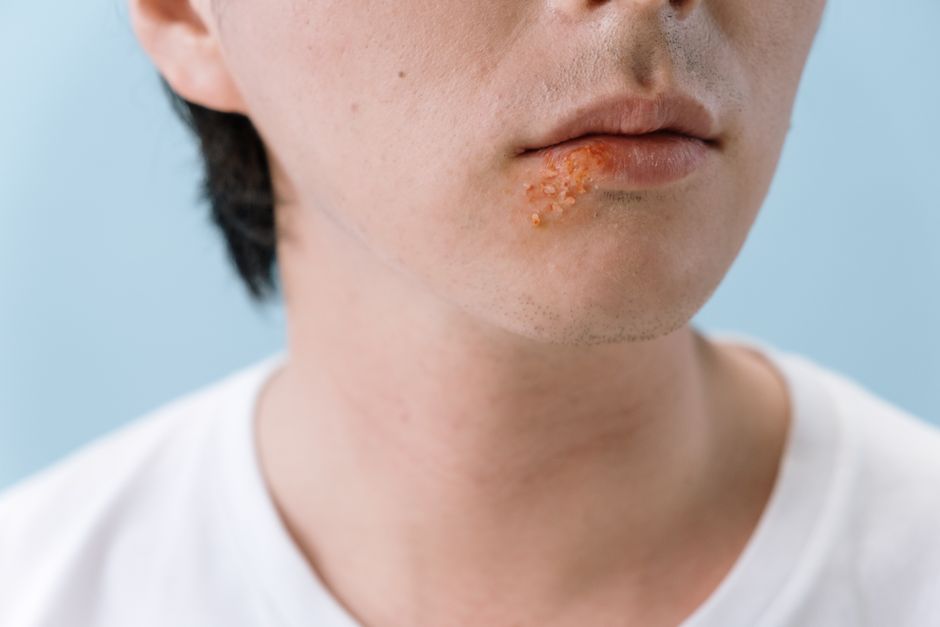
Herpes is a common viral infection, and most people who have it do not know they do. The only way to know for sure if you have herpes is to get a specific blood test or have a healthcare provider swab an active sore. Many people have no symptoms, or the symptoms are so mild they are mistaken for something else like an ingrown hair or a pimple.
What Do Herpes Symptoms Actually Look Like?
Herpes symptoms depend on whether it is your first outbreak or a repeat one. The first outbreak is usually the most severe. It typically shows up within 2 to 12 days after exposure to the virus.
The classic sign is a cluster of small, fluid-filled blisters. These blisters can appear on the genitals, the mouth, or the surrounding skin. After a few days, the blisters burst and leave shallow ulcers or sores. These sores then crust over and heal without leaving a scar.
Before the blisters appear, many people feel a tingling, burning, or itching sensation in the area. This is called a prodrome. It can happen hours or even days before any visible sore shows up.
Not everyone gets blisters. Some people only have a small red bump or a crack in the skin. Others have symptoms that look like a yeast infection or a urinary tract infection. This is why so many cases go unrecognized.
How Do I Know If I Have Herpes Signs And Testing?
The only reliable way to know if you have herpes is through testing. A visual exam alone is not enough. Many other conditions look like herpes, including syphilis, shingles, and even contact dermatitis.
There are two main types of tests. The first is a viral culture or a PCR test. This involves swabbing an active sore. The PCR test looks for the virus’s genetic material and is the most accurate method for an active outbreak.
The second is a blood test. A blood test looks for antibodies, which are proteins your immune system makes to fight the virus. This test can tell you if you have been infected at any point in your life, even if you have never had symptoms.
Blood tests are useful when someone has no visible sores but suspects exposure. However, they cannot tell you where the infection is located. A positive blood test for HSV-1 could mean you have oral herpes, genital herpes, or both.
What Is the Difference Between HSV-1 and HSV-2?
There are two types of the herpes simplex virus. HSV-1 is the most common cause of cold sores around the mouth. HSV-2 is the most common cause of genital herpes. But this is not a strict rule.
HSV-1 can cause genital herpes through oral sex. In fact, some research suggests that HSV-1 is now responsible for a growing number of genital herpes cases, particularly among younger adults.
HSV-2 rarely causes oral herpes. It prefers the genital area. The type of virus you have matters mainly for recurrence rates. Genital HSV-2 tends to recur more often than genital HSV-1. Oral HSV-1 recurs more often than oral HSV-2.
Knowing which type you have helps your doctor talk about what to expect long-term. It also helps with treatment decisions, but the medications for both types are the same.




When Should You Get Tested?
Testing timing matters. If you have an active sore, get it swabbed within 48 hours of it appearing. The virus is most detectable in fresh sores. Old, crusted sores are much harder to test accurately.
For blood tests, timing is also important. Your body takes time to produce antibodies. If you get a blood test too soon after exposure, it can be negative even if you are infected.
Most antibodies appear within 2 to 12 weeks after infection. For the most accurate result, wait 12 weeks after a possible exposure before getting a blood test. Testing earlier risks a false negative result.
If you have symptoms, do not wait. See a healthcare provider right away. A swab test on an active sore is the best way to confirm what is happening.
What Does a Positive Test Result Mean?
A positive test result means you have the virus in your body. It does not mean you are dirty, promiscuous, or careless. Herpes is incredibly common.
The Centers for Disease Control and Prevention estimates that roughly 1 in 6 people aged 14 to 49 in the United States has genital herpes caused by HSV-2. When you add genital HSV-1 cases, the number is higher.
A positive result also does not tell you when you were infected. You might have had the virus for years without knowing. Many people never have a single noticeable outbreak.
Having herpes does not mean you will pass it on. Many couples where one partner has herpes and the other does not stay together for decades without transmission. Condoms, daily suppressive medication, and avoiding sex during outbreaks all reduce the risk significantly.
Can You Have Herpes Without Ever Having Symptoms?
Yes. This is called asymptomatic shedding. The virus can be active and present on the skin without causing any visible sores or symptoms.
Research shows that many people who test positive for herpes have no memory of any outbreak. They may have had a mild rash years ago that they forgot about, or they may have truly never had symptoms.
This is why routine blood testing is the only way to know if you have been exposed. If you have a partner who tests positive, getting tested yourself is a reasonable step even if you feel completely fine.
It is also why sexual partners should have honest conversations about testing history. You cannot rely on the absence of symptoms to know if someone has herpes.
What Happens After You Test Positive?
There is no cure for herpes. The virus stays in your body for life. However, it can be managed effectively.
Antiviral medications like acyclovir, valacyclovir, and famciclovir are used to treat outbreaks. They can shorten the duration of symptoms and reduce severity. Taken daily, they can also reduce the risk of transmitting the virus to a partner.
For most people, outbreaks become less frequent over time. The body builds immunity to the virus, and the immune system gets better at keeping it dormant.
Stress, illness, fatigue, and hormonal changes can trigger outbreaks. Learning your personal triggers can help you manage the condition. Some people find that getting enough sleep and managing stress reduces how often outbreaks occur.
Frequently Asked Questions
Can a blood test tell me where the herpes infection is located?
No. A blood test only tells you that you have been infected with the virus at some point. It cannot tell you whether the infection is oral or genital.
How long after exposure should I wait to get a herpes blood test?
Wait at least 12 weeks after a possible exposure for the most accurate result. Testing earlier can produce a false negative because your body has not yet made enough antibodies.
Can a doctor diagnose herpes just by looking at the sores?
No. A visual exam is not reliable because many other conditions look similar to herpes. A swab test or blood test is required for an accurate diagnosis.
Do I need to tell my partner if I test positive for herpes?
Yes. Honest communication is important for your partner’s health and for maintaining trust. Daily antiviral medication and condoms can significantly reduce transmission risk.
