
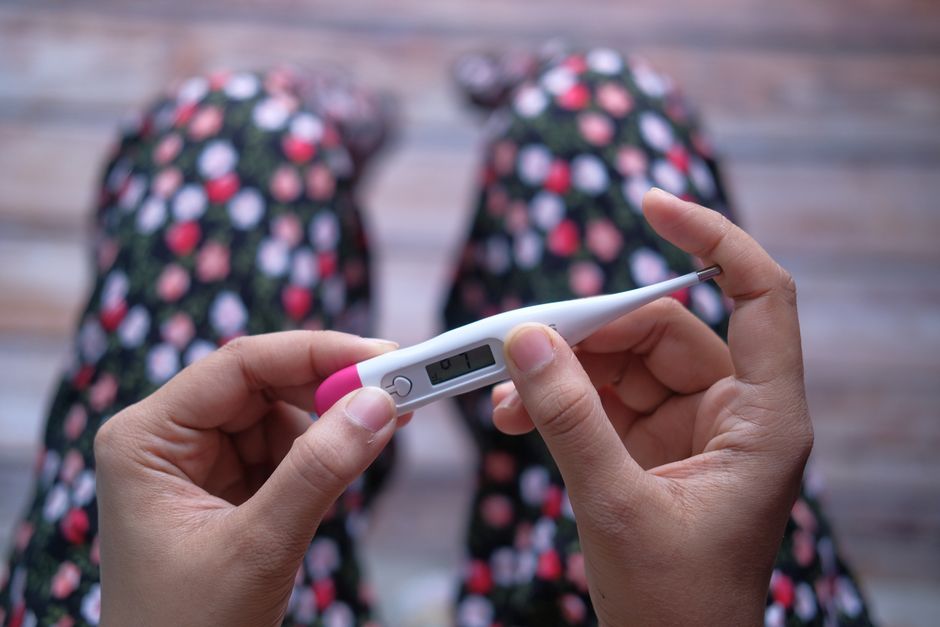
Feeling flushed, achy, and chilled? You probably want to know if you have a fever. The only reliable way to know for sure is to take your temperature with a thermometer. A fever in adults is typically an oral temperature of 100.4°F (38°C) or higher. Common signs include feeling hot to the touch, chills or shivering, sweating, headache, and muscle aches. Pay attention to how you feel — if you are unusually tired or have the shakes, your body is likely fighting an infection.
What Is a Fever and What Temperature Counts?
A fever is not a disease. It is a sign that your immune system is working. Your body raises its internal temperature to help fight off germs. Normal body temperature varies by person, time of day, and measurement method. For most adults, a normal oral temperature ranges from about 97°F to 99°F (36.1°C to 37.2°C).
The standard fever threshold depends on where you take the reading:
- Oral: 100.4°F (38°C) or higher
- Rectal: 100.4°F (38°C) or higher (most accurate, especially in young children)
- Ear (tympanic): 100.4°F (38°C) or higher
- Forehead (temporal artery): 100.4°F (38°C) or higher (may be less reliable)
- Armpit (axillary): 99°F (37.2°C) or higher (reads about 0.5°F to 1°F lower than oral)
These thresholds are widely accepted by medical organizations. Always use the same method consistently to track changes. A single high reading does not always mean a fever — take a second reading after a few minutes to confirm.
How Do I Know I Have a Fever Signs Temps?
Common signs of a fever go beyond the number on a thermometer. You may feel hot or cold, even if the room temperature is normal. Chills and shivering often occur as your body tries to raise its internal temperature. Once the fever breaks, you may sweat heavily as the body cools down.
Other symptoms that often accompany a fever include:
- Headache
- Muscle aches and joint pain
- Fatigue or weakness
- Loss of appetite
- Increased heart rate
- Dehydration (dry mouth, less urine, dark urine)
In children, watch for fussiness, flushed skin, and feeling warm to the touch. Infants may be more irritable or lethargic. Trust your instincts — if your child looks or acts very sick, seek medical advice regardless of the temperature number.
Which Thermometer Is Most Accurate?
Accuracy matters. The most accurate way to measure body temperature is with a rectal thermometer, especially for infants and young children. It is the gold standard because it measures the internal body temperature closest to the core. For older children and adults, an oral thermometer placed under the tongue is very reliable when used correctly — wait 15 to 30 minutes after eating or drinking anything hot or cold.
Ear (tympanic) thermometers are convenient and fairly accurate for ages 6 months and up, but the reading can be affected by earwax or improper placement. Forehead (temporal artery) thermometers are noninvasive and easy to use, but studies show they can be less accurate than oral or rectal readings, especially if the person is sweating. Armpit (axillary) thermometers are the least accurate but can give a reasonable ballpark — just remember they tend to read lower.
Digital thermometers are preferred over glass mercury thermometers for safety. No matter which device you choose, follow the manufacturer’s directions for proper use and cleaning.





When Should You See a Doctor for a Fever?
Most fevers are harmless and resolve on their own within a few days. However, certain situations need medical attention. For adults, see a doctor if:
- Your fever is 103°F (39.4°C) or higher and does not come down with rest and fluids
- Your fever lasts more than three days
- You have a severe headache, stiff neck, rash, confusion, or difficulty breathing
- You have had a seizure (fit) associated with the fever
- You have a serious medical condition (like heart disease, diabetes, or a weakened immune system)
For infants under 3 months, any fever of 100.4°F (38°C) or higher is a medical emergency — call your pediatrician or go to the emergency room immediately. For children aged 3 to 6 months, a fever of 102°F (38.9°C) or higher, or a fever accompanied by extreme fussiness, lethargy, or trouble breathing, warrants a call to the doctor. For children over 6 months, worse symptoms or fever lasting more than three days means a medical check-up.
Is a Fever Always Dangerous?
No — most fevers are not dangerous. In fact, fever is a natural part of the immune response that helps your body fight off viruses and bacteria. A temperature up to about 104°F (40°C) in a healthy adult is usually not harmful. The brain has a thermostat that prevents most fevers from reaching dangerous levels.
So-called “fever phobia” leads many people to treat every temperature above 100°F with medicine. But lowering a mild fever may actually prolong an infection. The goal is comfort, not a normal temperature. Only if the person is very uncomfortable, has an underlying medical condition, or the fever is very high (above 104°F in adults, or above 102°F in children with concerning symptoms) should fever-reducing medication be used.
Extremely high fevers — above 105°F (40.6°C) in adults — can be more serious and may need medical evaluation. Fevers above 107.6°F (42°C) can cause brain damage, but this is extremely rare from common illnesses and usually results from environmental heat stroke or certain drug reactions, not a typical infection.
How to Treat a Fever Safely
The main goal is to keep you or your child comfortable. Rest and drink plenty of fluids — water, clear broth, or electrolyte solutions. Dehydration can worsen fevers. Dress in lightweight clothing and keep the room at a comfortable temperature, not too hot or cold.
If the fever causes significant discomfort or other symptoms like headache or body aches, you can take over-the-counter medications:
- Acetaminophen (Tylenol) — follow label dosing for your weight and age
- Ibuprofen (Advil, Motrin) — follow label dosing for your weight and age; not for infants under 6 months except under medical guidance
Do not give aspirin to children or teenagers because of the risk of Reye’s syndrome, a rare but serious illness. Also avoid “cold baths,” ice packs, or alcohol rubs — these can cause shivering, which actually raises body temperature further and can make you colder and more uncomfortable. Lukewarm sponge baths may help if done gently, but only if the person finds them soothing.
Frequently Asked Questions
Can a fever cause brain damage?
Only at extremely high temperatures above 107.6°F (42°C), which is very rare from a common illness. The body’s internal thermostat normally prevents fevers from reaching that level.
What temperature is too high for a fever?
For adults, a fever above 104°F (40°C) is considered high and warrants attention. Above 105°F (40.6°C), you should contact a medical professional promptly.
Should I take fever-reducing medicine if my temperature is 100.4°F?
Not unless you are very uncomfortable. A mild fever helps your immune system fight infection. Medicine is best used to ease symptoms like body aches or headache, not just to lower the number.
How long should a fever last?
Most fevers from viral infections last 3 to 5 days. If a fever persists beyond 3 days or keeps coming back after being gone, see a doctor to rule out other causes.
