
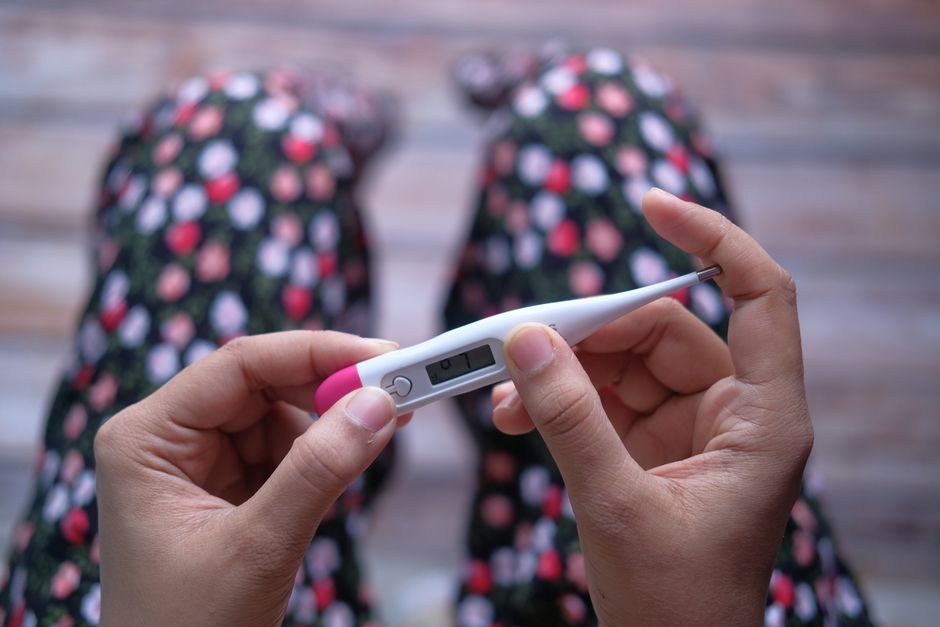
If you have a fever at home, rest, drink plenty of fluids, and take acetaminophen or ibuprofen if you are uncomfortable. A fever is your body’s way of fighting an infection, and most fevers do not need treatment. You should only treat a fever if it is making you feel miserable, not because of the number on the thermometer. For adults, seek medical help if your fever reaches 103°F (39.4°C) or higher, lasts more than three days, or comes with severe symptoms like trouble breathing, chest pain, or confusion.
What Should I Do If I Have A Fever At Home?
The first step is to confirm you actually have a fever. A normal body temperature ranges from 97°F to 99°F depending on the time of day and how you measure it. Most doctors define a fever as a temperature of 100.4°F (38°C) or higher.
Once confirmed, focus on comfort and hydration. Drink water, clear broth, or electrolyte drinks. Avoid alcohol and caffeine because they can dehydrate you. Rest as much as possible. Your body is using extra energy to fight off whatever is causing the fever.
If you feel cold or have chills, add a light blanket. If you feel too hot, remove extra layers. The goal is not to “sweat out” the fever. That is an old myth that does not work and can make dehydration worse.
Should You Take Medicine to Lower a Fever?
Research shows that treating a fever does not help you recover faster. A review published in the Journal of the Royal Society of Medicine found that fever-lowering drugs do not shorten the duration of most infections. The fever itself is part of your immune response. It helps your body kill viruses and bacteria.
That said, you do not have to suffer. If your fever is causing headache, muscle aches, or general misery, taking acetaminophen (Tylenol) or ibuprofen (Advil, Motrin) is safe for most adults. Follow the dosing instructions on the bottle. Do not take more than recommended, and do not combine multiple products that contain acetaminophen, which is in many cold and flu medicines.
Aspirin is effective but should not be given to children or teenagers with a fever because of the risk of Reye’s syndrome, a rare but serious condition. For adults, aspirin is fine but often causes more stomach upset than other options.
How to Take Your Temperature Accurately
Many people use the wrong method and get misleading numbers. The most accurate way to measure temperature at home is with a digital oral thermometer. Place it under your tongue, close your mouth, and wait until it beeps.
Ear thermometers and forehead (temporal artery) thermometers are convenient but less reliable. The American Academy of Pediatrics recommends rectal thermometers for infants under three months because they give the most accurate reading. For older children and adults, oral is best.
Avoid using glass mercury thermometers. They can break and release toxic mercury. Most home thermometers sold today are digital and safe.
| Method | Accuracy | Best For |
|---|---|---|
| Oral (digital) | High | Adults and older children |
| Rectal (digital) | Highest | Infants under 3 months |
| Ear (tympanic) | Moderate | Quick checks in adults |
| Forehead (temporal) | Moderate | Screening, not diagnosis |
| Under armpit (axillary) | Low | Only when no other method available |




When Is a Fever Dangerous?
For most healthy adults, a fever alone is not dangerous until it reaches 103°F (39.4°C) or higher. At that point, the risk of heat-related complications increases. If your fever hits 104°F (40°C) or above, seek medical attention promptly.
For children, the thresholds are different. Call a doctor if your child is under three months old and has a temperature of 100.4°F (38°C) or higher. For children three months to three years, call if the fever is 102°F (38.9°C) or higher and lasts more than a day.
Watch for warning signs that need emergency care. These include severe headache, stiff neck, confusion, difficulty breathing, chest pain, persistent vomiting, or a rash that does not fade when pressed. These symptoms can indicate serious infections like meningitis or sepsis.
What Not to Do When You Have a Fever
Some common fever remedies are not helpful and can be harmful. Do not take a cold bath or apply ice. This can cause shivering, which actually raises your core temperature. A lukewarm sponge bath may help if you are very uncomfortable, but only use water that feels neutral to your skin, not cold.
Do not bundle up in heavy blankets. This traps heat and can make your fever worse. If you have chills, use a single light blanket until they pass.
Do not alternate between acetaminophen and ibuprofen unless a doctor specifically tells you to. This practice increases the risk of accidentally overdosing on one or both medications. Stick to one medicine and take it on schedule if needed.
Do not use antibiotics. Fevers are usually caused by viruses, and antibiotics only work against bacteria. Taking them when you do not need them contributes to antibiotic resistance.
- Rest, do not exercise. Physical activity raises body temperature further.
- Stay home from work or school. You are likely contagious.
- Monitor your temperature every 4-6 hours if you feel worse.
- Keep a record of your fever and symptoms in case you need to see a doctor.
Common Misconceptions About Fever
Many people believe that a high fever means a serious illness. This is not always true. A mild infection can cause a high fever in some people, and a serious infection can cause a low fever in others. The fever number alone does not tell you how sick you are.
Another myth is that you must bring a fever down to normal. That is unnecessary. Lowering a fever by just 1-2 degrees can make you feel much better while still allowing your immune system to work.
Some people think that fever causes brain damage. This is extremely rare. Brain damage from fever only happens when body temperature exceeds 107.6°F (42°C), which is almost never caused by infection alone. Heat stroke or being trapped in a hot car can reach that level, but a typical fever from illness will not.
What to Eat and Drink During a Fever
Hydration is more important than food. When you have a fever, your body loses water through sweating and faster breathing. Drink small amounts often rather than large amounts at once. Water is fine, but electrolyte drinks like sports drinks or oral rehydration solutions replace lost minerals better.
If you have an appetite, eat light foods that are easy to digest. Soups, broths, crackers, toast, and rice are good options. Avoid heavy, fatty, or spicy foods that can upset your stomach.
The old advice “feed a cold, starve a fever” is not supported by evidence. Eat if you are hungry. Do not force food if you are not. Your body will tell you what it needs.
Frequently Asked Questions
How often should I check my temperature during a fever?
Check every four to six hours if you feel worse. Checking too often does not help and can cause unnecessary worry.
Can I take a shower with a fever?
A lukewarm shower is fine if you feel up to it. Avoid hot or cold water because both can stress your body.
Is it safe to sleep with a fever?
Yes, sleep helps your body recover. Keep your room at a comfortable temperature and use light bedding.
When should I go to the ER for a fever?
Go if you have trouble breathing, chest pain, confusion, a stiff neck, or a fever over 104°F that does not come down with medicine.
