
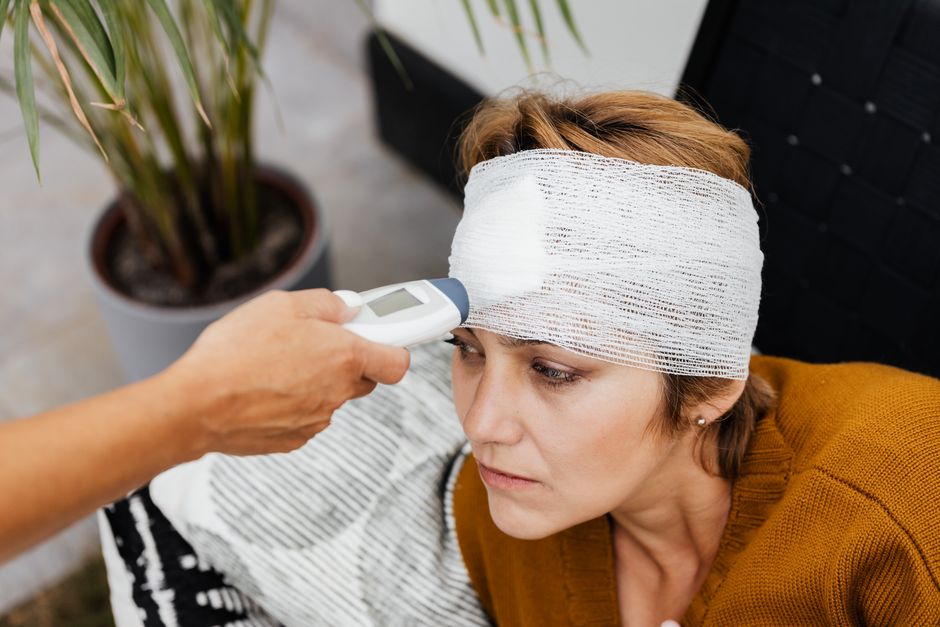
Being in the heat with a fever is not just uncomfortable — it can be dangerous. Your body is already working hard to cool itself down. Adding more heat from the environment makes that job harder. For most people, the combination of fever and high heat raises the risk of dehydration, heat exhaustion, and worsening of the underlying illness. The safest choice is to stay in a cool, well-ventilated space until the fever breaks.
What Happens to Your Body When You Have a Fever in the Heat?
A fever is your body raising its internal temperature to fight an infection. Your thermostat — the hypothalamus in your brain — sets a higher target. Muscles shiver to generate heat. Blood vessels constrict to keep heat in. This is energy-intensive work.
When you add environmental heat, your body gets conflicting signals. It wants to stay hot to fight the infection. But it also needs to shed heat to prevent organ damage from overheating. This conflict strains your cardiovascular system. Your heart pumps harder. You sweat more. You lose fluids and electrolytes faster.
Research published in the Journal of Applied Physiology shows that even mild dehydration impairs the body’s ability to regulate temperature. With a fever and heat combined, dehydration happens much faster than most people expect.
Is It Bad To Be In The Heat With A Fever for Children and Older Adults?
Children and older adults have less efficient temperature regulation systems. For them, the risks are higher and the margin for error is smaller.
Infants and young children have a larger surface area relative to their body weight. This means they gain heat from the environment faster than adults do. Their sweat glands are also not fully developed. A child with a fever in a hot room can reach dangerous internal temperatures in minutes, not hours.
Older adults often have reduced sweat response and less efficient circulation. Many take medications that affect temperature regulation or hydration. Diuretics for blood pressure, for example, increase fluid loss. Antihistamines and some antidepressants reduce sweating. For someone over 65 with a fever, being in the heat is a real concern, not just a discomfort.
What Are the Specific Risks of Heat Exposure During a Fever?
Three main risks stand out, and they can happen together.
- Dehydration accelerates. Fever increases fluid loss through sweat and faster breathing. Heat adds more sweat loss. Together, they can drop your fluid levels quickly. Severe dehydration leads to dizziness, confusion, and kidney stress.
- Heat exhaustion becomes more likely. Symptoms include heavy sweating, weakness, cold clammy skin, nausea, and fainting. These can mimic or mask worsening infection symptoms, making it hard to tell what is actually happening.
- Heat stroke is possible in extreme cases. If your body temperature rises above 104°F (40°C) and you cannot cool down, heat stroke sets in. This is a medical emergency. It causes confusion, loss of consciousness, and organ failure. Fever alone rarely reaches this level, but fever plus environmental heat can push you over the edge.
The CDC reports that heat stroke kills over 600 people in the United States each year. Most cases involve people who were already ill or had a fever.





How Does Fever and Heat Compare to Fever and Cold?
Many people wonder whether cold exposure is better than heat when sick. The answer is not as simple as it sounds.
| Condition | Effect on Body | Risk Level with Fever |
|---|---|---|
| Hot environment (above 85°F) | Raises core temperature, increases fluid loss, strains heart | High risk for dehydration and heat illness |
| Mildly cool room (65-72°F) | Helps dissipate heat, reduces cardiovascular strain | Low risk, generally safe |
| Cold environment (below 60°F) | Can cause shivering, which generates more heat | Moderate risk — shivering raises temperature |
| Cold bath or ice pack | Rapid cooling, can cause shivering and skin vasoconstriction | Not recommended for fever — can overshoot cooling |
The sweet spot is a cool but not cold room. Avoid extremes in either direction. Your body needs to regulate without fighting the environment.
What Should You Do If You Have a Fever and It Is Hot Outside?
First, stay indoors in an air-conditioned space if possible. Fans can help, but when the air temperature is above 95°F, fans actually blow hot air onto your body and can increase heat gain. The World Health Organization advises against using fans in extreme heat conditions.
Hydrate with water or electrolyte drinks. Sip slowly rather than gulping. Your body absorbs fluids better when you drink steadily over time. Avoid sugary drinks and caffeine. They can worsen dehydration.
Remove excess clothing. Lightweight, loose-fitting cotton helps sweat evaporate. Do not bundle up even if you feel chills. Chills are part of the fever cycle and bundling only raises your temperature further.
Take fever-reducing medication if your doctor has recommended it. Acetaminophen (Tylenol) and ibuprofen (Advil) lower the body’s temperature set point. They do not cure the infection, but they make the fever less taxing on your system. Follow dosing instructions carefully — overdosing on acetaminophen can cause liver damage.
If your fever goes above 103°F (39.4°C) and does not respond to medication, or if you feel confused, cannot keep fluids down, or stop sweating despite being hot, seek medical care immediately.
Common Misconceptions About Fever and Heat
One widespread myth is that sweating out a fever helps you recover faster. This is not supported by evidence. Sweating does not eliminate the infection. It is a cooling mechanism your body uses when it is already too hot. Forcing yourself to sweat by sitting in a hot room or using heavy blankets raises your core temperature and can make you feel worse.
Another misconception is that a fever itself is dangerous and must always be treated. Most fevers between 100.4°F and 102°F are not harmful and may help your immune system fight the infection. The danger comes from the combination of fever and heat, not the fever alone.
Some people believe that taking a cold shower will bring down a fever quickly. This is risky. Cold water causes shivering, which generates heat and raises internal temperature. It also constricts blood vessels near the skin, trapping heat inside. Lukewarm water — around 85°F — is safer for cooling without triggering the body’s heat-conservation response.
Frequently Asked Questions
Can being in the heat make a fever worse?
Yes. Environmental heat adds to your body’s heat load, making it harder to regulate temperature. This can raise your core temperature higher than the fever alone would.
Is it safe to sleep in a hot room with a fever?
No. Sleeping in a hot room increases dehydration risk and prevents your body from cooling down. Keep the room cool, ideally between 65 and 72 degrees Fahrenheit.
Should I take a cold bath if I have a fever?
No. Cold baths can cause shivering, which raises body temperature. Lukewarm water is safer and more effective for gentle cooling.
How much water should I drink with a fever in hot weather?
Drink small amounts frequently. Aim for at least 8 ounces every hour. If you are sweating heavily, consider an electrolyte drink to replace lost minerals.
