
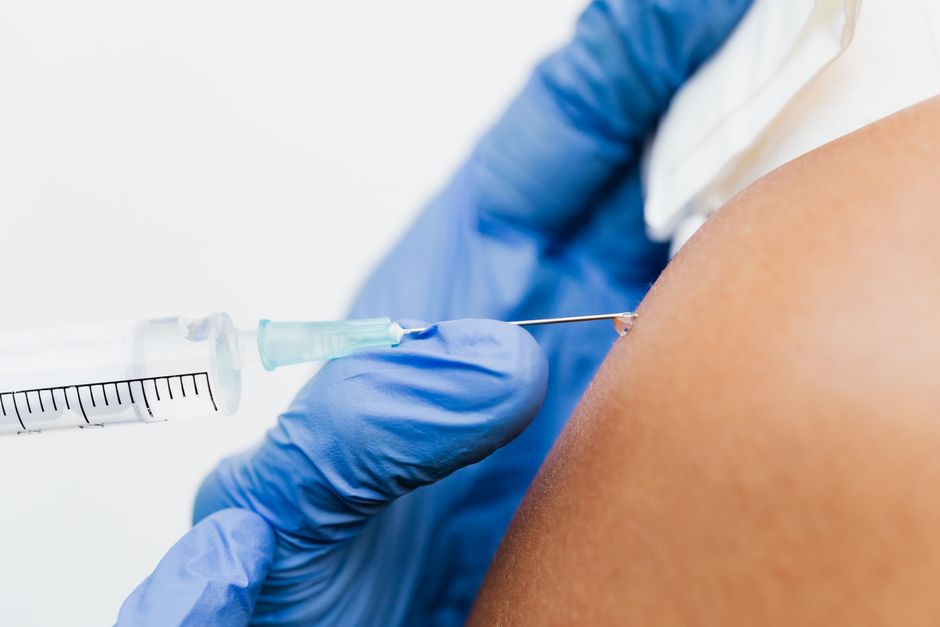
Platelet-rich plasma (PRP) therapy for the hip is a same-day procedure, but the recovery process takes time. Immediately after the injection, you can expect mild soreness and stiffness in the hip. Over the next few days, that soreness may peak before it starts to ease. Most people return to desk work within 24 to 48 hours, but full recovery—and the point where you might feel the benefit—takes several weeks. The actual outcome depends on why you received the injection, whether it was for osteoarthritis, a tendon injury, or another condition.
What Happens Immediately After The Injection?
The first hour after a PRP injection is usually straightforward. You will likely sit in a recovery area for 15 to 30 minutes so the clinic can monitor you for any immediate reaction. Some people feel a dull ache or pressure in the hip joint. That is normal and expected.
You should not drive yourself home if the injection was guided by ultrasound or X-ray and involved any sedation. Even without sedation, driving is often uncomfortable because pressing the pedals works the hip muscles. Arrange for a ride if you have any doubt.
Ice is your main tool in the first 24 hours. Apply an ice pack wrapped in a thin cloth to the injection site for 15 to 20 minutes at a time, several times a day. This helps control local swelling and pain. Do not place ice directly on the skin.
How Long Does Soreness Last?
Expect the hip to feel worse before it feels better. The injected platelet concentrate triggers a controlled inflammatory response in the tissue. That inflammation is the point of the treatment—it signals your body to start the repair process. But it also means pain and stiffness.
Most people report the soreness peaks between day two and day four after the injection. This is sometimes called a “flare response.” The intensity varies widely. Some people describe it as a deep ache similar to a hard workout. Others report more significant pain that requires them to limit walking for a few days.
The flare usually settles within one to two weeks. If the pain is severe, or if you develop redness, fever, or warmth spreading beyond the injection site, contact your doctor. Those symptoms could indicate an infection, which is rare but requires prompt attention.
What Are The Restrictions During Recovery?
Your doctor will give you specific restrictions based on what was injected. But some general rules apply to most hip PRP protocols.
- Avoid anti-inflammatory medications such as ibuprofen, naproxen, or aspirin for at least two weeks after the injection. These drugs block the inflammatory response that PRP is trying to create. Acetaminophen (Tylenol) is usually acceptable for pain, but confirm this with your doctor first.
- Limit weight-bearing activity for the first 48 to 72 hours. Walking to the bathroom or around the house is fine. Long walks, stairs, and standing for extended periods should be minimized.
- Do not exercise the hip for at least the first week. After that, your doctor may clear you for gentle range-of-motion exercises. No running, jumping, or heavy lifting until your doctor says otherwise.
- Avoid alcohol for 48 hours after the injection. Alcohol can interfere with the healing response and increase the risk of bleeding at the injection site.
These restrictions exist because the injected platelets need time to settle into the tissue and release growth factors. Moving too much too soon can disperse the concentrate before it has done its work.


When Can You Return To Work And Normal Activity?
Returning to work depends on what you do. If you have a desk job, you can often return in one to two days, though sitting for long periods may make the hip stiff. Get up and walk briefly every hour.
For physical jobs—construction, nursing, warehouse work—plan on at least one to two weeks off. Your doctor will need to clear you before you return to heavy lifting or prolonged standing.
Returning to exercise follows a gradual progression. A typical timeline looks like this:
- Week 1: Rest, ice, and gentle movement only.
- Weeks 2 to 4: Walking, stationary cycling with low resistance, and stretching as tolerated.
- Weeks 4 to 6: Strengthening exercises, light resistance training, and longer walks.
- Weeks 6 to 12: Progressive return to sport-specific or job-specific activities.
This timeline is a general guide. Your actual timeline depends on your starting condition, your age, and how your body responds. Some people progress faster. Some need more time. Your doctor should give you a personalized schedule.
When Will You Feel The Benefit Of The Injection?
PRP is not an immediate fix. The growth factors in the platelets stimulate your body’s own repair cells, but those cells take time to build new tissue. Most people do not feel meaningful improvement until three to six weeks after the injection.
Some studies suggest the full effect may take three to six months to develop. This is especially true for osteoarthritis, where the goal is to reduce inflammation and improve joint function over time rather than produce instant pain relief.
It is also possible to feel a temporary improvement in the first week simply because the local anesthetic used during the procedure has worn off unevenly. Do not judge the success of the injection based on the first two weeks. The flare response can mask any early benefit.
What Are The Risks And Side Effects?
PRP is generally considered a low-risk procedure because it uses your own blood. The main risks are:
- Infection: Rare, but possible whenever a needle enters the body. Signs include fever, increasing redness, warmth, or pus at the injection site.
- Increased pain: The flare response can be more painful than your original symptoms for some people. This usually resolves within two weeks.
- Nerve irritation: The injection is placed near nerves in the hip region. Temporary numbness or tingling can occur but typically resolves.
- No benefit: PRP does not work for everyone. Studies show variable response rates, and some people get no improvement at all.
Serious complications are uncommon. Bleeding, nerve damage, and joint infection are all possible but rare when the procedure is performed by an experienced clinician using image guidance.
What To Expect After A Prp Injection In The Hip: Realistic Outcomes
The honest answer is that outcomes vary. Research on PRP for hip osteoarthritis shows mixed but generally positive results. Some studies report significant pain reduction and improved function. Others show little difference compared to placebo injections.
For hip tendon injuries, such as gluteal tendinopathy, the evidence is less robust. Some patients improve substantially. Others do not. No large clinical trial has definitively proven that PRP outperforms a well-structured physical therapy program for these conditions.
What does the evidence consistently show? PRP appears to be safe, and it may help some people avoid or delay surgery. But it is not a guaranteed cure. If your doctor recommends PRP, ask what outcome they expect based on your specific diagnosis and imaging findings.
One important point: PRP is not a substitute for addressing the underlying cause of your hip pain. If your pain comes from muscle weakness or poor movement patterns, the injection alone will not fix that. A rehabilitation program is usually necessary to maintain any benefit.
What Can You Do To Improve Your Results?
Your behavior after the injection matters as much as the injection itself. The first two weeks set the stage for tissue healing.
Stay hydrated. Your blood plasma and platelets function better when you are well hydrated, and dehydration can affect tissue repair.
Eat a balanced diet with adequate protein. Protein provides the amino acids your body needs to rebuild damaged tissue. Aim for a normal, healthy diet rather than any special supplement regimen.
Sleep is critical. Growth hormone, which supports tissue repair, is released primarily during deep sleep. Prioritize seven to nine hours of quality sleep per night during your recovery.
Follow your rehabilitation program. If your doctor or physical therapist gives you exercises, do them as prescribed. The injection creates the opportunity for healing, but the exercises help your body use that opportunity effectively.
When Should You Call Your Doctor?
Contact your doctor if you experience any of the following after your injection:
- Fever over 100.4°F (38°C)
- Increasing redness, warmth, or swelling around the injection site
- Severe pain that does not improve with ice and rest
- Numbness or weakness in the leg that does not resolve
- Inability to bear weight on the affected leg
These symptoms are uncommon, but they warrant a professional evaluation. Do not wait to see if they resolve on their own.
Frequently Asked Questions
Can I walk after a PRP injection in my hip?
Yes, but limit walking to essential movement for the first 48 to 72 hours. Short walks around the house are fine; long walks or stairs should be avoided.
How long does hip pain last after PRP injection?
Most people experience soreness that peaks between day two and day four and settles within one to two weeks. Some people have a longer flare response lasting up to three weeks.
Can I take painkillers after PRP injection?
Avoid anti-inflammatory drugs like ibuprofen and naproxen for at least two weeks because they interfere with the healing response. Acetaminophen is usually acceptable, but confirm with your doctor first.
When can I exercise after a hip PRP injection?
No exercise for the first week. Gentle walking and stretching may begin in week two, with progressive strengthening from week four onward, pending your doctor’s approval.
