
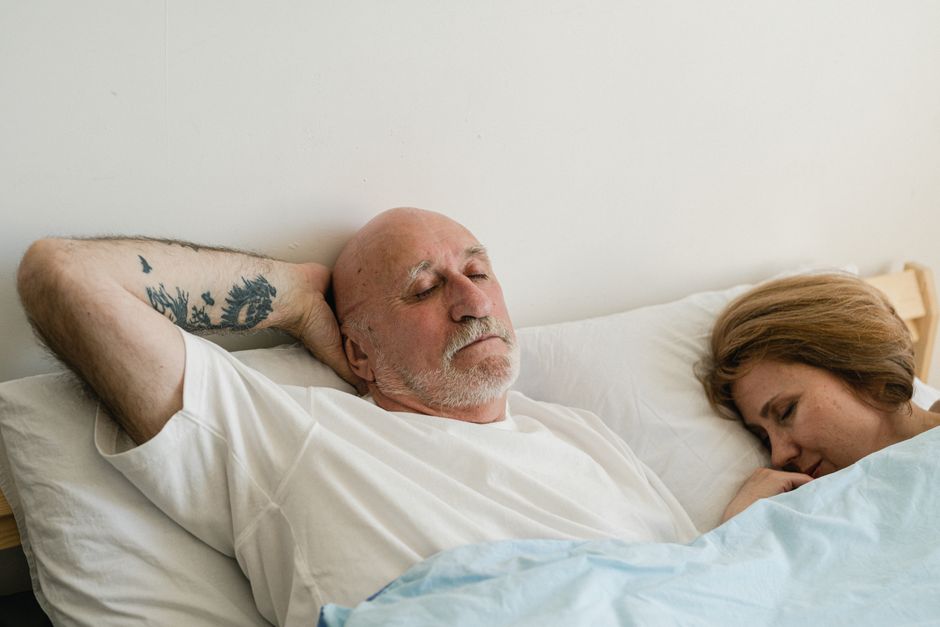
A home sleep apnea test lets you sleep in your own bed while sensors record your breathing, oxygen levels, and heart rate. You pick up the device from a clinic or receive it by mail, set it up before bed, sleep one night, and return it the next morning. A sleep clinician then reviews the recording to look for signs of sleep apnea. It is simpler than a lab study, but it measures less, and that difference matters.
How Do Home Sleep Studies Work What To Expect?
Most home studies are designed to test for one condition: obstructive sleep apnea. That is the disorder where the upper airway repeatedly collapses during sleep, cutting off airflow for short stretches. The device does not test for insomnia, restless legs, narcolepsy, or most other sleep problems.
Home testing has become common because it is convenient and less expensive than an overnight stay in a sleep lab. But it is not right for everyone. Understanding what the device does and does not capture helps you know what your results can and cannot tell you.
What Devices Are Used and What Do They Measure?
A home sleep apnea test is a small portable unit, usually worn on a strap around your chest, with a few attachments. The exact setup varies by device, but most record three core signals.
- Breathing effort and airflow. A chest band or nasal sensor tracks how hard you are breathing and whether air is moving.
- Blood oxygen. A small clip or probe on your finger measures oxygen saturation. Drops in oxygen are a key sign of apnea events.
- Heart rate and body position. Some devices also record these to give context to breathing patterns.
Some devices add a sensor for snoring or a limited measure of sleep position. Most do not measure brain waves, which is the standard way to tell whether you are actually asleep versus lying awake. That limitation matters when interpreting the results.
What Happens From Pickup to Results?
The process usually follows a predictable sequence. Specific steps vary by clinic and device, so follow the instructions you are given.
Before the night. A clinician or technician shows you how to wear the device, or you receive written or video instructions. Some clinics ask you to complete a questionnaire about your sleep and daytime symptoms.
The night of the test. You set up the device at home and sleep as normally as you can. You typically record your bedtime and wake time, and note anything unusual, such as a night of poor sleep or a device that slipped.
Return and review. You return the device the next morning or ship it back. A sleep clinician reviews the recording and writes a report. Results usually take a few days to a couple of weeks, depending on the service.

How Is a Home Study Different From a Lab Study?
An overnight sleep study in a lab, called polysomnography, is the more thorough test. It records brain waves, eye movements, muscle activity, breathing, oxygen, heart rhythm, and leg movements. That lets a clinician measure sleep stages, total sleep time, and many sleep disorders in a single night.
A home study captures far less. It cannot reliably measure how long you actually slept, distinguish sleep stages, or detect conditions like periodic limb movements or certain parasomnias. Its strength is convenience and lower cost for the specific question of sleep apnea.
| Feature | Home Sleep Apnea Test | Lab Polysomnography |
|---|---|---|
| Where it happens | Your own bed | Sleep lab |
| Brain wave recording | Usually no | Yes |
| Measures sleep stages | No | Yes |
| Detects sleep apnea | Yes, in many cases | Yes |
| Detects other sleep disorders | Limited | Broad |
| Supervision overnight | None | Technician present |
Who Is a Good Candidate and Who Is Not?
Home testing is generally considered appropriate for adults with a moderate to high likelihood of obstructive sleep apnea and no other major medical concerns that would complicate interpretation. Guidelines from sleep medicine organizations support home testing in this group when a lab study is not necessary or not available.
Home testing is generally not recommended in certain situations. These include suspected central sleep apnea, significant heart or lung disease, neuromuscular disease, and cases where the results would be hard to interpret. It is also not the standard approach for children. No clinical guidelines currently support home sleep apnea testing as a routine substitute for lab studies in children.
If your clinician suspects something other than sleep apnea, or if a home test comes back negative but your symptoms persist, a lab study may still be needed.
What Do the Results Mean?
The main number in a home study report is the apnea-hypopnea index, or AHI. It estimates how many times per hour your breathing slows or stops. A higher number points to more severe sleep apnea.
One important caveat: because home devices usually cannot confirm how long you actually slept, the AHI from a home test is often calculated against recording time rather than true sleep time. That can make the number less precise than a lab result. Clinicians interpret it with that in mind.
Results are usually grouped into categories such as none, mild, moderate, or severe. Your clinician combines the number with your symptoms, such as daytime sleepiness, and your medical history. A test result alone does not decide treatment.
What Are the Limitations and Common Problems?
Home studies can fail or give incomplete data. Sensors come loose. A nasal cannula falls off. You sleep poorly because the equipment is unfamiliar. When too much of the recording is unusable, the test may need to be repeated.
There is also a known issue with negative results. A home test that does not show sleep apnea does not always rule it out. If the recording was short or you slept little, the test may simply have missed the problem. This is why a negative home test in someone with strong symptoms should prompt a conversation about further testing.
No clinical evidence currently confirms that a single home study is as accurate as a lab study for every person. For straightforward cases of suspected obstructive sleep apnea, the evidence supports its use. For complicated cases, it does not.
What Should You Do Before and During the Test?
Follow the setup instructions closely. A few practical steps reduce the chance of a failed recording.
- Keep your normal sleep schedule on the night of the test as much as possible.
- Avoid alcohol, which can worsen sleep apnea and change your breathing patterns.
- Check that all sensors are attached and the device is on before you sleep.
- Note your bedtime and wake time, and record anything unusual.
- Return or ship the device as instructed so the data is not lost.
Do not change any medication without talking to your clinician first. If you use oxygen or a breathing device at home, ask how it should be handled during the test.
What Happens After the Results?
If the study shows sleep apnea, your clinician will discuss options. These can include lifestyle changes, a device that keeps the airway open during sleep, an oral appliance, or in some cases surgery. The right choice depends on the severity, your symptoms, and your health.
If the study is negative but you still have symptoms, tell your clinician. Further evaluation, including a lab study, may be appropriate. The test is a tool, not the final word.
Frequently Asked Questions
How long does a home sleep study take?
The recording itself is one night, usually six to eight hours depending on how long you sleep. Results typically come back within a few days to a couple of weeks.
Can I sleep on my side during a home sleep study?
Yes, you should sleep in your normal position. Some devices track body position, and sleeping as you usually do gives the most useful information.
Does a home sleep study diagnose sleep apnea?
It can identify signs of obstructive sleep apnea, and a clinician uses those results along with your symptoms to make a diagnosis. It is not designed to detect most other sleep disorders.
What if my home sleep study is negative?
A negative result does not always rule out sleep apnea, especially if the recording was incomplete or you slept poorly. If symptoms continue, ask your clinician about further testing such as a lab study.
