
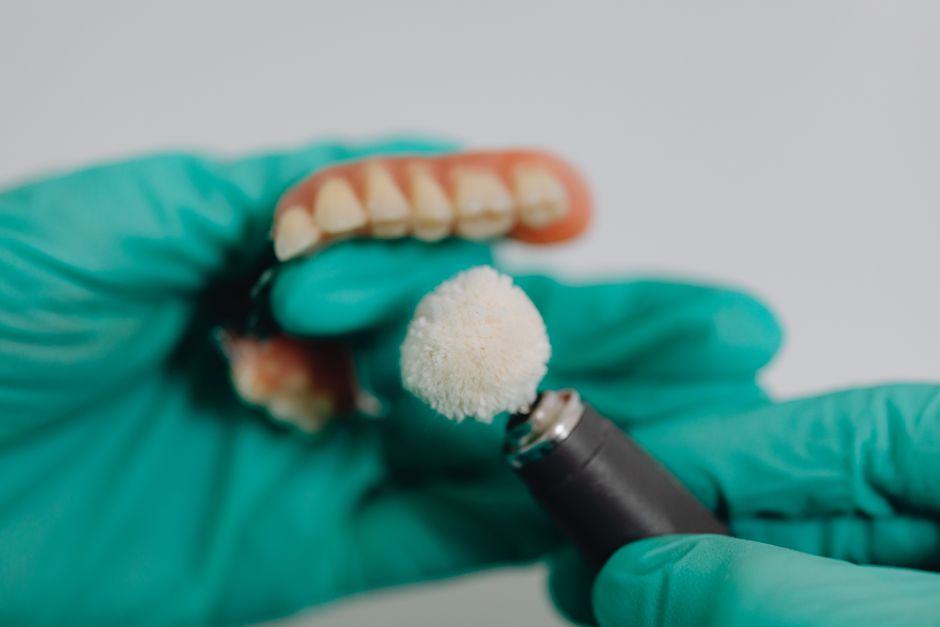
Dentures replace missing teeth with a removable appliance that sits on the gums, and how they look depends on the type you wear, how well they fit, and how they change the shape of your face. A full set replaces all teeth in an arch, while a partial fills in gaps between remaining teeth. Well-made dentures are designed to restore the look of natural teeth and support the lips and cheeks. But they do not look or feel exactly like your original teeth.
How Do Dentures Look Compared to Natural Teeth?
Modern dentures look considerably more natural than the dentures many people picture from decades past. The teeth are made from acrylic resin or porcelain, shaped and colored to resemble natural teeth. The base that holds them is tinted pink to mimic gum tissue.
That said, most people can tell the difference on close inspection. Natural teeth have subtle variations in color, translucency, and wear. Denture teeth are more uniform. The gum-colored base also looks different from real gum tissue, which has visible blood vessels and texture.
From a normal conversational distance, a well-fitted denture is often hard to distinguish from natural teeth. Up close, the differences become clearer. This is not a flaw in the denture. It is simply the limit of what a removable appliance can replicate.
Higher-quality custom dentures generally look more natural than economy options. The dentist or prosthodontist can adjust tooth shade, size, and arrangement to match your face and remaining teeth.
How Do Dentures Change the Shape of Your Face?
Teeth and the bone that supports them give the lower face its structure. When teeth are lost, the jawbone no longer receives the stimulation that keeps it dense. Over time, the bone gradually shrinks. This process is called resorption.
As bone resorbs, the distance between the nose and chin can shorten. The lips may turn inward. The corners of the mouth can droop. The lower face may look collapsed or sunken compared to before tooth loss.
Dentures address this by providing physical support to the lips and cheeks. A properly fitted upper denture fills out the area above the upper lip. A lower denture supports the chin and lower lip. The result is a fuller, more youthful lower face than you would have without teeth.
This support is one of the main reasons dentures matter beyond chewing and speaking. Without them, the facial changes from bone loss can be noticeable over years.
Dentures cannot fully stop bone resorption. The bone continues to change even with a denture in place. This is why dentures may need to be relined or remade over time as the fit changes.
Why Do Dentures Sometimes Look Bulky or Unnatural?
Several things can make dentures look less natural.
- Poor fit. A denture that does not sit correctly can push the lips out too far or sit at the wrong angle.
- Incorrect tooth position. Teeth set too far forward or too far back change the profile of the mouth.
- Wrong shade or size. Teeth that are too white, too large, or too uniform can look artificial.
- Bone loss over time. As the jaw shrinks, an older denture may no longer sit where it once did, changing how the face looks.
- Excessive vertical dimension. If the denture is too tall, it can make the lower face look long and the mouth appear overfilled.
A skilled dentist can often correct these issues by adjusting the denture or making a new one. The goal is to match the natural proportions of your face, not to create a generic smile.




Do Dentures Look Different From Implants or Bridges?
Dentures, bridges, and implants all replace missing teeth, but they look and function differently.
| Option | How it looks | How it stays in place |
|---|---|---|
| Full denture | Replaces all teeth in an arch; rests on gums | Suction, adhesive, or both |
| Partial denture | Fills gaps; clasps onto nearby teeth | Metal or plastic clasps |
| Dental bridge | Fixed; looks like natural teeth | Cemented to adjacent teeth |
| Dental implants | Fixed; most closely mimics natural teeth | Titanium post fused to jawbone |
Implants and bridges are fixed in place and generally look the most like natural teeth because they do not have a removable base. Implants also help preserve jawbone because the post stimulates the bone the way a tooth root does.
Dentures are removable and rest on the gums. They can look very natural, but the removable base and the way they sit on the gums are visible differences. Cost, bone health, and overall health often guide which option a person chooses.
How Do Dentures Affect the Gums?
Dentures rest directly on the gums, so the gum tissue bears the pressure of chewing. This is different from natural teeth, where force travels through the tooth root into the bone.
Well-fitted dentures distribute pressure evenly. Poorly fitted dentures create pressure points that can cause sore spots, irritation, and, over time, chronic inflammation of the gum tissue.
Gum changes are common with dentures. The tissue underneath can become red, swollen, or tender, especially if the denture shifts. Regular dental checkups allow the dentist to adjust the fit before problems worsen.
Good oral hygiene still matters with dentures. Cleaning the dentures daily and keeping the gums and any remaining teeth clean reduces irritation and infection risk. The dentist can advise on the right cleaning routine for your situation.
How Do Dentures Affect Speech and Expression?
Dentures can change how you speak, at least at first. The tongue, lips, and teeth all work together to form certain sounds. When a denture is new, the tongue may need time to adjust to the new shape in the mouth.
Some people notice a slight lisp or difficulty with certain words in the first weeks. This usually improves as the mouth adapts. Reading aloud and practicing difficult sounds can help.
Dentures also affect facial expression. Because they support the lips and cheeks, they can restore a fuller look to the mouth area. Without them, the face may look more aged or sunken.
A denture that is too thick or sits too far back can make speech harder. If speech problems persist, the dentist can check the fit and thickness of the appliance.
What Determines How Natural Your Dentures Look?
Several factors shape the final appearance.
- The dentist’s skill. Tooth selection, placement, and fitting all require experience.
- Your facial structure. Dentures are shaped to match your face, not a template.
- The material. Porcelain and high-quality acrylic generally look more natural than basic options.
- Fit and maintenance. A well-fitting denture looks better and stays comfortable longer.
- Bone condition. More bone loss makes it harder to achieve a natural look and fit.
Custom dentures made from detailed impressions and measurements generally look more natural than mass-produced ones. The extra effort in fitting usually pays off in appearance and comfort.
How Do You Care for Dentures So They Keep Looking Good?
Daily care keeps dentures looking their best and lasting longer.
Handle them carefully. Dentures can break if dropped. Clean them over a folded towel or a basin of water.
Brush them daily with a soft brush and a denture cleaner. Regular toothpaste can be abrasive and scratch the surface over time. Your dentist can recommend a suitable product.
Rinse after meals to remove food particles. Remove them at night unless your dentist advises otherwise, and store them in water or a denture soaking solution so they do not dry out and warp.
Keep your gums and any remaining teeth clean too. A soft brush and, if recommended, a rinse can help. See your dentist regularly so the fit can be checked and adjusted.
When Should You See a Dentist About Denture Appearance or Fit?
See a dentist if your dentures feel loose, cause sore spots, or look different from when you first got them. These changes often signal that the fit has shifted, which is common as the jawbone changes.
Also see a dentist if you notice changes in your facial appearance, such as a sunken look or a change in how your mouth closes. These can be signs that the denture no longer supports your face the way it should.
Do not try to fix dentures yourself. Over-the-counter reline kits and home repairs can damage the appliance and worsen the fit. A dentist can make safe adjustments.
Frequently Asked Questions
Can people tell you are wearing dentures?
From a normal distance, well-made dentures often go unnoticed. Up close, the uniform color of denture teeth and the pink base can be distinguishable from natural teeth and gums.
Do dentures make your face look older or younger?
Dentures usually make the lower face look fuller and more supported than having no teeth, which can look younger by comparison. However, they cannot fully reverse bone loss, and an ill-fitting denture can change the facial profile unfavorably.
Do dentures change the shape of your gums over time?
The gums and the underlying jawbone can change shape over time, especially as bone resorbs. This is why dentures often need to be relined or remade to maintain a good fit.
How long does it take to get used to how dentures look and feel?
Adjustment periods vary widely from person to person, and there is no standard timeline. Some people adapt within weeks, while others take longer, and follow-up visits with a dentist can help address fit and comfort issues.
