
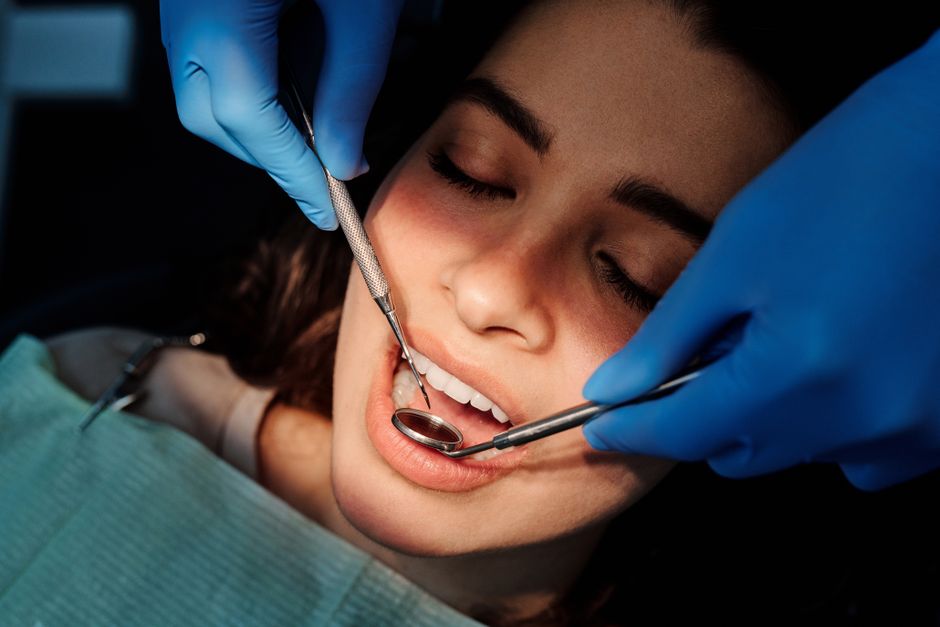
A chipped tooth is one of the most common dental injuries, and the good news is that dentists have several reliable ways to repair it. The exact method depends on the size of the chip, its location, and how much of the tooth structure is missing. In most cases, a dentist can fix a chipped tooth in a single visit using bonding, a crown, or a veneer, though larger breaks may require a custom-made restoration that takes a couple of weeks to prepare.
How Do Dentists Fix A Chipped Tooth: The First Steps
Your visit starts with an examination, not a repair. The dentist will look at the chip and take X-rays to check the root and the bone around the tooth. This step matters because a chip that looks small on the surface can sometimes hide a deeper crack or damage to the pulp, the living tissue inside the tooth.
If the X-rays show the pulp is exposed or the crack extends below the gum line, the treatment plan changes. A simple polish won’t solve that problem. The dentist needs to know the full extent of the damage before choosing a repair method.
Numbness comes next. Most repair procedures require local anesthetic, especially if the dentin layer is exposed. Dentin sits beneath the hard enamel and contains microscopic tubules that lead to the nerve. If the chip reaches dentin, you will likely feel sensitivity to air and temperature until the area is numbed.
What Are The Main Repair Options?
The repair method depends on three factors: the size of the chip, the location of the tooth, and whether the pulp is involved. Here are the standard options a dentist considers.
- Dental bonding: A tooth-colored resin is applied, shaped, and hardened with a curing light. This works best for small to moderate chips on front teeth.
- Porcelain veneer: A thin custom shell covers the front surface of the tooth. This is used when a front tooth has a noticeable chip that bonding cannot adequately mask.
- Crown: A full cap that covers the entire tooth above the gum line. This is the choice for large chips, cracked teeth, or damage to molars that endure heavy chewing forces.
- Onlay or inlay: A partial crown that replaces a specific section of the tooth. This is often used when the chip affects a chewing cusp but the rest of the tooth is sound.
- Root canal and crown: Required when the chip exposes the pulp or the nerve is damaged. The dentist removes the infected or injured pulp, seals the canal, and then places a crown.
Small edge chips that do not affect function or appearance may need no treatment at all. The dentist can simply smooth and polish the rough edge. This is called enameloplasty and takes only a few minutes.
What Happens During Dental Bonding?
Bonding is the most common fix for a chipped front tooth. It is also the fastest, usually completed in 30 to 60 minutes per tooth.
The dentist starts by lightly etching the surface of the tooth with a mild acid gel. This creates a rough texture that helps the bonding material adhere. After rinsing and drying, a bonding agent is painted on. Then the tooth-colored resin is applied in layers.
Each layer is shaped to match the natural contours of your tooth. A curing light hardens the resin. Once the final layer is set, the dentist trims and polishes the material so it blends with the surrounding enamel. The result looks natural because the resin is matched to your tooth shade.
Bonding is durable but not indestructible. It can chip again if you bite hard objects like ice or fingernails. With reasonable care, bonding typically lasts several years before it needs touch-up or replacement.



When Is A Crown Necessary?
A crown becomes necessary when the chip removes a large portion of the tooth. If more than half of the clinical crown is gone, bonding does not have enough structure to hold onto. A crown provides full coverage and protects the remaining tooth from fracturing further.
Crown placement usually requires two visits. At the first visit, the dentist reshapes the tooth to create space for the crown. An impression is taken and sent to a dental laboratory. You receive a temporary crown to wear while the permanent one is being made.
At the second visit, about two weeks later, the dentist removes the temporary and cements the permanent crown. Modern crowns can be made from porcelain, ceramic, zirconia, or metal. Porcelain-fused-to-metal and full ceramic options are common for visible teeth because they match natural color well.
Some dental offices offer same-day crowns using CAD/CAM technology. A camera scans the prepared tooth, and a milling machine carves the crown from a ceramic block while you wait. The entire process takes about two hours.
What If The Chip Exposes The Nerve?
A deep chip that reaches the pulp is a dental emergency. You will likely feel significant pain, especially when drinking something hot or cold. The pulp contains nerves and blood vessels, and once exposed, it is vulnerable to bacterial infection.
In this situation, the dentist performs a root canal before restoring the tooth. The procedure removes the damaged pulp, cleans the inside of the root canal, and seals it with a rubber-like material called gutta-percha. After the root canal heals, a crown is placed to protect the now-brittle tooth.
Skipping the root canal when it is needed leads to infection, abscess, and eventual tooth loss. The pain from an exposed nerve does not resolve on its own. Without treatment, the nerve dies and the infection spreads into the surrounding bone.
Can A Chipped Tooth Be Left Untreated?
A tiny chip that causes no pain and no sharp edges can be left alone. Many people have small enamel chips that never cause problems. Your dentist can confirm during a routine checkup whether a chip is harmless.
Larger chips should not be ignored. A chipped tooth creates a weak point. Chewing forces concentrate at the edge of the break, which can cause the crack to extend deeper over time. This turns a simple bonding case into a crown case, or a crown case into a root canal case.
There is also the risk of damage to the inside of your cheek or tongue. A sharp enamel edge can cause repeated soft tissue irritation. If the chip is on a molar, food can pack into the defect, increasing the risk of decay at the margin.
If you chip a tooth and delay seeing a dentist, rinse your mouth with warm water and apply a cold compress to the outside of your cheek if there is swelling. Over-the-counter pain relievers can manage discomfort. Avoid chewing on the affected side until you are evaluated.
How Much Does It Cost To Fix A Chipped Tooth?
Cost varies significantly by procedure and location. A simple enameloplasty may cost less than a routine exam. Bonding typically costs between $300 and $600 per tooth. A porcelain veneer ranges from $800 to $2,500 per tooth. Crowns are the most expensive option, usually costing between $1,000 and $3,500 depending on the material and the dental practice.
Dental insurance often covers a portion of the cost, especially for crowns and root canals, because these are considered medically necessary restorations. Bonding on front teeth is sometimes covered, but cosmetic-only procedures are frequently excluded. Your dentist’s office can provide a treatment plan and cost estimate before any work begins.
Do not choose a repair based on price alone. A crown on a back molar is more expensive than bonding, but bonding on a chewing surface is likely to fail quickly. The cheapest option is not the most cost-effective one if it needs replacement in a year.
How To Prevent Chipping A Tooth
Some chips are accidents. Falls, sports injuries, and car crashes cannot always be predicted. But many chips are preventable.
Avoid chewing on ice, hard candy, popcorn kernels, and pens. These hard objects are common causes of enamel fractures. Do not use your teeth to open packaging or cut tape. Teeth are for chewing food, not as tools.
If you grind your teeth at night, ask your dentist about a night guard. Bruxism, the clinical term for teeth grinding, weakens enamel over time and makes teeth more prone to chipping. A custom-fitted guard protects your teeth while you sleep.
Untreated cavities also increase chip risk. Decay weakens the tooth structure from the inside, making it more likely to break under normal chewing pressure. Regular checkups catch these problems before they become fractures.
Frequently Asked Questions
Is a chipped tooth a dental emergency?
A small chip without pain is not an emergency, but you should still schedule a dental visit soon. A large chip with pain, bleeding, or a visible pink spot on the tooth requires prompt same-day care.
Can a dentist fix a chipped tooth in one visit?
Yes, bonding and enameloplasty are typically completed in a single appointment. Crowns usually require two visits unless your dentist offers same-day CAD/CAM technology.
Does fixing a chipped tooth hurt?
Your dentist numbs the area with local anesthetic, so the procedure itself should not hurt. You may feel some pressure during the work and mild sensitivity afterward that resolves within a few days.
How long does dental bonding last on a chipped tooth?
Bonding typically lasts between three and ten years with proper care. Its lifespan depends on the size of the repair and your chewing habits.
