
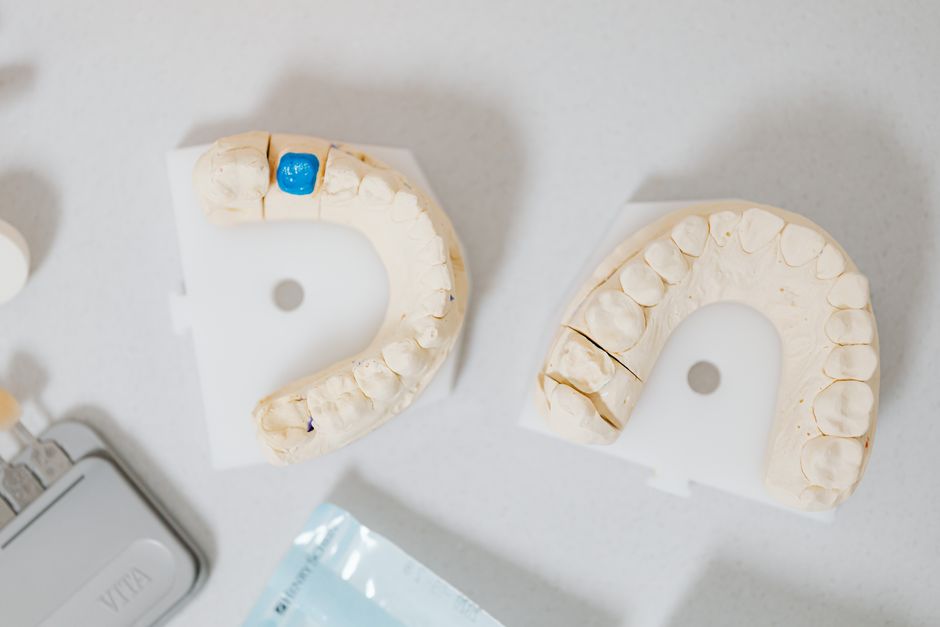
A tooth crown typically costs between $1,000 and $3,500 per tooth in the United States without insurance. The final price depends on the material you choose, your dentist’s location, and whether you need additional procedures like a root canal or core build-up before the crown is placed. Most dental insurance plans cover a portion of the cost, usually paying about 50 percent of the bill for a crown after you meet your deductible.
What Exactly Are You Paying For?
When you receive a quote for a crown, you are not just paying for a piece of porcelain. You are paying for the entire process, which takes at least two visits to the dentist over several weeks.
The bill includes the dentist’s examination, digital X-rays, local anesthesia, tooth preparation, impressions or digital scans, a temporary crown, and the laboratory fees for the permanent crown itself. The lab fee alone typically ranges from $200 to $600 depending on the material. Your dentist’s time and expertise make up the rest.
Some offices charge a separate fee for the “build-up.” This is a filling material placed over a tooth that has lost a significant amount of structure, giving the crown something solid to grip onto. This add-on can cost $150 to $300 extra and is often not covered by insurance.
Porcelain vs. Metal vs. Zirconia: Material Costs Explained
The material you choose is the biggest factor in the final price. Each option has different strengths, appearances, and lifespans.
- Metal crowns (gold or base metal alloys): $1,000 to $2,500. These are incredibly durable and resist wear well. They are often recommended for molars where strength matters more than appearance. Gold crowns cause the least wear to opposing teeth.
- Porcelain-fused-to-metal (PFM): $1,000 to $2,500. These have a metal inner shell covered with porcelain. They look natural but may show a dark line at the gum line over time as gums recede. The porcelain can also chip, revealing the metal underneath.
- All-porcelain or all-ceramic: $1,200 to $3,000. These offer the best cosmetic match to your natural teeth. Modern materials like lithium disilicate are strong enough for front and back teeth. They are a top choice when appearance is your priority.
- Zirconia: $1,200 to $3,500. Zirconia is a very strong white ceramic. It is more durable than traditional porcelain and is increasingly popular for molars. Full-contour zirconia crowns are strong but can look slightly opaque. Layered zirconia looks more natural but costs more.
Ask your dentist which material they recommend for your specific tooth. A front tooth needs different properties than a back molar that handles heavy chewing forces.
Why Location and Dentist Experience Change the Price
Where you live has a direct effect on what you pay. Dental fees follow the cost of living and local market rates. A crown in New York City or San Francisco can easily cost 50 percent more than the same crown in a smaller Midwestern city.
Your dentist’s training and reputation also matter. A general dentist with decades of experience and advanced training in cosmetic dentistry may charge more than a newer practitioner. A prosthodontist, who is a specialist in tooth restoration, will also charge a premium for their expertise.
This does not mean the most expensive dentist is always the best choice. It means you should compare quotes from several providers and ask what exactly is included in each price. Some lower quotes may not include the temporary crown, anesthesia, or follow-up adjustments, which can add several hundred dollars to your final bill.



Do You Need a Root Canal? How That Affects the Total
Many teeth that need crowns also need a root canal first. This is especially common when decay or a crack has reached the inner pulp of the tooth. If your tooth is infected or severely damaged, you cannot skip this step.
A root canal on a molar typically costs $800 to $1,500. Front teeth are less complex and may cost $500 to $1,000. This procedure is billed separately from the crown and is often covered by a different portion of your dental insurance.
Some dentists perform the root canal themselves. Others refer you to an endodontist, a root canal specialist. Referrals add an extra appointment but may give you a better long-term outcome for complex cases. Your total out-of-pocket cost must account for both the root canal and the crown if both are needed.
How Much Should A Tooth Crown Cost With and Without Insurance
Insurance changes the math significantly. Most dental plans classify crowns as a “major” procedure and cover about 50 percent of the cost after your annual deductible, which is often $50 to $100. Many plans also have an annual maximum benefit of $1,000 to $2,000. If you need multiple crowns in one year, you may hit that cap quickly and pay the rest out of pocket.
Without insurance, you are responsible for the full fee. Some dental offices offer in-house membership plans for uninsured patients. These plans typically cost $200 to $400 per year and provide 10 to 20 percent discounts on major procedures like crowns. This can be a reasonable option if you need significant dental work and have no coverage.
Always ask your dentist’s office to submit a “pre-determination” to your insurance before starting treatment. This is a formal estimate of what your insurance will pay. It gives you a written breakdown of your expected out-of-pocket costs before you commit to the procedure.
Are Cheap Crowns Worth the Risk?
You may see advertisements for crowns at $500 or less, often from dental clinics that market heavily to uninsured patients. Be cautious with these offers. The low price usually reflects low-cost materials, a less experienced provider, or a lab that cuts corners on quality.
A poorly fitted crown can trap food and bacteria at the gum line. This leads to decay under the crown, which is a common reason crowns fail. Replacing a failed crown means paying for a new one entirely, plus the cost of treating any decay or infection underneath. A cheap crown that fails in two years is far more expensive than a quality crown that lasts 15 years.
Dental tourism is another price-saving option some people consider. Traveling to another country for a crown can cost half of what you pay in the U.S. But you must factor in travel expenses, the lack of recourse if something goes wrong after you return home, and the difficulty of getting follow-up care from a dentist who did not place the crown.
Financing Options and Payment Plans
Dental care is expensive, and many patients cannot pay the full amount upfront. Most dental offices accept third-party healthcare credit cards like CareCredit. These cards often offer promotional financing with no interest for 6 to 18 months if you pay the balance within the promotional period. Read the terms carefully, as deferred interest can be charged retroactively if you miss the deadline.
Many private dental offices also offer in-house payment plans. These are not always advertised, so ask directly. A typical arrangement might split the cost into three or four monthly payments. Some offices offer a 5 percent discount if you pay the full amount in cash at the time of treatment.
Do not delay necessary crown work solely because of cost. Waiting often allows the underlying tooth to decay further, turning a one-crown problem into a situation requiring a root canal, extraction, or implant. These procedures cost significantly more than a crown alone.
How to Get an Accurate Price Quote
Before agreeing to any treatment, request a written treatment plan that itemizes every cost. This document should list the crown, the core build-up if needed, the temporary crown, anesthesia, and any other anticipated fees. Ask for the ADA procedure codes so you can compare quotes between dentists on an equal basis.
Get quotes from at least two or three dentists. Prices can vary by hundreds of dollars for identical work in the same city. When comparing, look at the total cost, not just the crown fee. A dentist who charges slightly more for the crown but includes the build-up and temporary in the price may end up being the better deal.
Ask how long the crown is guaranteed. Many reputable dentists will repair or replace a crown that fails within the first year at no charge. This warranty is a sign of confidence in their work and gives you protection if something goes wrong early.
Frequently Asked Questions
How long does a tooth crown last?
With good oral hygiene and regular dental check-ups, most crowns last 10 to 15 years. Some last much longer, while others fail sooner due to decay underneath or excessive grinding.
Does insurance cover the full cost of a tooth crown?
Most dental insurance plans cover about 50 percent of the crown cost after you meet your annual deductible. Your out-of-pocket share depends on your specific plan’s annual maximum benefit.
Can I get a crown in one day?
Yes, some dental offices use same-day CAD/CAM technology to design and mill a crown while you wait. This option costs more than traditional crowns but eliminates the need for a temporary crown and a second appointment.
Is a crown painful to get placed?
Your dentist will use local anesthesia to numb the tooth and surrounding gum tissue, so you should not feel pain during the procedure. Some sensitivity or soreness is normal for a few days after the anesthesia wears off.
