
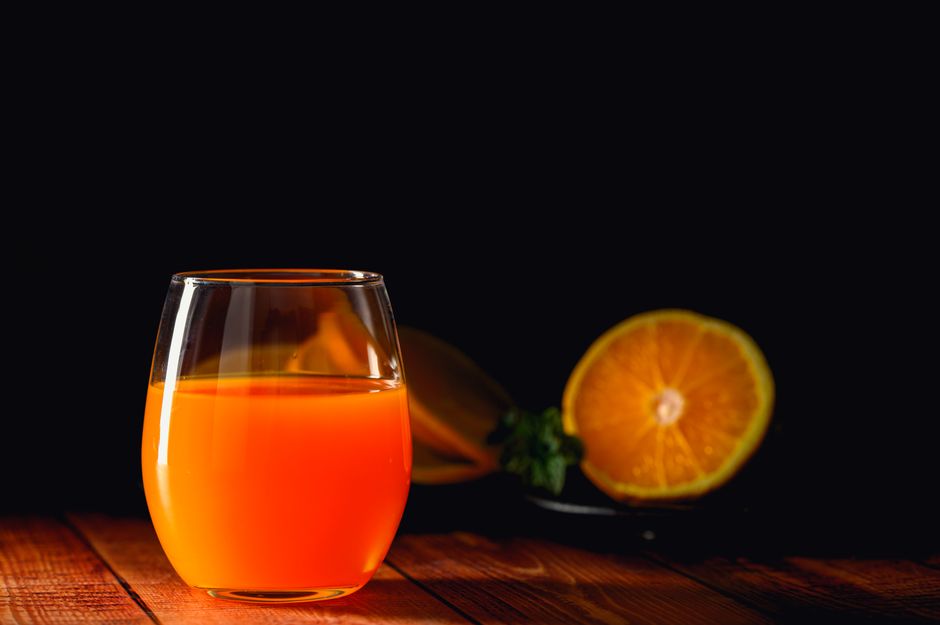
Many people reach for a glass of orange juice when they feel stressed, hoping the familiar sweetness brings calm. The science on this is more specific than you might think. Orange juice does not treat anxiety, but it contains nutrients and plant compounds that may influence mood and stress levels in measurable ways.
Does Orange Juice Help With Anxiety What Science Says
Orange juice can affect anxiety, but not like a medication would. The effect is indirect and modest. It works through nutrition, blood sugar, and possibly the gut-brain connection.
Vitamin C is the nutrient people most associate with oranges. Studies have found that vitamin C may help reduce anxiety in some people, but the evidence is not strong enough to call it a treatment. One older study in high school students found that those who received vitamin C reported lower anxiety scores. More recent research has not consistently repeated those results.
The bigger picture matters more. People who eat more fruits and vegetables tend to report better mental health. Some research suggests this link is real, but it is not clear whether the food itself causes the improvement or whether people who eat well have other healthy habits that support mood.
What Is Actually in Orange Juice That Could Affect Anxiety
Orange juice contains several nutrients and compounds that have been studied for their effects on mood and stress.
- Vitamin C — an antioxidant that helps protect cells from stress-related damage
- Folate — a B vitamin involved in producing neurotransmitters like serotonin
- Potassium — an electrolyte that supports nerve function
- Flavonoids — plant compounds with anti-inflammatory properties
- Natural sugars — mainly fructose and glucose, which affect blood sugar
Each of these plays a different role. Vitamin C and flavonoids work as antioxidants. Folate supports brain chemistry. Sugar affects energy and mood in the short term.
None of these alone is a proven anxiety treatment. Together, they make orange juice a nutrient-dense drink that may support overall health, which can indirectly support mental health.
How Blood Sugar Affects Anxiety Symptoms
Blood sugar swings can mimic or worsen anxiety symptoms. When blood sugar drops rapidly, you may feel shaky, irritable, or on edge. These feelings are similar to what many people experience during anxiety.
Orange juice raises blood sugar quickly. That can feel calming at first because the brain gets fast fuel. But the effect does not last. A rapid rise in blood sugar is often followed by a drop, which can trigger those anxious feelings again.
This is why the form of orange juice matters. Whole oranges contain fiber, which slows sugar absorption. Most commercial orange juice has the fiber removed or reduced, so the sugar enters the bloodstream faster.
If you drink orange juice, consider pairing it with a source of protein or fat. A small glass with a handful of nuts or a piece of cheese will keep blood sugar steadier than drinking juice alone.





Vitamin C and the Stress Response
The adrenal glands contain some of the highest concentrations of vitamin C in the body. These glands produce cortisol and adrenaline, the hormones involved in the stress response.
Some research suggests that vitamin C may help regulate cortisol levels. One small study found that vitamin C reduced cortisol and blood pressure responses to a stressful task. The participants who took vitamin C reported feeling less stressed afterward.
This is interesting, but the study was small and has not been widely replicated. It is not accurate to say that vitamin C treats anxiety. It may support the body’s ability to handle stress, but the effect appears modest.
Orange juice is a good source of vitamin C. One cup provides more than the daily recommended amount for most adults. But you can get the same vitamin C from many other foods, including strawberries, broccoli, and bell peppers.
Flavonoids and Brain Health
Oranges contain flavonoids, particularly a compound called hesperidin. Flavonoids are plant compounds with antioxidant and anti-inflammatory effects.
Inflammation has been linked to depression and anxiety in some research. The idea is that chronic inflammation may affect brain function and mood regulation. If flavonoids help reduce inflammation, they might support mental health indirectly.
Some animal studies have found that hesperidin has anxiety-reducing effects. But animal studies do not always translate to humans. No large human trials have confirmed that the flavonoids in orange juice reduce anxiety.
What the research does show is that diets rich in flavonoids are associated with better cognitive function and lower rates of depression. This is an association, not proof of cause and effect. People who eat flavonoid-rich diets tend to have other healthy habits as well.
Folate and Mood Regulation
Folate is needed for the body to produce serotonin, dopamine, and other neurotransmitters. Low folate levels have been linked to depression in some studies.
One cup of orange juice provides about 15 percent of the daily recommended intake of folate. That is meaningful, but not a large amount. Foods like leafy greens, beans, and fortified grains contain more.
There is no evidence that increasing folate alone treats anxiety. But ensuring you get enough folate is part of overall brain health. A deficiency in any B vitamin can affect mood and energy levels.
If you eat a varied diet with fruits, vegetables, and whole grains, you are likely getting enough folate. Orange juice can be one part of that, but it is not necessary for adequate intake.
Orange Juice vs. Whole Oranges for Anxiety
Whole oranges are generally a better choice than juice. The fiber in whole fruit slows sugar absorption and keeps you fuller longer.
A medium orange has about 12 grams of natural sugar and 3 grams of fiber. An 8-ounce glass of orange juice has about 21 grams of sugar and less than 1 gram of fiber. The juice delivers more sugar with less nutritional benefit per calorie.
For anxiety specifically, the slower blood sugar response from whole fruit may be more helpful. Stable blood sugar is associated with more stable mood. Rapid swings can worsen feelings of nervousness or irritability.
If you prefer juice, choose 100 percent orange juice rather than orange-flavored drinks. “Orange drink” or “orange cocktail” often contains added sugar and little actual juice. Check the label for the words “100 percent juice.”
Portion size matters too. A serving of juice is 4 ounces, not a full glass. Most people pour two or three times that amount without thinking about it.
Can Orange Juice Make Anxiety Worse
For some people, yes. The high sugar content can be a problem.
Drinking a large glass of orange juice on an empty stomach can cause a rapid spike in blood sugar. The body responds by releasing insulin to bring blood sugar down. If too much insulin is released, blood sugar can drop too low, causing symptoms like shakiness, sweating, and a racing heart.
Those symptoms are nearly identical to a panic attack. Someone prone to anxiety might interpret them as anxiety and feel more anxious as a result.
Caffeine is another factor. Some commercial orange juices are blended with other ingredients, and some people drink orange juice alongside coffee. Caffeine is a well-known trigger for anxiety symptoms in sensitive individuals.
If you notice that orange juice makes you feel jittery or anxious, pay attention to the pattern. It may be the sugar, it may be the combination with caffeine, or it may be something else entirely. Your own experience is the most reliable guide.
What the Research Actually Shows
The honest answer is that no clinical trial has proven that orange juice reduces anxiety. The evidence is indirect and mostly observational.
Some studies suggest that vitamin C may blunt the stress response. Some research links flavonoid-rich diets to better mental health. But these are not the same as saying orange juice helps with anxiety.
What the research does support is that a diet rich in fruits and vegetables is associated with better mental health outcomes. Orange juice can be part of that diet, but it is not a special or necessary component.
If you enjoy orange juice, drink it. It is a nutritious beverage with real benefits. But if you are looking for relief from anxiety, orange juice alone will not provide it. Professional support, regular sleep, physical activity, and stress management techniques have far stronger evidence behind them.
Frequently Asked Questions
How much orange juice should I drink for anxiety?
No clinical guidelines exist for using orange juice to treat anxiety. A standard serving is 4 ounces, and staying within that amount is reasonable if you drink it regularly.
Is orange juice better than whole oranges for stress?
Whole oranges are generally better because the fiber slows sugar absorption and keeps blood sugar steadier. The difference matters for mood stability.
Can orange juice trigger anxiety symptoms?
Yes, in some people. The rapid rise and fall in blood sugar from a large glass of juice can cause shakiness and a racing heart, which can feel like anxiety.
Does vitamin C in orange juice reduce anxiety?
Some small studies suggest vitamin C may blunt the stress response, but the evidence is not strong enough to call it a treatment. It may support overall health, which can indirectly support mood.
