
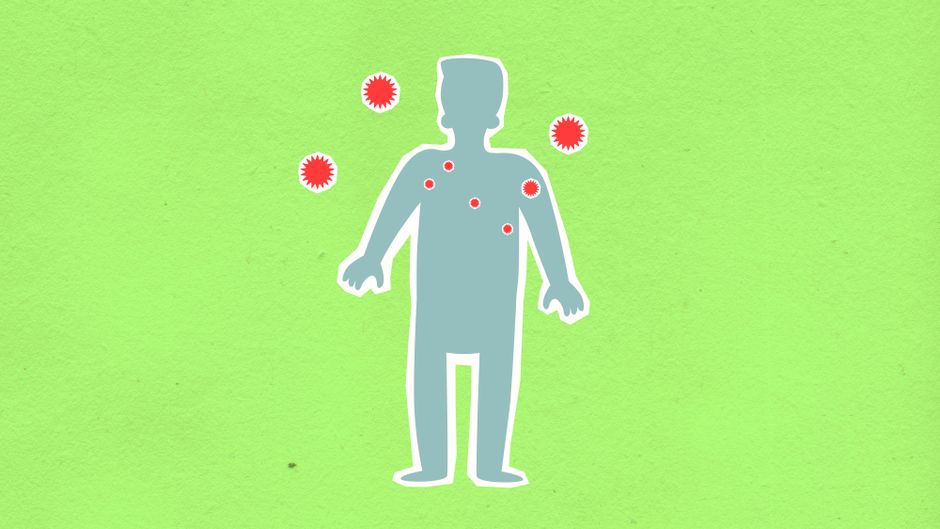
C. diff is short for Clostridioides difficile, a bacterium that causes severe diarrhea and inflammation of the colon. It is contagious, but not in the way a cold or the flu is. You do not catch it from coughs or sneezes. Instead, it spreads through contact with the spores the bacteria produce. These spores are tough. They can survive on surfaces for months. The main way people get infected is by touching a contaminated surface and then touching their mouth. That is why good handwashing with soap and water is so important. Alcohol-based hand sanitizers do not kill the spores. Soap and water work best.
What Is C. Diff and Why Is It Contagious?
C. difficile is a bacterium that lives in the gut of some healthy people without causing problems. But when someone takes antibiotics, it can kill off the good bacteria in the gut. This gives C. diff a chance to grow out of control. When that happens, it produces toxins that damage the lining of the intestine. That damage causes watery diarrhea, cramping, and sometimes fever. The contagious part comes from the spores. Spores are a dormant, hardy form of the bacteria. They can survive outside the body for a long time. They can survive on bed rails, toilet seats, door handles, and even on hands.
How Does C. Diff Spread From Person to Person?
C. diff spreads through the fecal-oral route. That is a medical way of saying that tiny amounts of stool from an infected person get into another person’s mouth. This usually happens through hands. Someone who is infected may not wash their hands well after using the bathroom. They leave spores on surfaces they touch. Another person touches that surface, picks up the spores, and then touches their mouth or food. It can also spread directly from person to person through poor hand hygiene. Healthcare workers who do not wash their hands properly can carry spores from one patient to another. That is why hospitals put patients with C. diff in private rooms and require staff to wear gloves and gowns.
How Long Is Someone With C. Diff Contagious?
A person with active C. diff infection is contagious as long as they have diarrhea. The spores are shed in the stool. Once the diarrhea stops, the risk of spreading the infection goes down. But it does not go away completely. Some people continue to shed spores in their stool even after they feel better. This is called asymptomatic shedding. It can last for weeks or even months. The exact timeline varies from person to person. Medical guidelines generally recommend that people with C. diff avoid close contact with others, especially vulnerable people, until they have been without diarrhea for at least 48 hours. Handwashing and cleaning remain important even after symptoms end.




Who Is Most at Risk of Getting C. Diff?
Not everyone who is exposed to C. diff spores gets sick. Your immune system and your gut bacteria play a big role. The biggest risk factor is taking antibiotics. Antibiotics disrupt the normal balance of bacteria in the colon. That makes it easier for C. diff to take over. Older adults, especially those over 65, are at higher risk. People in hospitals or nursing homes are also at higher risk because spores are more common in those settings. Other risk factors include having a weakened immune system, having inflammatory bowel disease, or having had C. diff before. People who take stomach acid reducers, like proton pump inhibitors, may also have a slightly higher risk.
How Can You Prevent the Spread of C. Diff?
The most important step is handwashing. Use soap and warm water, and scrub for at least 20 seconds. Alcohol-based hand sanitizers do not kill C. diff spores. Soap and water physically wash them off your hands. In healthcare settings, gloves and gowns are required when caring for someone with C. diff. At home, if someone is infected, clean surfaces with a bleach-based cleaner. Regular household cleaners may not kill the spores. Wash soiled laundry separately in hot water with bleach if possible. The infected person should use a separate bathroom if available, or surfaces should be cleaned after each use. Do not share personal items like towels or razors.
Can You Get C. Diff From Surfaces or Objects?
Yes. Surfaces are a common source of infection. C. diff spores can survive on dry surfaces for months. They can be found on bed rails, call buttons, toilet seats, sinks, countertops, and even on medical equipment like thermometers. In homes, the bathroom is the highest-risk area. Floors and toilet handles can also carry spores. That is why thorough cleaning with a bleach solution is recommended. A solution of one part bleach to nine parts water is often used. Spores are also resistant to heat. Standard dishwashing may not kill them. If someone in the house has C. diff, it is wise to sanitize dishes with a bleach solution or in a dishwasher with a sanitize cycle.
How Is C. Diff Treated and Does It Affect Contagiousness?
Treatment depends on how severe the infection is. Mild cases may be treated by stopping the antibiotic that triggered the infection. More severe cases require a different antibiotic, such as vancomycin or fidaxomicin. These antibiotics target C. diff directly. Treatment usually lasts 10 to 14 days. During treatment, the person is still contagious because they are still passing spores in their stool. Once the diarrhea stops, contagiousness decreases. However, as mentioned earlier, some people continue to shed spores after symptoms resolve. Recurrence is common. About 20% of people who get C. diff will have another episode. Each recurrence makes future infections more likely.
Is C. Diff Contagious After Treatment?
The short answer is yes, it can be. Even after treatment is complete and symptoms are gone, some people still carry the spores in their gut. This is called colonization. Colonized people do not have symptoms, but they can still pass the spores to others. The risk is lower than during an active infection, but it is real. That is why handwashing and cleaning are important even after recovery. For people who have had recurrent C. diff, a fecal microbiota transplant (FMT) may be used. FMT helps restore the healthy bacteria in the gut. After FMT, the risk of shedding spores goes down, but it is not zero. Always follow your doctor’s advice about when it is safe to return to normal activities without special precautions.
Frequently Asked Questions
Can you catch C. diff from someone who has no symptoms?
Yes, it is possible. People can carry C. diff in their gut and shed spores in their stool without having any diarrhea or other symptoms.
Does C. diff stay on surfaces for a long time?
Yes, the spores can survive on dry surfaces for months. That is why thorough cleaning with a bleach solution is essential.
Can you get C. diff from a toilet seat?
It is possible. Toilet seats and nearby surfaces can easily become contaminated with spores from stool. Wiping surfaces with a bleach cleaner before use can reduce risk.
Is C. diff contagious through the air?
No, C. diff is not airborne. It spreads through direct or indirect contact with contaminated surfaces or hands. You cannot catch it from someone’s cough or sneeze.
