
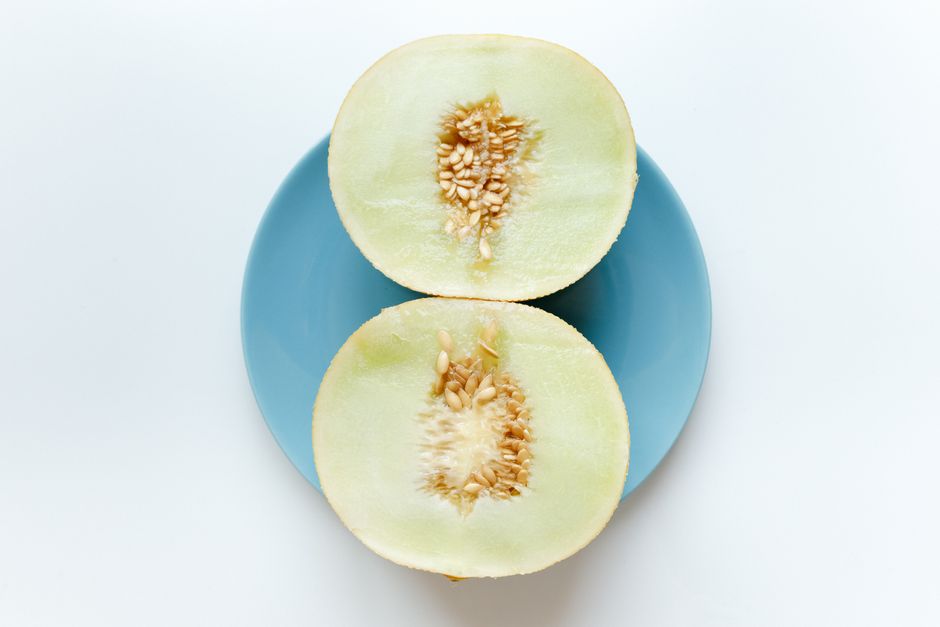
Melon allergy is uncommon but real, and it tends to show up in a specific pattern. Most people who react to melons are not reacting to melon alone. They are reacting because their immune system already recognizes a similar protein found in certain pollens, most often ragweed. That overlap is the reason a person can eat cantaloupe for years and then suddenly feel itching or tingling in the mouth.
The reaction is usually mild and stays in the mouth and throat. In some cases it can be more serious. How common it is depends on where you live, how much pollen you breathe in, and whether you already have other allergies.
How Common Is Melon Allergy And What Causes It
True melon allergy is rare as a stand-alone condition. Population studies of food allergy consistently place melon among the less common triggers, well behind milk, egg, peanut, tree nuts, shellfish, wheat, soy, fish, and sesame. Those nine foods account for the large majority of food allergy cases in the United States.
What makes melon different is how often it appears as a secondary problem. In people who are allergic to certain pollens, reactions to raw melon are far more frequent. This is called pollen-food allergy syndrome, sometimes known as oral allergy syndrome. It is the most common form of melon reactivity by a wide margin.
The cause comes down to protein shape. Your immune system makes antibodies against a pollen protein. That pollen protein looks enough like a protein in melon that the antibodies bind to it too. The result is an allergic response triggered by fruit instead of pollen.
The main pollen linked to melon is ragweed. Other associations include mugwort and, less often, grass pollens. Because these relationships are specific, a person’s reaction often depends on which pollen they are sensitized to.
Which Melons Cause Reactions And Why
Cantaloupe is the most frequently reported melon trigger. Watermelon, honeydew, and muskmelon also cause reactions, though reports are less consistent. The differences come down to which proteins each fruit contains and how closely they resemble a given pollen.
Ragweed is the strongest link. People with ragweed allergy may react to cantaloupe and banana, and sometimes to watermelon and zucchini. Mugwort allergy is more often tied to celery, carrot, and certain spices, with melon appearing in some people.
One detail that surprises many people: cooking usually changes the picture. The proteins involved in pollen-food allergy syndrome are generally heat-sensitive. That means a person who reacts to fresh cantaloupe may tolerate cooked or canned melon without symptoms. This is different from classic food allergies, where cooking rarely makes a food safe.
This heat sensitivity is also why reactions tend to be limited to the mouth. The proteins break down quickly in stomach acid, so they rarely reach the bloodstream in a form that triggers a whole-body response.
What Does A Melon Allergy Reaction Feel Like?
Most reactions start within minutes of eating raw melon. The most common symptoms are itching, tingling, or a mild swelling of the lips, tongue, roof of the mouth, or throat. Some people describe a scratchy feeling rather than true pain.
These symptoms usually fade within an hour or so once eating stops. They can be uncomfortable but are typically not dangerous.
Less often, reactions go beyond the mouth. Symptoms can include:
- Hives or skin rash
- Stomach pain, nausea, or vomiting
- Runny nose, sneezing, or watery eyes
- Swelling of the throat that affects breathing or swallowing
Severe reactions, including anaphylaxis, are possible but uncommon with melon. They are more likely in people who also have asthma, or who have had previous severe reactions to other foods. Anyone who develops trouble breathing, throat tightness, or a drop in blood pressure needs emergency care right away.
It is worth separating this from a contact reaction. Some people get an itchy mouth from melon because of irritation or a mild sensitivity rather than a true immune response. A doctor can help tell the difference.





Who Is Most Likely To Develop It
The strongest predictor is existing pollen allergy. If you have hay fever from ragweed, mugwort, or grass, your chance of reacting to melon is meaningfully higher than someone without pollen allergies.
Age matters too. Pollen-food allergy syndrome often first appears in older children, teenagers, or adults. This is different from many classic food allergies, which usually begin in early childhood.
Geography plays a role. Ragweed is common across much of North America, so melon reactions are reported more often there. In regions with different pollen patterns, the fruits and vegetables involved shift accordingly.
Having other allergic conditions, such as eczema or asthma, also raises the odds. These conditions reflect an immune system that is already primed to react to harmless proteins.
How Is Melon Allergy Diagnosed?
Diagnosis usually starts with the story. A doctor asks what you ate, how quickly symptoms began, and whether you have pollen allergies. That history alone is often enough to point toward pollen-food allergy syndrome.
Skin prick testing can check for reactions to melon extracts and to relevant pollens. Blood tests that measure specific antibodies may also be used. These tests are helpful but not perfect. A positive result does not always mean you will react when you eat the food, and a negative result does not always rule it out.
In some cases, an allergist may recommend an oral food challenge. This is done under medical supervision, with increasing amounts of the food given over time. It is the most reliable way to confirm whether a reaction is real, but it carries some risk and is only done when the situation calls for it.
One practical point: many people never get formally diagnosed because their symptoms are mild and obvious to them. That is understandable, but a diagnosis can help clarify what to avoid and what is safe.
Living With A Melon Allergy
Avoidance is the main approach. If cantaloupe causes symptoms, skip it. If other melons are fine, there is usually no need to avoid them all unless testing shows otherwise.
Because the proteins are often heat-sensitive, some people tolerate cooked, canned, or baked melon even when raw melon causes trouble. This varies from person to person, so it is worth discussing with an allergist before trying.
Cross-reactivity means you may also react to related foods. If ragweed is your trigger, watch for banana, zucchini, cucumber, and related items. Not everyone reacts to all of them, but the pattern is worth knowing.
For mild mouth symptoms, some clinicians suggest antihistamines taken before eating problem foods. This is not a cure and does not prevent severe reactions. It is a discussion to have with a doctor, not a self-treatment plan.
Anyone prescribed epinephrine should carry it at all times and know how to use it. This applies to people with a history of severe reactions or with asthma alongside their food allergy.
There is no established cure for melon allergy. Some people find their reactions change over time, sometimes easing and sometimes worsening. There is no reliable way to predict which direction it will go.
Is Melon Allergy Becoming More Common?
Food allergy overall has become more common in recent decades, though the reasons are not fully understood. Whether melon allergy specifically is rising is harder to say. Much of what looks like an increase may reflect better awareness and more people seeking diagnosis.
The link to pollen allergy is the key variable. As pollen allergy remains widespread, pollen-food reactions stay common in that group. For people without pollen sensitivity, melon allergy remains genuinely rare.
It is also worth noting that many reported melon reactions are never formally confirmed. Self-reported rates tend to be higher than rates confirmed by testing. That gap matters when reading any claim about how common this allergy is.
Frequently Asked Questions
Can you suddenly become allergic to melon as an adult?
Yes. Pollen-food allergy syndrome often first appears in teenagers or adults, even after years of eating melon without problems. It usually follows the development of a pollen allergy rather than appearing on its own.
Is melon allergy the same as ragweed allergy?
They are linked but not identical. Ragweed allergy makes a melon reaction more likely because the proteins look similar to your immune system, but not everyone with ragweed allergy reacts to melon.
Can you eat cooked melon if you are allergic to raw melon?
Many people can, because the proteins involved are often destroyed by heat. This varies by person, so check with an allergist before testing it yourself.
When is a melon allergy reaction an emergency?
Any trouble breathing, throat tightness, or swelling that affects swallowing is an emergency and needs immediate care. Mild itching or tingling in the mouth is common and usually not dangerous.
