
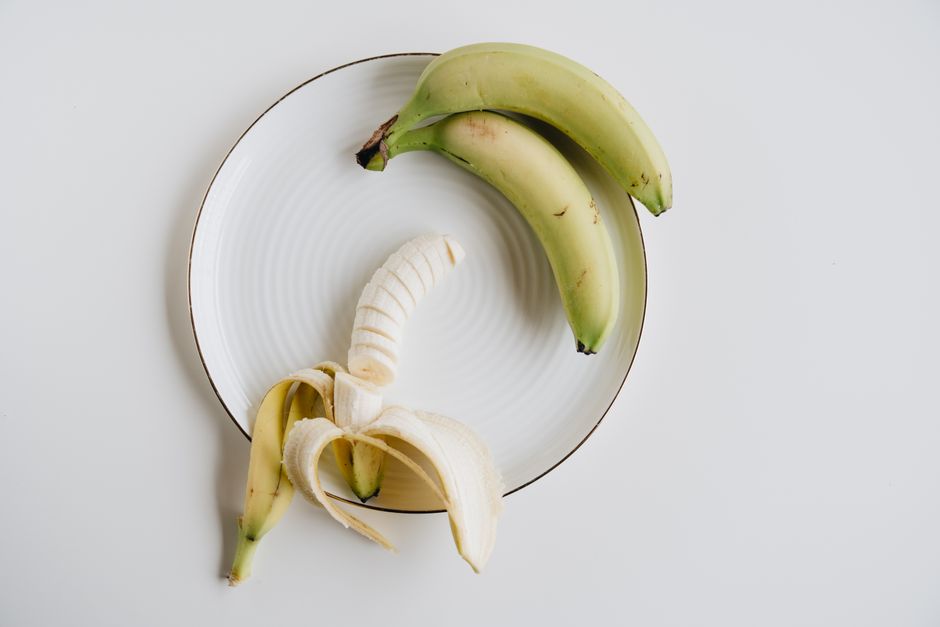
Yes, a banana allergy is real, and it happens when the immune system mistakes proteins in bananas for a threat. Symptoms can range from an itchy mouth and hives to, in rare cases, a severe reaction called anaphylaxis. It is different from a banana intolerance, which does not involve the immune system and is usually limited to digestive upset.
Is There A Banana Allergy? Symptoms, Causes And More
A true banana allergy is an immune response to proteins found in the fruit. The immune system produces antibodies called immunoglobulin E (IgE) that target those proteins. The next time you eat a banana, those antibodies trigger the release of chemicals like histamine, and those chemicals cause the symptoms you feel.
This is the same basic process behind peanut, shellfish, and milk allergies. The difference is the specific protein the immune system has decided is dangerous.
Banana allergy is not common. It is far less common than peanut or shellfish allergy. But it does occur, and it often shows up in a specific pattern that doctors recognize.
Many people with banana allergy also react to latex. This is called latex-fruit syndrome. The proteins in natural rubber latex are similar in shape to proteins in bananas, so the immune system can confuse the two. Other fruits linked to this pattern include avocado, kiwi, chestnut, and papaya.
There is also a separate pattern tied to birch pollen. Some people with birch pollen allergy react to raw banana because a protein in the fruit resembles one in birch pollen. This is a form of oral allergy syndrome.
What Are The Symptoms Of A Banana Allergy?
Symptoms usually appear within minutes of eating a banana, though they can sometimes take up to two hours. The most common symptoms involve the mouth and skin.
- Itching or tingling in the mouth, lips, tongue, or throat
- Swelling of the lips, tongue, or throat
- Hives or raised, itchy welts on the skin
- Eczema flare-ups in people with existing skin conditions
- Runny nose, sneezing, or watery eyes
- Stomach pain, nausea, vomiting, or diarrhea
- Wheezing or shortness of breath
The most serious symptom is anaphylaxis. This is a whole-body reaction that can include a sudden drop in blood pressure, trouble breathing, swelling of the airway, and loss of consciousness. Anaphylaxis is a medical emergency. Epinephrine is the first-line treatment, and it should be given right away.
Not everyone with banana allergy will have severe symptoms. Some people only get a mildly itchy mouth. But reactions can change over time, and a mild reaction today does not guarantee a mild reaction next time.
What Causes A Banana Allergy?
Banana allergy is caused by an immune system that has been sensitized to banana proteins. Sensitization means the immune system has already made IgE antibodies against those proteins. Once that happens, eating a banana can trigger a reaction.
Why the immune system becomes sensitized in the first place is not fully understood. Genetics play a role. So does early-life exposure and the overall balance of a person’s immune system.
There are two main routes to banana allergy:
Primary banana allergy. The immune system reacts to banana proteins directly. This type can cause a wide range of symptoms, including severe ones, and it can happen even when the banana is cooked.
Secondary banana allergy (oral allergy syndrome). The immune system is first sensitized to a pollen protein, often birch pollen. Because a banana protein looks similar, eating raw banana triggers an itchy mouth or throat. This type is usually milder, and cooked banana is often tolerated because heat breaks down the protein.
Latex-fruit syndrome is another route. People who are allergic to natural rubber latex may react to banana because the proteins are similar. This connection is well documented in people who work in healthcare, where latex gloves are common.





How Is Banana Allergy Diagnosed?
A doctor diagnoses banana allergy using a combination of history, skin testing, and sometimes blood testing. No single test is perfect on its own.
Your doctor will ask when symptoms started, how soon after eating they appeared, and what they felt like. That history is often the most important piece.
A skin prick test places a tiny amount of banana protein under the skin. If a raised, red bump forms, it suggests IgE antibodies are present. A blood test can measure specific IgE antibodies to banana.
Both tests can produce false positives. A positive result does not always mean you will react when you eat a banana. That is why the history matters so much.
In some cases, a doctor may recommend an oral food challenge. This is done under medical supervision, and it involves eating small amounts of banana to see if a reaction occurs. It is the most reliable way to confirm the diagnosis, but it carries risk and is not done for everyone.
Banana Allergy Vs. Banana Intolerance
These two are often confused, but they are not the same thing. A banana allergy involves the immune system. A banana intolerance does not.
| Feature | Banana Allergy | Banana Intolerance |
|---|---|---|
| Immune system involved | Yes | No |
| Typical symptoms | Itchy mouth, hives, swelling, breathing trouble | Bloating, gas, stomach pain, diarrhea |
| How fast symptoms start | Minutes to two hours | Usually hours |
| Can be life-threatening | Yes, in rare cases | No |
| Testing | Skin or blood tests for IgE | No standard test; based on symptoms |
Banana intolerance is not well studied. Some people report digestive symptoms after eating bananas, but the cause is often unclear. It could be related to the fiber in bananas, or to other compounds. There is no reliable test for banana intolerance, and no clinical guidelines specifically for it.
How Is Banana Allergy Managed?
The main way to manage banana allergy is to avoid bananas. That sounds simple, but bananas show up in places you might not expect.
Banana is used in some baked goods, smoothies, baby food, and certain processed snacks. It can also appear in less obvious products like some yogurts, cereals, and even some cosmetics. Reading ingredient labels carefully is important.
If you have oral allergy syndrome, you may be able to eat cooked or processed banana. Heating breaks down the protein that triggers the reaction. But this depends on the person, and you should confirm with your doctor before trying it.
For people with a history of severe reactions, a doctor may prescribe an epinephrine auto-injector. This is a device that delivers a dose of epinephrine in an emergency. It should be carried at all times.
Antihistamines can help with mild symptoms like itching or hives. They do not treat anaphylaxis. If you have trouble breathing, swelling of the throat, or a sudden drop in blood pressure, use epinephrine and call 911.
Can A Banana Allergy Be Prevented?
There is no proven way to prevent a banana allergy from developing. Research on allergy prevention has focused mostly on other foods, like peanuts and eggs, and even there the picture is complex.
Current guidance on early allergen introduction does not specifically address banana. If you have a family history of allergies or latex allergy, talk to your doctor about your child’s risk.
For people who already have banana allergy, the goal is not prevention but management. Avoidance and emergency planning are the mainstays.
What About Other Fruit Allergies?
Banana allergy often comes with other fruit allergies. This is because the proteins involved overlap.
People with latex-fruit syndrome may react to avocado, kiwi, chestnut, papaya, and others. People with birch pollen allergy may react to apple, cherry, peach, and carrot, in addition to banana.
If you react to one fruit, it is worth paying attention to whether others cause symptoms. Your doctor can help sort out which proteins are involved and what you should avoid.
Frequently Asked Questions
What are the first signs of a banana allergy?
The most common first signs are itching or tingling in the mouth, lips, or throat, often within minutes of eating. Some people also notice hives or a runny nose.
Can you suddenly develop a banana allergy?
Yes, allergies can develop at any age, even if you have eaten bananas for years without a problem. The immune system can become sensitized over time.
Is banana allergy the same as latex allergy?
No, but they are related. Many people with latex allergy also react to bananas because the proteins are similar, a pattern called latex-fruit syndrome.
Can you eat cooked bananas if you are allergic?
Some people with oral allergy syndrome can tolerate cooked bananas because heat breaks down the triggering protein. However, this is not true for everyone, and you should check with your doctor first.
