
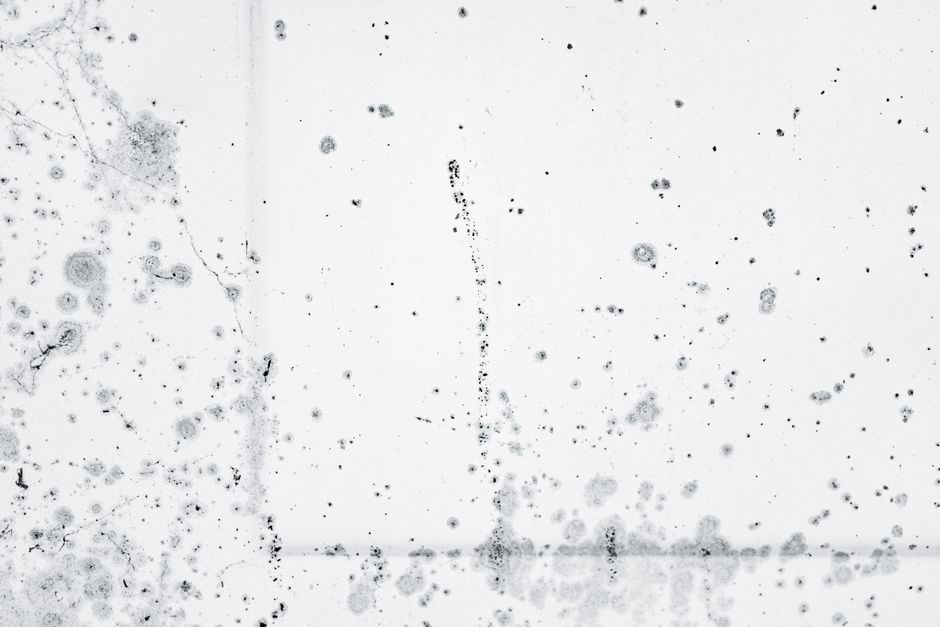
Black mold is common in buildings with water damage, but “toxic black mold” is a misleading name. The mold itself does not release poison into your body the way the phrase suggests. The real health concerns come from inhaling mold spores and the particles they carry, and from living in a damp building. Some people react strongly to mold. Others notice nothing at all.
The label usually refers to Stachybotrys chartarum, a greenish-black mold that grows on wet, cellulose-rich materials like drywall, wood, and paper. It needs sustained moisture, not just high humidity. Without a water source, it does not grow. That single fact explains most of what matters about it.
How Common Is Black Mold And Is It Truly Toxic?
Black mold is common enough that most buildings have some mold somewhere. What is not common is a serious indoor infestation. That requires ongoing moisture, usually from a leak, flooding, or condensation that never gets fixed.
Mold spores are everywhere outdoors and indoors. No home is sterile. The question that matters is not whether mold exists in a building but whether there is enough moisture to let it grow and spread.
The word “toxic” is where the confusion starts. Stachybotrys chartarum can produce compounds called mycotoxins, and some of these are toxic in laboratory settings. But that is not the same as causing poisoning in people who live in a moldy home. The evidence for harm from inhaled mycotoxins in everyday indoor air is limited and debated. Researchers have not established that typical indoor mold exposure delivers mycotoxins at levels that poison the body.
What is well established is different. Mold is a common trigger for allergy and asthma symptoms. Damp buildings are associated with respiratory problems. Those effects are real and documented. They are also not the same as “toxicity” in the way the term is used online.
What Makes Black Mold Grow In A Home?
Mold needs moisture. Take that away and it cannot grow, no matter what color it is. The most common sources are leaks, flooding, and trapped damp.
- Roof or plumbing leaks that go unnoticed or unrepaired
- Water from flooding that was not fully dried out
- Condensation on cold surfaces, pipes, or windows
- High indoor humidity with poor ventilation
- Damp basements and crawl spaces
Materials matter. Stachybotrys grows best on wet cellulose, which is why drywall and wood are common sites. It tends to appear after a material has stayed wet for a while, not after a single splash. A slow leak behind a wall can feed mold for weeks before anyone notices.
There is a useful distinction here that often gets lost. Visible mold is a sign of a moisture problem, not the problem itself. Cleaning the mold without fixing the water source means it comes back. Fixing the water source is what stops it.
Is Black Mold Actually More Dangerous Than Other Mold?
There is no strong evidence that black mold is more dangerous than other molds in a typical home. The color of mold does not reliably tell you what kind it is or how harmful it is.
Many molds look black, including common ones that are not Stachybotrys. You cannot identify mold type by sight. That is a genuine limitation worth knowing, because people often assume any dark patch is “the toxic kind.”
Health agencies generally treat mold the same way regardless of type: find the moisture, remove the mold, keep the area dry. The response does not change based on color. The concern is the damp environment and the mold growth, not a specific species name.
Some molds can produce mycotoxins, and Stachybotrys is one of them. But the presence of a mold that can make mycotoxins does not mean a person in that building is being exposed to harmful levels. The leap from “this mold can produce a toxin” to “this home is poisoning its residents” is where a lot of online claims go wrong.





What Health Problems Can Mold In The Home Cause?
Mold exposure is linked to allergy and asthma symptoms, and damp buildings are associated with respiratory complaints. These are the best-supported effects.
Common symptoms in people who are sensitive include:
- Stuffy or runny nose and sneezing
- Watery, itchy eyes
- Coughing and wheezing
- Skin irritation or rash
- Worsening asthma control
Mold allergy is well documented. A person with a mold allergy can react to spores in the air, and symptoms often ease when they leave the building and return when they come back. For people with asthma, damp and moldy housing is recognized as a trigger for symptoms.
Beyond allergy, the picture gets less certain. Some people report fatigue, headaches, or trouble concentrating in moldy buildings. The evidence for a distinct illness caused by mold exposure is mixed and has been debated in the research literature for years. Some studies suggest associations. Others do not confirm them. This is an area where honest uncertainty is appropriate, and where strong claims in either direction should be treated with caution.
One thing is clearer than the internet often admits: people vary enormously. Some people live with mold and notice nothing. Others react strongly. A mold allergy or existing asthma makes a reaction more likely.
How Do You Get Rid Of Black Mold And Keep It From Coming Back?
The core approach is moisture control plus physical removal. Fixing the water problem is the step that actually solves it.
For small areas of mold on hard surfaces, cleaning with detergent and water and then drying the area thoroughly is the standard approach. Bleach is widely marketed for mold, but it is not always necessary and does not fix the underlying moisture. Dead mold particles can still trigger allergies even after the mold is killed, so removal matters, not just killing.
For larger problems, the guidance is to bring in professionals. Porous materials like drywall and insulation that are heavily moldy usually need to be removed rather than cleaned. Disturbing a large moldy area can send spores into the air, so containment matters.
Keeping mold from returning comes down to keeping things dry:
- Fix leaks promptly and dry water damage fully
- Vent bathrooms, kitchens, and laundry areas
- Keep indoor humidity in check
- Address condensation on windows and pipes
- Keep basements and crawl spaces from staying damp
Air purifiers and filters can reduce spores in the air, but they do not address the source. If mold keeps growing, the moisture is still there.
When Should You Be Concerned About Mold Exposure?
Concern is reasonable when mold keeps returning, when the affected area is large, or when someone in the home has symptoms that improve away from the building. Those are signs to act.
People with asthma, mold allergies, or weakened immune systems may need to take mold exposure more seriously. Anyone with persistent respiratory symptoms should see a clinician rather than self-diagnose a mold-related illness.
Home mold testing kits are widely sold, but their usefulness is limited. Knowing the species name rarely changes what you should do, because the fix is the same: remove the moisture and the mold. Spending money on testing often does not change the outcome.
The most reliable measure is your own response. Symptoms that follow you into a building and ease when you leave are worth paying attention to. So is visible mold that keeps coming back despite cleaning. Both point to a moisture problem that needs fixing, not a specific “toxic” species to identify.
Frequently Asked Questions
Is black mold deadly?
No well-established evidence shows that typical household black mold exposure is deadly. The documented health effects are mainly allergy and asthma symptoms, not fatal poisoning.
How do I know if mold in my home is the toxic kind?
You cannot tell by looking, because many molds appear black and color does not identify the type. The practical response is the same regardless of type: fix the moisture and remove the mold.
Can black mold make you sick even if you have no allergy?
Some people report symptoms like fatigue or headaches in moldy buildings, but the evidence for a distinct mold-caused illness is mixed. Allergy and asthma effects are the best-supported concerns.
Does bleach kill black mold for good?
Bleach can kill mold on hard surfaces, but it does not fix the moisture that feeds it, so mold often returns. Removing the mold and drying the area fully matters more than the cleaning product.
