
Jaundice is not a disease itself but a visible sign of an underlying condition. It happens when too much bilirubin builds up in your blood. Bilirubin is a yellow waste product from your liver breaking down old red blood cells. When your liver cannot process it fast enough, your skin and the whites of your eyes turn yellow. Most people associate jaundice with newborns, but adults get it too. The causes range from harmless to serious, and knowing the signs is the first step to understanding what is happening.
What Exactly Is Jaundice and How Does Bilirubin Work?
To understand jaundice, you need to understand bilirubin. Your body makes bilirubin naturally. Old red blood cells die every day, and your spleen breaks them down. The waste product is bilirubin. Your liver then takes this bilirubin, processes it, and sends it out through bile into your intestines. That is how it normally leaves your body.
When something goes wrong in this process, bilirubin builds up. It can happen before your liver gets the bilirubin, inside your liver, or after your liver has processed it. The type of jaundice tells doctors where the problem is. Pre-hepatic jaundice means too many red blood cells are breaking down. Hepatic jaundice means the liver itself is damaged. Post-hepatic jaundice means the bile ducts are blocked and the bilirubin cannot get out.
The yellow color shows up when bilirubin levels in your blood get high enough. For adults, visible jaundice usually starts when bilirubin is around 2.5 to 3 milligrams per deciliter. Normal levels are under 1.2. The color often starts in the eyes and then spreads to the face and body.
What Are the Most Common Causes of Jaundice in Adults?
The most common cause of jaundice in adults is a blockage in the bile ducts. Gallstones are the usual culprit. A gallstone can get stuck in the bile duct, preventing bilirubin from leaving the liver. This is called obstructive jaundice. It is common, painful, and treatable.
Liver disease is another major cause. Hepatitis, both viral and alcoholic, inflames the liver and stops it from processing bilirubin. The CDC reports that chronic hepatitis C affects millions of Americans and is a leading cause of liver damage. Alcoholic liver disease and fatty liver disease are also common causes of jaundice. The liver gets swollen and scarred, and its ability to filter waste drops.
Some medications can cause jaundice as a side effect. Acetaminophen overdose is a well-known example. Other drugs like certain antibiotics, birth control pills, and statins can trigger jaundice in some people. This is rare but real. If you start a new medication and notice yellowing, call your doctor right away.
Pancreatic cancer is a less common but serious cause. Tumors in the pancreas can press on the bile duct. Jaundice is often the first visible sign of pancreatic cancer. This is why unexplained jaundice in an adult needs a full medical workup. It is not always cancer, but it cannot be ignored.
What Are the Early Signs of Jaundice You Should Not Ignore?
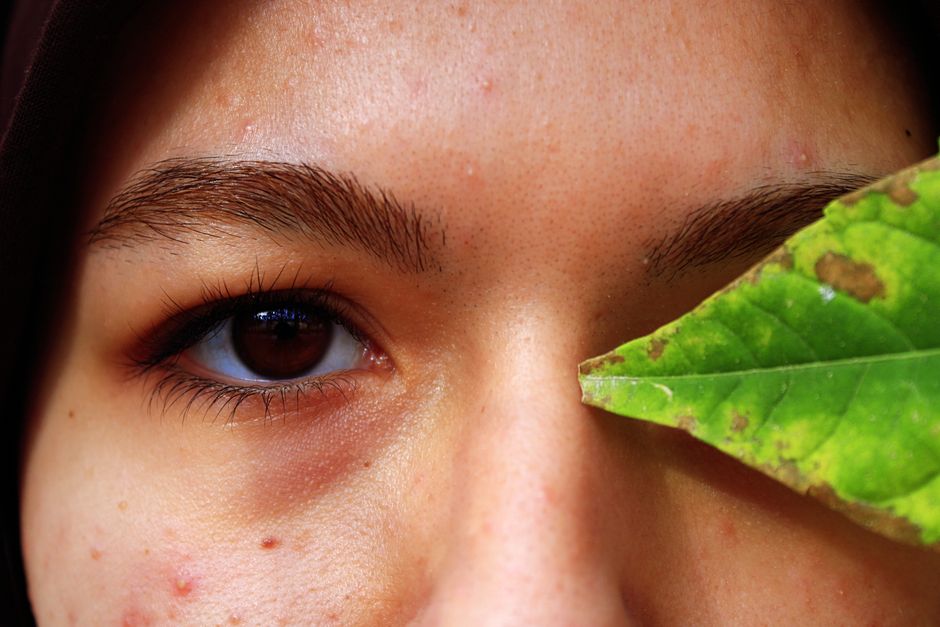
The earliest sign of jaundice is usually yellowing of the whites of your eyes. This is called scleral icterus. It happens before your skin changes color. If you look in the mirror and the white part of your eye looks yellow, that is a warning sign. Do not assume it is just tiredness or allergies.
Yellow skin comes next. It often starts on your face and chest before spreading to your arms and legs. The color can range from pale lemon to a deep orange-brown. Dark urine is another early sign. When bilirubin builds up in your blood, your kidneys try to filter it out. This makes your urine look like tea or cola. It is often one of the first symptoms people notice.
Pale or clay-colored stool is a sign of bile duct blockage. Bile gives stool its brown color. If the bile cannot get out, your stool turns light gray or white. This is a specific sign of obstructive jaundice. It is not subtle. If you see this, you need medical attention quickly.
Itching is a less known but common symptom. Bilirubin buildup can cause intense itching all over your body. Some people describe it as crawling or burning under the skin. This itching often gets worse at night and can be very uncomfortable. It is caused by bile salts depositing in your skin.




How Do You Get Jaundice Common Causes And Signs in Newborn Babies?
Newborn jaundice is extremely common. About 60 percent of full-term babies and 80 percent of premature babies get it. It happens because a newborn’s liver is not yet mature enough to process bilirubin quickly. This is called physiologic jaundice. It usually shows up two to four days after birth and goes away on its own within two weeks.
Breastfeeding jaundice is a different type. It happens when a baby does not get enough breast milk in the first few days. Dehydration makes it harder for the liver to clear bilirubin. This is not a problem with the milk itself. It is a problem with feeding frequency. Once the baby starts feeding well, the jaundice clears.
Breast milk jaundice is another distinct type. It is rare and affects about two percent of breastfed babies. It shows up later, usually after the first week. Something in the breast milk slows down the liver’s ability to process bilirubin. It is not dangerous in most cases, but doctors monitor it closely.
Serious newborn jaundice is rare but real. If bilirubin levels get too high, it can cause brain damage. This is called kernicterus. Doctors check bilirubin levels in all newborns before they leave the hospital. Treatment with phototherapy is simple and effective. A special blue light breaks down the bilirubin in the baby’s skin.
| Type | Where the Problem Is | Common Cause | Key Sign |
|---|---|---|---|
| Pre-hepatic | Before the liver | Hemolytic anemia | Pale skin, dark urine |
| Hepatic | Inside the liver | Hepatitis, cirrhosis | Itching, fatigue |
| Post-hepatic | After the liver | Gallstones, tumors | Clay-colored stool |
When Should You See a Doctor for Jaundice?
You should see a doctor the same day you notice yellowing of your eyes or skin. This is not something to wait out. Jaundice always means something is wrong with your liver, bile ducts, or blood cells. Some causes are minor, but some are not. A doctor can run simple blood tests to measure your bilirubin levels and check your liver function.
Go to the emergency room if you also have severe abdominal pain, vomiting, confusion, or bleeding. These can be signs of acute liver failure or a blocked bile duct that needs urgent treatment. Confusion is especially dangerous. It may mean bilirubin has reached your brain, which is a medical emergency.
If you have jaundice and your stool is pale or clay-colored, do not wait. This strongly suggests a blockage in your bile duct. Gallstones are the most common cause, but tumors are possible. Imaging tests like an ultrasound or CT scan can find the blockage quickly.
Pregnant women who develop jaundice need immediate attention. It can be a sign of preeclampsia or acute fatty liver of pregnancy. Both conditions are serious for the mother and baby. Do not assume it is just normal pregnancy changes.
What Tests Do Doctors Use to Diagnose Jaundice?
The first test is a blood test. It measures total bilirubin and direct bilirubin. Total bilirubin includes both processed and unprocessed types. Direct bilirubin is the processed kind that has been through the liver. The ratio between them helps doctors figure out where the problem is.
Liver function tests are usually done at the same time. These check enzymes like ALT and AST. High levels mean liver cells are damaged. Alkaline phosphatase is another enzyme that goes up when bile ducts are blocked. These numbers give doctors a clear picture of what is happening.
Imaging tests are common next steps. An ultrasound is quick and painless. It can show gallstones, tumors, and liver damage. A CT scan gives more detail. An MRI can look at the bile ducts in high resolution. Endoscopic retrograde cholangiopancreatography, or ERCP, is both a test and a treatment. A scope goes down your throat and into your bile duct. Doctors can see blockages and sometimes remove them during the same procedure.
Sometimes a liver biopsy is needed. A small needle takes a tiny sample of liver tissue. This is usually done when hepatitis or cirrhosis is suspected. The tissue sample is sent to a lab for analysis. It is a safe procedure but only done when other tests are not clear enough.
Frequently Asked Questions
Can you get jaundice from stress?
No. Stress alone does not cause jaundice. Stress can worsen existing liver conditions, but it is not a direct cause.
Is jaundice contagious from person to person?
No. Jaundice itself is not contagious. The underlying cause like viral hepatitis can be contagious, but the yellow color is not spreadable.
How long does it take for jaundice to go away in adults?
It depends on the cause. Blockage from a gallstone may clear within days after treatment. Liver disease can take weeks or months to improve.
Can drinking alcohol cause jaundice?
Yes. Heavy alcohol use over time can damage the liver and cause alcoholic hepatitis or cirrhosis, both of which lead to jaundice.
