
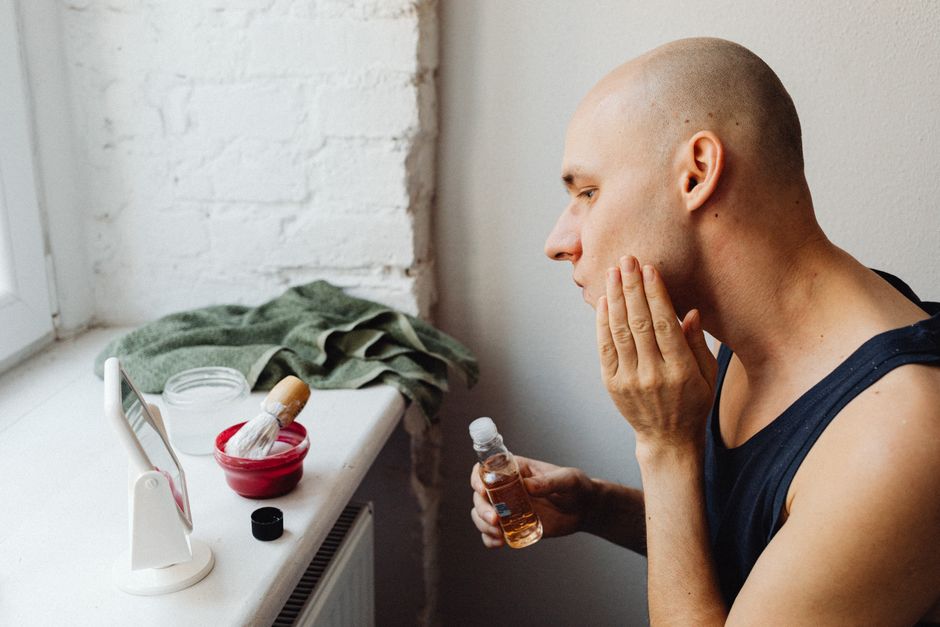
Hair loss is incredibly common, and if you are noticing more hair in the shower drain or on your pillow, you are not alone. The most frequent cause is a genetic condition called androgenetic alopecia, which affects roughly 50 million men and 30 million women in the United States. While genetics play a major role, other factors like stress, hormones, and nutrition can also trigger or worsen hair shedding. Treatments exist that can slow or stop progression, but they do not work for everyone and results vary.
What Is Androgenetic Alopecia and How Common Is It?
Androgenetic alopecia is the medical term for male and female pattern baldness. It is a genetic condition driven by sensitivity to dihydrotestosterone (DHT), a hormone derived from testosterone. DHT shrinks hair follicles over time, causing hair to grow shorter and finer until it stops growing entirely.
According to the American Academy of Dermatology, about 50 percent of men show signs of hair loss by age 50. For women, the numbers are similar but often less visible. Female pattern hair loss is more diffuse, meaning thinning happens across the top of the scalp rather than in a distinct receding line or bald spot.
If either of your parents had significant hair loss, your odds increase. The condition is hereditary, but the exact pattern of inheritance is complex and not limited to the mother’s side of the family.
Why Am I Balding Common? Causes And Treatments Explained
The question “Why Am I Balding Common? Causes And Treatments” has a straightforward answer for most people: genetics and hormones are the primary drivers. But several other causes can mimic or accelerate pattern baldness.
Telogen effluvium is a temporary shedding condition triggered by stress, illness, surgery, or rapid weight loss. It typically starts two to three months after the trigger and resolves on its own within six months. Unlike genetic balding, it causes hair to fall out evenly across the scalp.
Alopecia areata is an autoimmune disorder where the immune system attacks hair follicles. It causes patchy hair loss and can affect any hair-bearing area. The National Institute of Arthritis and Musculoskeletal and Skin Diseases reports that about 2 percent of the population will experience alopecia areata at some point.
Thyroid disorders and iron deficiency anemia are also common causes of hair thinning, especially in women. A simple blood test can rule these out. If you have unexplained hair loss along with fatigue, weight changes, or cold intolerance, ask your doctor to check your thyroid and ferritin levels.
What Treatments Are Proven to Work for Genetic Hair Loss?
Two medications have the strongest evidence: minoxidil (Rogaine) and finasteride (Propecia). Both are FDA-approved for androgenetic alopecia.
Minoxidil is a topical solution or foam applied directly to the scalp. It stimulates hair follicles and increases blood flow. Research published in the Journal of the American Academy of Dermatology shows that minoxidil can regrow hair in about 40 to 60 percent of users, though results take three to six months to appear. It works for both men and women.
Finasteride is a daily oral pill that blocks the conversion of testosterone into DHT. It is only approved for men. The same research shows finasteride slows hair loss progression in about 80 percent of men and regrows hair in about 30 percent. Women of childbearing age should not take it because of birth defect risks.
| Treatment | How It Works | Approved For | Typical Results |
|---|---|---|---|
| Minoxidil (topical) | Stimulates follicles | Men and women | Regrowth in 40-60% of users |
| Finasteride (oral) | Blocks DHT production | Men only | Slows loss in 80%, regrowth in 30% |
| Low-level laser therapy | Stimulates cell activity | Men and women | Modest improvement in some studies |
| Platelet-rich plasma (PRP) | Injections of concentrated platelets | Men and women | Mixed evidence, some report improvement |





What About Natural Remedies and Lifestyle Changes?
The supplement market for hair loss is enormous and largely unregulated. Many products claim to regrow hair but have little to no clinical evidence behind them.
Saw palmetto is a popular herbal extract that some studies suggest may block DHT. A 2022 review in the Journal of Clinical Medicine found the evidence is weak and inconsistent. Some people report benefit, but you cannot rely on it to stop genetic balding.
Biotin is often marketed for hair growth, but biotin deficiency is rare. Unless you have a confirmed deficiency, taking extra biotin will not help your hair. The same is true for most B vitamins and collagen supplements.
What does matter is getting enough protein, iron, and zinc in your diet. Hair is made of protein. If your diet is very low in protein or you have an iron deficiency, your body will stop producing hair to conserve resources. A balanced diet with adequate calories and nutrients supports healthy hair growth but does not reverse genetic balding.
What Are the Side Effects and Risks of Hair Loss Treatments?
All treatments carry some risk. Minoxidil can cause scalp irritation, itching, and unwanted facial hair growth if it drips onto the skin. Some people experience a temporary increase in shedding during the first few weeks of use. This is called the “dread shed” and is actually a sign the treatment is working.
Finasteride has more serious potential side effects. About 2 to 5 percent of men report sexual side effects like reduced libido, erectile dysfunction, or decreased ejaculate volume. These effects usually reverse when the medication is stopped, but some men report persistent symptoms. The FDA has added a warning about the risk of depression and suicidal thoughts.
Low-level laser therapy devices are generally safe, but they are expensive and the evidence for their effectiveness is modest. A 2019 meta-analysis in the Journal of the American Academy of Dermatology found that laser caps and combs produced a small increase in hair density compared to sham devices, but the clinical significance is uncertain.
PRP injections involve drawing your blood, spinning it to concentrate the platelets, and injecting it into your scalp. The procedure is not standardized. Some dermatologists report good results, but large randomized trials are lacking. It is also not covered by insurance and costs several hundred dollars per session.
Common Misconceptions About Hair Loss
One of the most persistent myths is that wearing hats causes baldness. This is false. Hats do not restrict blood flow to the scalp enough to damage follicles. If you wear a very tight hat for hours daily, it might cause traction alopecia at the hairline, but that is a different condition.
Another common belief is that frequent shampooing makes hair fall out. Hair that comes out in the shower was already shed. Shampooing just loosens it. Washing your hair less often will not prevent hair loss.
- Myth: Stress causes permanent baldness. Fact: Stress-related shedding is usually temporary and reverses on its own.
- Myth: Hair loss only comes from your mother’s father. Fact: Genes from both sides of your family contribute.
- Myth: Hair transplants are a permanent cure. Fact: Transplanted hair is permanent, but untreated areas may continue to thin.
Hair transplants are a surgical option where follicles from the back of the scalp are moved to thinning areas. They are effective for men with stable pattern baldness. But they are expensive, require multiple sessions, and do not stop the underlying genetic process. Most surgeons prescribe minoxidil or finasteride after surgery to protect the remaining hair.
When Should You See a Doctor About Hair Loss?
If your hair loss is sudden, patchy, or accompanied by pain or itching, see a board-certified dermatologist. These signs suggest something other than genetic balding, such as alopecia areata, a fungal infection, or an autoimmune condition.
Women experiencing thinning along with irregular periods, acne, or excess facial hair should be evaluated for polycystic ovary syndrome (PCOS). This hormonal disorder can cause hair loss and is treatable.
A dermatologist can perform a scalp biopsy, blood work, or a pull test to determine the cause. Do not rely on internet quizzes or product reviews to diagnose yourself. Many conditions look similar but require different treatments.
Frequently Asked Questions
Can stress cause permanent hair loss?
No, stress-related hair loss is usually temporary and resolves within six months after the trigger is removed.
Does minoxidil work for women?
Yes, minoxidil is FDA-approved for women and can be effective for female pattern hair loss.
Is hair loss reversible without medication?
If the cause is temporary like stress or nutrient deficiency, hair often grows back without medication. Genetic balding is not reversible without treatment.
How long does it take to see results from hair loss treatments?
Most treatments require three to six months of consistent use before noticeable improvement occurs.
