
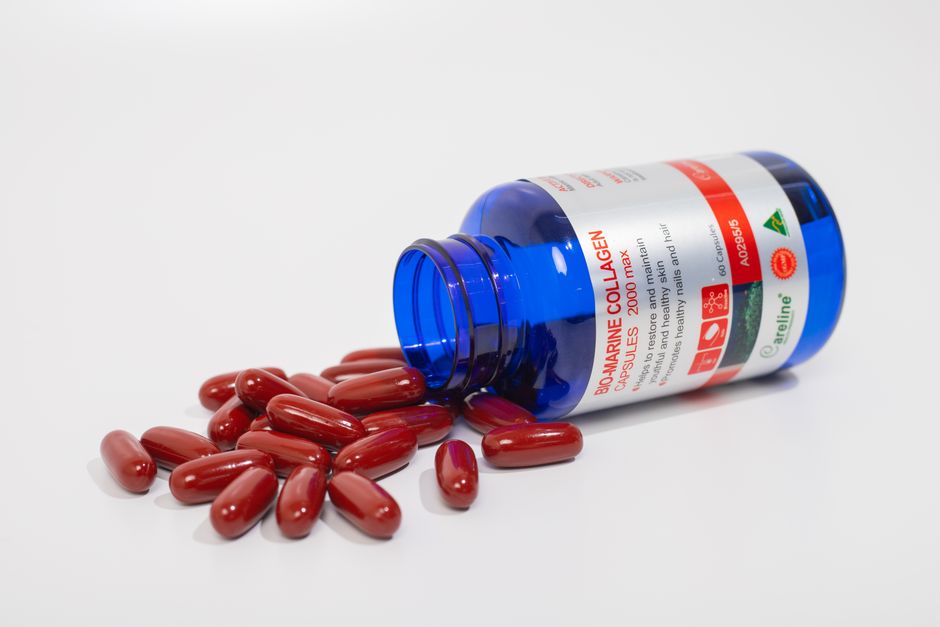
Collagen is the most abundant protein in your body. It does more than give skin its bounce and bones their strength. Collagen also sends signals that help stem cells decide what to become. This process shapes how tissues grow, repair, and sometimes fail.
How Collagen Directs Stem Cell Behavior?
Collagen directs stem cell behavior mainly by acting as a physical scaffold and a signaling molecule. Stem cells attach to collagen through receptor proteins on their surface. That attachment triggers chemical signals inside the cell that influence whether the cell divides, stays dormant, or matures into a specific cell type.
The interaction works through several mechanisms:
- Physical support: Collagen fibers form a mesh that stem cells grip and pull against. This mechanical tension changes gene activity.
- Receptor binding: Stem cells use integrin receptors to bind specific sequences on collagen molecules. This binding activates signaling pathways inside the cell.
- Stiffness signals: The rigidity of the collagen matrix tells stem cells what tissue they are in. Soft matrices push cells toward one fate. Stiff matrices push them toward another.
- Growth factor storage: Collagen holds onto growth factors and releases them when the matrix is remodeled, influencing stem cell activity indirectly.
This is not a simple on-off switch. Collagen works alongside dozens of other signals. The outcome depends on the type of collagen, its density, its stiffness, and the surrounding chemical environment.
What Types of Collagen Interact With Stem Cells?
At least 28 types of collagen exist in the human body. Several play direct roles in stem cell regulation.
Type I collagen is the most abundant. It forms thick fibers in bone, skin, tendons, and ligaments. Many stem cell types bind to it. Research has shown that type I collagen supports the attachment and growth of mesenchymal stem cells, a type found in bone marrow and fat tissue.
Type IV collagen forms the meshwork of basement membranes. These thin sheets separate tissues. Stem cells in the lining of the gut and skin sit on type IV collagen. This collagen helps maintain them in a stem-like state rather than letting them mature too quickly.
Type II collagen is found mainly in cartilage. It influences chondrogenic differentiation, the process where stem cells become cartilage cells.
Type VI collagen forms beaded filaments around cells. Some studies suggest it helps maintain the stem cell niche in muscle tissue.
Each type sends slightly different signals. A stem cell surrounded by type I collagen in bone marrow will behave differently than one sitting on type IV collagen in the gut lining.
How Does Collagen Stiffness Change Stem Cell Fate?
Stiffness is one of the most studied factors in how collagen directs stem cells. Cells can sense how hard or soft the surface beneath them is. They pull on it. If it resists, they get a signal. If it gives way, they get a different signal.
This process is called mechanotransduction. Mechanical forces convert into biochemical signals inside the cell.
In general terms, research has found patterns:
- Stem cells grown on soft matrices tend to become neurons or fat cells.
- Stem cells on moderately stiff matrices tend to become muscle cells.
- Stem cells on stiff matrices tend to become bone cells.
These patterns hold in laboratory conditions. In the body, the situation is more complex. Collagen stiffness changes with age, disease, and injury. Fibrosis, the buildup of excess connective tissue, makes tissues stiffer. This stiffness can push stem cells toward unwanted fates and may contribute to disease progression.
One important clarification: lab findings do not always translate directly to the human body. The body has feedback loops, blood flow, immune cells, and hormones that lab dishes do not. What happens in a petri dish is a starting point, not the final answer.


What Role Does Collagen Play in Stem Cell Niches?
A stem cell niche is the local environment that keeps stem cells alive and controls when they divide. Collagen is a structural part of most niches.
In bone marrow, collagen fibers help anchor hematopoietic stem cells, which make all blood cells. These stem cells interact with collagen and other proteins to stay in place. When they detach, they mature into different blood cell types.
In the skin, collagen in the dermis supports stem cells in hair follicles and sweat glands. Changes in collagen structure with age may affect how well these stem cells function.
In the gut, a thin layer of collagen beneath the intestinal lining helps regulate stem cells that constantly replace the gut lining. This replacement happens throughout life.
The niche concept matters because it explains why stem cells do not just act on their own. Their behavior depends heavily on what surrounds them. Collagen is a major part of that surroundings.
How Does Collagen Change With Age and Affect Stem Cells?
Collagen production declines with age. The collagen that remains becomes more cross-linked and fragmented. This changes both the amount and the quality of collagen signals reaching stem cells.
Fewer stem cells are available in many tissues as we age. The ones that remain often function less effectively. Some researchers believe changes in the collagen environment contribute to this decline. The evidence for a direct cause-and-effect relationship in humans is still developing.
What is better established:
- Collagen density and stiffness change in most tissues with age.
- Stem cell numbers and activity decline in many tissues with age.
- Stem cells grown on aged collagen in lab studies show different behavior than those on young collagen.
Whether restoring young collagen would restore stem cell function is not proven. Some early research in animals suggests it might help. Human trials are limited. Anyone claiming a collagen supplement will rejuvenate stem cells is going beyond what the evidence currently supports.
Can Collagen Supplements Influence Stem Cells?
No clinical evidence currently confirms that eating or drinking collagen supplements directs stem cell behavior in humans.
Here is what happens when you take a collagen supplement. The collagen is broken down into amino acids and small peptides during digestion. These fragments enter the bloodstream. Some may reach tissues. But there is no strong evidence that they reassemble into intact collagen or that they send stem cell signals the way native collagen in tissues does.
Some studies have looked at collagen peptides and skin hydration or joint comfort. Results have been mixed. Even where small benefits appear, the mechanism is not thought to involve direct stem cell instruction.
The collagen that directs stem cells is the collagen already built into your tissues. It is made by cells called fibroblasts and other connective tissue cells. It is not the collagen you swallow.
If you see a product claiming to “activate stem cells” through collagen, that claim is not supported by current human evidence. The biology is more complex than a supplement can address.
Why Does This Matter for Tissue Repair?
When tissue is injured, collagen is laid down as part of the repair process. Stem cells in the area respond to this new collagen. They may divide, migrate, or mature into the cell types needed to rebuild the tissue.
The collagen deposited after injury is often different from normal tissue collagen. It may be stiffer or arranged differently. This can affect how well the tissue regenerates. In some cases, it leads to scar tissue instead of normal tissue.
Understanding how collagen directs stem cells could eventually help researchers improve wound healing, reduce scarring, and develop better treatments for conditions like arthritis and heart disease. This is an active area of research. Clinical applications are still largely experimental.
What Does the Evidence Actually Show?
The evidence for collagen directing stem cell behavior is strong in laboratory studies. It is moderate in animal studies. It is limited in humans for most specific claims.
What researchers agree on:
- Stem cells bind to collagen through specific receptors.
- Collagen stiffness and structure influence stem cell fate in controlled experiments.
- Collagen is a key part of the stem cell niche in many tissues.
- Changes in collagen with age or disease affect the stem cell environment.
What remains uncertain:
- How precisely these mechanisms work in living humans.
- Whether targeting collagen can reliably change stem cell behavior for therapeutic benefit.
- Whether any supplement or topical product can meaningfully influence this process.
The science is real. The marketing often outpaces it. Collagen does influence stem cells. But the story is far from complete.
Frequently Asked Questions
How does collagen tell stem cells what to become?
Collagen provides physical support and chemical signals that stem cells detect through surface receptors. The stiffness and structure of the collagen matrix influence which genes the stem cell activates.
Can taking collagen supplements affect stem cells?
No clinical evidence currently confirms that collagen supplements direct stem cell behavior in humans. Digested collagen breaks into amino acids and peptides that do not appear to reassemble into functional collagen in tissues.
Does collagen decrease with age and affect stem cells?
Collagen production declines with age, and the remaining collagen becomes more cross-linked and fragmented. This changes the stem cell environment, though direct cause-and-effect in humans is not fully established.
Is collagen the only thing that controls stem cells?
No. Collagen is one of many factors. Growth factors, hormones, immune signals, and other matrix proteins all influence stem cell behavior alongside collagen.
