
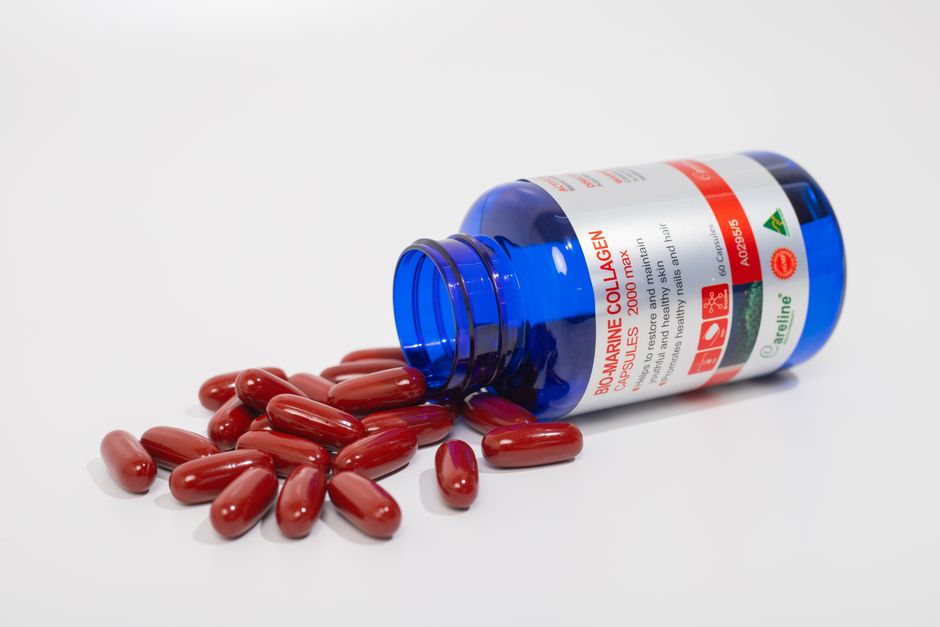
Hydrolyzed collagen and collagen peptides are the same thing. Both terms describe collagen protein that has been broken down into smaller fragments through a process called hydrolysis. The difference is marketing language, not chemistry. If a label says “hydrolyzed collagen” and another says “collagen peptides,” you are looking at the same type of ingredient.
That said, the confusion is understandable. The supplement aisle uses these terms interchangeably, and some brands charge more for one name than the other. Knowing what hydrolysis actually does to collagen — and what it does not do — helps you read labels without being misled.
What Does Hydrolysis Actually Do to Collagen?
Collagen in its natural form is a large, tightly coiled protein. Native collagen molecules are too big for your body to absorb through the gut lining. Hydrolysis solves that problem by using heat, enzymes, or both to break the protein chains into shorter pieces.
The result is a mixture of small peptides — typically two to twenty amino acids long. These shorter chains dissolve in water and can pass through the intestinal wall into the bloodstream. That is the entire purpose of hydrolysis. It converts a structural protein your body cannot absorb into fragments it can.
Once absorbed, these peptides circulate in the blood for a period of hours. Some research suggests they may act as signaling molecules that prompt cells called fibroblasts to produce more collagen. This is a proposed mechanism, not a fully established one. The evidence for it comes largely from laboratory and animal studies, with some supporting data from human trials.
The key point: hydrolysis is a processing step, not a product category. Any collagen that has undergone this breakdown is hydrolyzed collagen. It is also, by definition, collagen peptides. The two labels describe the same material.
Are Hydrolyzed Collagen and Collagen Peptides the Same on a Label?
On a supplement or food label, yes. The terms are used interchangeably because they refer to the same molecular product. You may also see “collagen hydrolysate,” “peptide collagen,” or simply “collagen peptides” — all of these indicate hydrolyzed collagen.
What can differ between products is not the name but the details behind it:
- Source: Bovine (cow), porcine (pig), marine (fish), or eggshell membrane collagen. Each has a different amino acid profile.
- Peptide size: Some products are broken down further than others. Smaller peptides are generally absorbed more readily, though the practical difference is not well quantified in human studies.
- Collagen type: Type I and Type III are common in bovine and marine sources. Type II is typically from chicken cartilage and is often marketed for joint health.
- Purity and additives: Some powders are pure collagen peptides. Others include flavorings, sweeteners, or additional ingredients.
None of these differences change the fact that the base ingredient is hydrolyzed collagen. A product labeled “collagen peptides” is not a different substance from one labeled “hydrolyzed collagen.”
Why Do Brands Use Different Names for the Same Thing?
Marketing. “Collagen peptides” sounds more scientific and consumer-friendly than “hydrolyzed collagen.” The word “peptides” suggests small, absorbable molecules — which is accurate — while “hydrolyzed” sounds industrial. Some brands use one term to distinguish their product from competitors, even when the underlying ingredient is identical.
There is no regulatory definition that separates the two terms in the United States. The FDA does not maintain distinct categories for “hydrolyzed collagen” versus “collagen peptides.” Both fall under the same general framework for dietary supplements and food ingredients.
This means a brand cannot legally claim its “collagen peptides” are fundamentally different from another brand’s “hydrolyzed collagen” based on the name alone. Any real difference would have to come from source, peptide size, or formulation — and those should be stated separately on the label.





Does the Form Matter — Powder, Capsule, or Liquid?
The form affects convenience and dose, not the identity of the ingredient. Hydrolyzed collagen is the same molecule whether it comes as a powder, a capsule, a liquid shot, or a gummy.
Powder is the most common form because it allows for larger doses in a single serving. Capsules typically contain much less collagen per serving, which may make it harder to reach the amounts used in clinical studies. Liquid collagen products vary widely in concentration.
If you are comparing products, look at the amount of collagen per serving rather than the form. A powder and a capsule with the same milligram amount deliver the same ingredient. The powder may simply be easier to take in higher quantities.
What Does the Evidence Say About Collagen Supplements?
The evidence is mixed and depends on what outcome you are looking at. This is where honesty matters more than hype.
For skin, some randomized controlled trials have found that daily oral collagen peptides improved skin elasticity and hydration compared to placebo. Other trials have found no significant difference. Study sizes tend to be small, and many are funded by collagen manufacturers, which is a conflict of interest worth noting.
For joints, the picture is similar. Some studies report modest reductions in joint pain among athletes or people with knee osteoarthritis. Others show no benefit. The American College of Rheumatology does not list collagen supplements as a recommended treatment for osteoarthritis.
For bone health, research is early. A few small trials suggest possible effects on bone mineral density, but the evidence is not strong enough to recommend collagen as a bone-building intervention.
What is clear: collagen supplements are not a treatment for any disease. They are not a substitute for adequate protein intake, resistance exercise, or medical care. The marketing around them often outpaces the science.
How Do You Choose a Collagen Product Without Being Misled?
Ignore the name on the front of the package. “Hydrolyzed collagen” and “collagen peptides” mean the same thing, so neither term tells you anything about quality.
Instead, check these details:
- Amount per serving: Look for the actual grams or milligrams of collagen, not the total weight of the scoop.
- Source: Bovine, marine, porcine, or eggshell. This matters if you have dietary restrictions or allergies.
- Collagen type: Type I and III for skin and general use, Type II often marketed for joints.
- Third-party testing: Look for verification from organizations that test for heavy metals and contaminants. Collagen powders have occasionally been found to contain lead or other metals.
- Added ingredients: Some products include sugar, artificial flavors, or other fillers.
If a brand charges significantly more for “collagen peptides” than another charges for “hydrolyzed collagen” with a similar profile, you are likely paying for marketing, not a better ingredient.
Are There Any Real Differences Between Products?
Yes, but they are not about the name. The real variables are peptide size, source, and formulation.
Peptide size can vary. Some manufacturers use more extensive hydrolysis to produce shorter chains, which may be absorbed faster. Whether this translates to meaningfully better outcomes in humans is not well established. The research comparing different peptide sizes head-to-head is limited.
Source matters for amino acid composition and for people with allergies. Marine collagen lacks the same amino acid profile as bovine. Type II collagen from chicken cartilage is structurally different from Type I. These are real distinctions, but they are separate from the hydrolyzed-versus-peptides question.
Formulation matters if the product includes other ingredients. A collagen powder with added vitamin C is not the same as plain collagen, though vitamin C is involved in collagen synthesis in the body. Whether adding it to a supplement improves outcomes is not clearly established.
Do You Need Collagen Supplements at All?
Your body makes collagen on its own. Production declines with age, which is why skin and joints change over time. But eating collagen — hydrolyzed or not — does not automatically become collagen in your skin or cartilage.
When you eat collagen peptides, your body breaks them down further into individual amino acids. Those amino acids are then used wherever the body needs them, not specifically for collagen production. Some peptides may survive digestion and act as signals, but this is not the primary fate of most of what you swallow.
Adequate overall protein intake, vitamin C, and other nutrients support your body’s own collagen production. Resistance exercise and avoiding excessive sun exposure affect skin and joint health more reliably than any supplement. Collagen powders are a convenient source of protein and may have modest benefits for some people, but they are not essential.
Frequently Asked Questions
Are hydrolyzed collagen and collagen peptides the same thing?
Yes. Both terms describe collagen that has been broken down into smaller peptides through hydrolysis. The names are used interchangeably in supplements and food products.
Which is better, hydrolyzed collagen or collagen peptides?
Neither is better because they are the same ingredient. What matters is the source, peptide size, amount per serving, and whether the product has been tested for contaminants.
Can I take collagen peptides and hydrolyzed collagen together?
Taking both would be redundant since they are identical. There is no benefit to using two products that contain the same type of hydrolyzed collagen.
Does hydrolyzed collagen actually work?
Some small trials suggest modest benefits for skin elasticity and joint comfort, but results are mixed and many studies are industry-funded. The evidence does not support claims that collagen supplements treat or prevent disease.
