
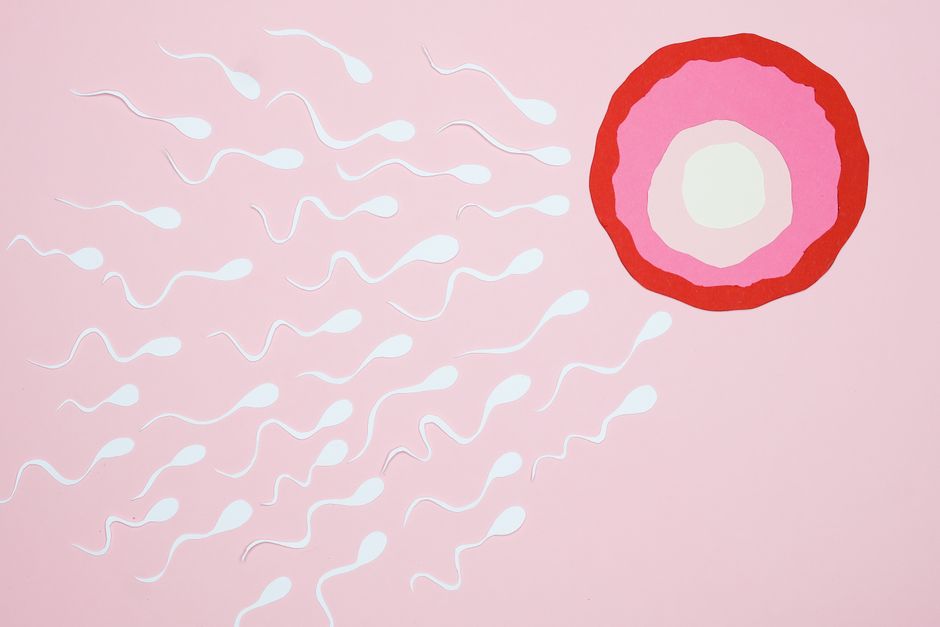
Ovulation is the release of an egg from one of your ovaries, and it usually happens once per menstrual cycle. Your body gives off several physical signals when this occurs, and tracking them can help you identify your fertile window. The most reliable signs are changes in cervical mucus, a slight rise in basal body temperature, and shifts in cervical position, though the methods vary in how easy they are to use and how accurate they are.
What Is Ovulation and When Does It Happen?
Ovulation is the moment a mature egg is released from a follicle in the ovary. The egg then travels down the fallopian tube, where it can be fertilized for about 12 to 24 hours. If sperm is not present, the egg dissolves and is shed with the uterine lining during your period.
For most people with a typical 28-day cycle, ovulation occurs around day 14. However, cycle lengths vary from 21 to 35 days, and ovulation can happen anywhere from day 11 to day 21. The timing is not fixed. Stress, illness, travel, and sleep changes can all shift the day you ovulate.
Knowing when you ovulate matters if you are trying to conceive, and it also matters if you are trying to avoid pregnancy. The fertile window lasts about six days — the five days before ovulation and the day of ovulation itself. Sperm can survive inside the reproductive tract for up to five days, which is why timing intercourse before ovulation is so important for conception.
How Can You Tell That You’re Ovulating Using Cervical Mucus?
Cervical mucus is one of the most reliable physical signs of ovulation. As estrogen rises in the days before ovulation, the mucus changes from thick and sticky to thin, clear, and slippery. It often resembles raw egg whites. This consistency helps sperm swim through the cervix and into the uterus.
To check, wipe with clean tissue before you urinate or insert a clean finger into the vagina. Look at the texture and stretch. If the mucus stretches between your fingers for an inch or more, you are likely in your fertile window. The last day of this slippery, stretchy mucus is often called your peak day, and ovulation typically follows within 24 hours.
Some people do not produce much visible cervical mucus. If you are using this method and see little to no mucus, it does not necessarily mean you are not ovulating. Other signs may be more useful for you.
What Does Basal Body Temperature Tell You About Ovulation?
Basal body temperature is your temperature at complete rest, taken first thing in the morning before you get out of bed. After ovulation, the hormone progesterone causes a slight temperature rise, usually between 0.5 and 1.0 degrees Fahrenheit. This rise confirms that ovulation has already happened.
To track it, take your temperature at the same time each morning before any activity, including talking or drinking water. Use a basal thermometer, which measures to two decimal places. Record the reading daily and look for a pattern.
The limitation here is clear: temperature only tells you after the fact. By the time you see the rise, you have already ovulated. It does not predict ovulation in advance. However, when combined with cervical mucus tracking, it can help you identify a pattern across several cycles, which improves your ability to predict future fertile windows.
Several factors can distort temperature readings. Fever, alcohol the night before, poor sleep, and taking your temperature at different times can all create inaccurate readings. If you work night shifts or have irregular sleep, this method becomes harder to use reliably.





Can Cervical Position and Other Physical Signs Help?
The cervix changes position and texture in response to hormones. During the fertile window, it becomes higher, softer, and more open. After ovulation, it drops lower, becomes firmer, and closes. Checking cervical position takes practice, and many people find it difficult to interpret at first.
To check, insert a clean finger into the vagina and feel for the cervix at the top. It may feel like the tip of your nose when firm, or like your lips when soft. The position — high or low — and the opening — slightly open or closed — both matter. This method is free and requires no equipment, but it has a steep learning curve.
Other physical signs include mild cramping on one side of the lower abdomen, often called mittelschmerz. This pain can last from a few minutes to a few hours. Some people also notice light spotting, breast tenderness, or a heightened sense of smell. These signs are not consistent across people, and they are not reliable enough to use alone.
One less obvious sign is a change in libido. Some research suggests that sexual desire naturally increases in the days leading up to ovulation. While this is biologically plausible, it is not a dependable clinical marker, and it varies widely between individuals.
Do Ovulation Predictor Kits Work?
Ovulation predictor kits detect the surge of luteinizing hormone in urine. This surge typically happens 24 to 36 hours before ovulation. The kits are widely available, inexpensive, and easy to use at home. When used correctly, they are one of the most accurate at-home methods for predicting ovulation.
To use one, test your urine once a day, preferably in the afternoon, starting a few days before you expect to ovulate. A positive result means the LH surge has begun, and ovulation is likely within the next day or two. Some digital versions read the results for you, which removes the guesswork of interpreting test lines.
There are limitations. People with polycystic ovary syndrome may have elevated LH levels all the time, which makes the test falsely positive. Women approaching menopause may also have higher baseline LH. If you have irregular cycles, you may need to test for many days before catching the surge, which can become costly.
Fertility monitors that track both LH and estrogen are also available. These devices claim to identify a wider fertile window because estrogen rises before LH. Some studies support their use, but they are significantly more expensive than standard test strips, and the added benefit for most people is modest.
What About Fertility Tracking Apps?
Fertility apps use algorithms to predict ovulation based on the data you enter. Many apps use your average cycle length and period dates to estimate your fertile window. The accuracy depends entirely on what data you input and how regular your cycles are.
Apps that only use calendar calculations are the least accurate. They assume a fixed luteal phase and a regular cycle, which does not hold for many people. A study published in the Journal of the American Board of Family Medicine found that popular apps varied widely in how accurately they predicted the fertile window. Some were off by several days.
Apps that allow you to log cervical mucus, basal body temperature, and ovulation test results are more useful. These apps combine your observed data with their algorithm, which improves prediction. However, no app can tell you exactly when you ovulate. They are tools for recording and interpreting your own signs, not replacements for them.
When Should You See a Doctor About Ovulation Concerns?
If you have been tracking ovulation signs for several months and are not seeing a clear pattern, it may be worth discussing with a healthcare provider. Irregular periods, cycles shorter than 21 days or longer than 35 days, or no period at all are reasons to seek evaluation.
If you are under 35 and have been trying to conceive for 12 months without success, guidelines recommend seeing a doctor. If you are over 35, the recommendation is to seek help after six months. If you have known conditions such as endometriosis, polycystic ovary syndrome, or a history of pelvic surgery, you should discuss your plans earlier.
Blood tests can confirm ovulation. A progesterone test taken about seven days before your expected period will show elevated levels if ovulation occurred. This test is the most definitive way to confirm that you ovulated in a given cycle, though it does not predict future cycles.
Frequently Asked Questions
What is the most accurate way to detect ovulation at home?
Ovulation predictor kits that detect the LH surge are the most accurate at-home method for predicting ovulation. They correctly identify the surge in most cycles when used according to the instructions.
Can you ovulate without noticing any symptoms?
Yes, many people ovulate without noticing any physical signs. The absence of symptoms does not mean ovulation did not occur.
How many days after ovulation does your temperature stay elevated?
Your temperature typically stays elevated for about 10 to 16 days, until your period begins. If it stays high for more than 18 days, that is a strong sign of pregnancy.
