
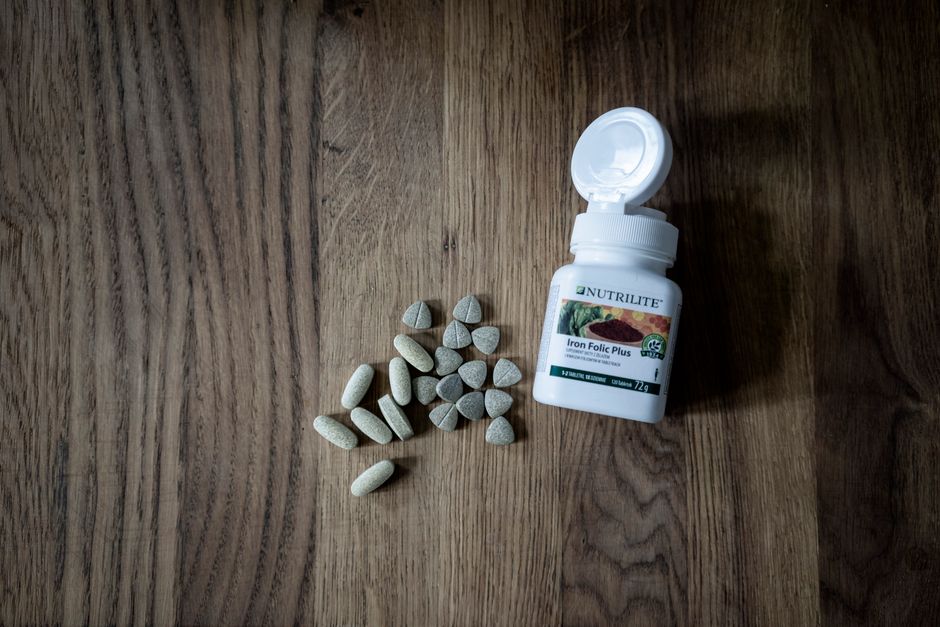
Low iron often shows up as a tiredness that sleep does not fix. You may feel weak, get headaches often, or notice your skin looks paler than usual. Shortness of breath during normal activities and brittle nails are also common signs. The only way to know for sure is a blood test measuring ferritin and hemoglobin levels.
What Are the First Signs of Low Iron?
The earliest symptoms of low iron are easy to miss. Many people blame them on stress, aging, or not sleeping enough. Fatigue that lingers despite rest is the most common early signal. You might also feel unusually cold, especially in your hands and feet.
Some people notice their heart beating faster or harder than normal. This happens because your body works harder to move oxygen when iron levels drop. Cravings for ice, dirt, or clay are a less known but real symptom. The medical term is pica, and it is a strong clue your iron may be low.
Restless legs syndrome is another sign some people report. A 2018 study in the journal Sleep Medicine found that people with low iron stores were more likely to experience restless legs at night. If you feel an uncontrollable urge to move your legs when lying down, it is worth checking your iron levels.
How Does Low Iron Progress Without Treatment?
Iron deficiency happens in stages. The first stage is iron depletion, where your body’s stores run low but you feel fine. The second stage is iron deficiency without anemia. Your iron stores are empty, but your red blood cells still look normal. Symptoms like fatigue and brain fog often start here.
The final stage is iron deficiency anemia. Your red blood cells become small and pale. They cannot carry enough oxygen to your tissues. This is when symptoms become harder to ignore. You may feel short of breath walking up stairs, have chest pain, or feel dizzy when standing up quickly.
The World Health Organization reports that iron deficiency anemia affects about 30% of the global population. Women of childbearing age are at highest risk due to monthly blood loss. Vegetarians and vegans also face higher risk because plant-based iron is harder for the body to absorb.
How Can You Tell If You Have Low Iron Through Blood Tests?
Blood tests are the only reliable way to diagnose low iron. A complete blood count measures hemoglobin and hematocrit levels. Hemoglobin below 12 grams per deciliter in women or 13.5 in men suggests anemia. But these numbers can miss early iron deficiency.
A ferritin test measures your iron stores directly. Ferritin levels below 30 nanograms per milliliter indicate depleted iron stores. Some experts argue the cutoff should be higher. Research published in the American Journal of Hematology suggests symptoms can appear when ferritin drops below 50.
Other tests your doctor might order include serum iron, total iron binding capacity, and transferrin saturation. These paint a fuller picture. A low serum iron with high TIBC points to iron deficiency. Your doctor can interpret these together rather than looking at any single number.
Testing is straightforward and covered by most insurance. A simple blood draw at your doctor’s office or a lab gives results within a day or two. Home test kits are also available but less comprehensive than lab testing.




What Causes Iron Deficiency in Adults?
Blood loss is the most common cause in adults. Heavy menstrual periods are the leading cause for premenopausal women. Digestive bleeding from ulcers, polyps, or colon cancer can cause slow blood loss over months. Taking aspirin or NSAIDs regularly raises this risk.
Poor absorption is another major cause. Conditions like celiac disease, Crohn’s disease, or ulcerative colitis damage the gut lining where iron is absorbed. Gastric bypass surgery also reduces iron absorption significantly. Even without these conditions, some people simply do not absorb iron well from food.
Diet plays a role but is rarely the sole cause in developed countries. The body absorbs heme iron from meat much better than non-heme iron from plants. Vitamin C helps with non-heme iron absorption. Drinking tea or coffee with meals can reduce absorption by up to 60% because of tannins.
| Cause | Who Is Most Affected | How Common |
|---|---|---|
| Heavy menstruation | Premenopausal women | Very common |
| GI bleeding | Older adults, NSAID users | Common |
| Poor absorption | People with gut conditions | Less common |
| Low dietary intake | Vegans, vegetarians | Moderate |
| Pregnancy | Pregnant women | Very common |
Can You Fix Low Iron With Diet Alone?
Diet alone can correct mild iron deficiency in some cases. For moderate to severe deficiency, food is not enough. Your body absorbs only about 10 to 20 percent of the iron in food. Supplements or medical treatment are usually needed to restore healthy levels.
Heme iron from red meat, poultry, and fish is absorbed much better than plant sources. A 3-ounce serving of beef provides about 2 to 3 milligrams of heme iron. Your body absorbs roughly 25 percent of that. Compare that to spinach, which has about 3 milligrams of non-heme iron per cup cooked, but your body absorbs only 1 to 2 percent.
If you rely on plant sources, pair them with vitamin C. Squeeze lemon on your spinach salad. Eat strawberries with your oatmeal. Avoid tea, coffee, and calcium supplements within an hour of iron-rich meals. These simple changes can double or triple how much iron you absorb from food.
Some people report success with cooking in cast iron pans. Research shows this can add small amounts of iron to food, especially acidic foods like tomato sauce. The amount is not enough to treat deficiency but may help maintain levels once they are normal.
What Are the Risks of Iron Supplements?
Iron supplements are effective but not harmless. Taking too much iron can cause constipation, nausea, and stomach pain. These side effects are common enough that many people stop taking their supplements. Slow-release formulas and taking iron with food can reduce stomach upset.
The bigger risk is iron overload. Your body has no way to excrete excess iron. Too much iron builds up in organs and can damage the liver, heart, and pancreas. This is rare in healthy people but dangerous if it happens. Never take iron supplements without a confirmed deficiency and a doctor’s guidance.
Hemochromatosis is a genetic condition where your body absorbs too much iron. About 1 in 200 people of Northern European descent carry the gene. These people can develop iron overload from standard supplements. A simple genetic test can identify this condition before starting iron therapy.
Children are especially vulnerable to iron poisoning. As few as 10 adult-strength iron pills can be fatal to a toddler. Keep iron supplements in childproof containers and out of reach. Call poison control immediately if a child swallows any iron pills.
When Should You See a Doctor About Low Iron?
See a doctor if you have symptoms that last more than two weeks. Fatigue, weakness, pale skin, and shortness of breath are worth checking. Do not try to self-diagnose or self-treat with supplements from the store. Many conditions cause similar symptoms, including thyroid problems, depression, and vitamin B12 deficiency.
Your doctor will start with a simple blood test. If your results show low iron, the next step is finding the cause. For premenopausal women with heavy periods, the cause is often clear. For men and postmenopausal women, digestive bleeding must be ruled out. This may require a colonoscopy or endoscopy.
The CDC recommends screening for iron deficiency in pregnant women and infants. Routine screening is not recommended for everyone. If you have risk factors like a vegetarian diet, a gut condition, or a history of heavy bleeding, ask your doctor if testing makes sense for you.
Frequently Asked Questions
Can low iron cause hair loss?
Some studies suggest low iron may contribute to hair thinning, though the link is not fully proven. Treating iron deficiency sometimes helps hair regrow in people who were low.
How long does it take to fix low iron with supplements?
Most people feel better within two to four weeks of starting supplements. It can take three to six months to fully replenish iron stores in the body.
Is it safe to take iron every day?
Daily iron is safe for people with a confirmed deficiency under a doctor’s supervision. Taking iron without a deficiency can cause toxicity over time.
Can low iron cause anxiety or depression?
Low iron affects brain function and can mimic symptoms of anxiety or depression. Correcting the deficiency often improves mood and mental clarity.
