
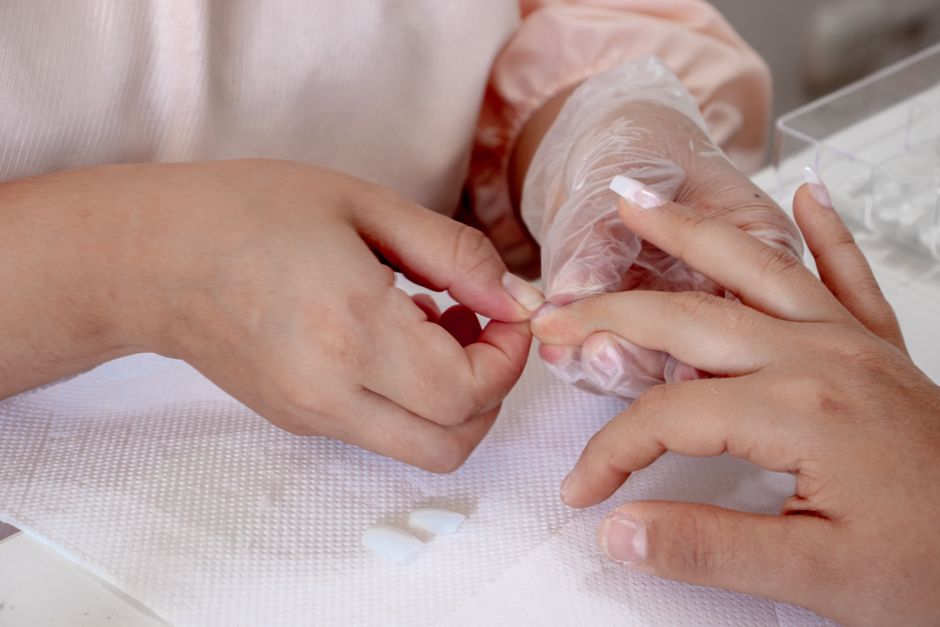
Taking off acrylic nails the right way means soaking them off with pure acetone. Filing down the top layer, soaking in acetone for 20-30 minutes, and gently pushing off the softened product is the only method that protects your natural nails. Ripping, prying, or peeling them off pulls layers of your nail plate with them. That is not a risk worth taking.
What Is the Safest Way to Remove Acrylic Nails at Home?
The safest method is the acetone soak. You need pure acetone, not regular nail polish remover. Most drugstore removers have less than 10% acetone. That will not work. Look for 100% pure acetone in the nail care aisle.
Start by clipping the acrylic nails as short as possible. Use a coarse nail file to gently buff away the shiny top layer of the acrylic. You do not need to file all the way down to your natural nail. Just break the seal so the acetone can penetrate. Then soak a cotton ball in acetone, place it on the nail, and wrap your fingertip in aluminum foil. Leave it on for 20 to 30 minutes.
After soaking, the acrylic should look soft and crumbly. Use a wooden cuticle stick to gently push the residue off. Never use metal tools. Never force anything. If the acrylic does not slide off easily, rewrap and soak longer. Rushing this step is the main cause of nail damage.
Does Filing or Buffing Alone Remove Acrylic Nails?
Filing alone will not fully remove acrylic nails. You can file the bulk of the acrylic down to a thin layer, but you cannot safely file all the way to your natural nail without damaging it. The nail plate underneath is much softer than the acrylic. One wrong stroke and you are filing into living nail bed.
Nail technicians sometimes use an electric file, called an e-file, to speed this up. At home, that is risky. E-files generate heat from friction. Too much pressure or speed can burn the nail bed. If you try this at home, use a hand file with a grit of 100 or higher. File in one direction only. Do not saw back and forth.
Even after thorough filing, a thin layer of acrylic or base coat usually remains. That is why the acetone soak is still necessary. Filing is a prep step, not a removal method on its own.
How Can You Take Off Acrylic Nails Without Damaging Your Natural Nails?
Damage happens when you skip steps or use force. The natural nail is made of keratin layers. Acrylic bonds to those layers. When you pry or peel, you tear those layers apart. The result is thin, peeling, brittle nails that can take months to grow out.
Research published in the Journal of the American Academy of Dermatology notes that repeated trauma from improper nail removal can lead to onycholysis, which is the separation of the nail plate from the nail bed. That condition can be painful and slow to heal.
To avoid damage, keep these rules in mind:
- Never peel or bite acrylic nails off
- Never use metal cuticle pushers on softened acrylic
- Never soak longer than 30 minutes at a time
- Always moisturize after removal with cuticle oil
- Wait at least one week before applying new acrylics
If your natural nails feel thin or sting after removal, that is a sign of damage. Give them a break from all enhancements for several weeks. Nail strengtheners with keratin or calcium can help during recovery, but they cannot rebuild lost nail plate. Only time and proper care can do that.





What Are the Differences Between Acetone and Non-Acetone Removers?
Acetone and non-acetone removers are not interchangeable for acrylic removal. Acetone is a solvent that breaks down the polymer chains in acrylic. Non-acetone removers use ethyl acetate or other mild solvents. They work fine on regular nail polish but will barely soften acrylic.
Here is a direct comparison:
| Remover Type | Works on Acrylic? | Time Needed | Drying Effect on Nails |
|---|---|---|---|
| 100% Pure Acetone | Yes | 20-30 minutes | Very drying |
| Acetone-based nail polish remover | Partially | 45-60 minutes | Moderately drying |
| Non-acetone remover | No | Will not work | Less drying |
Pure acetone is harsh on skin and cuticles. It strips natural oils. That is why you must apply cuticle oil or a thick hand cream immediately after removal. Some people add a few drops of vitamin E oil to their acetone to reduce drying, though there is no clinical evidence that this changes how acetone works on the acrylic itself.
What Happens If You Go to a Salon for Removal?
A professional removal typically costs between $10 and $25. The process is similar to the home method but faster because technicians use an e-file to remove most of the acrylic before soaking. They also have industrial-grade acetone that works more quickly.
The main advantage of salon removal is skill. A trained technician can feel how much pressure to apply with the file. They know when the acrylic is thin enough to soak and when it is fully softened. They also have proper lighting and tools.
The downside is inconsistency. Some salons rush the process. If a technician starts prying or pulling at the acrylic, that is a red flag. You have the right to ask them to soak longer instead. The CDC recommends that nail salon clients watch the sanitation practices being used. Tools should be cleaned between clients. Acetone should not be reused from a shared jar.
What Should You Avoid When Removing Acrylic Nails?
Some viral hacks on social media are dangerous. One popular method suggests using dental floss to saw under the acrylic and pop it off. This causes the same tearing damage as prying. Another suggests soaking in warm water and soap for an hour. Water does not break down acrylic. It only softens the skin, which can make the nail bed more prone to injury if you try to force the acrylic off after.
Never use any of these methods:
- Prying with scissors or tweezers
- Biting or chewing the nails off
- Using glue removers meant for eyelash extensions
- Soaking in hydrogen peroxide or bleach
- Using a Dremel or power tool without a nail-specific bit
The American Academy of Dermatology warns that home removal of acrylic nails is one of the most common causes of traumatic nail injuries. If your nails are already damaged from a previous removal, let them grow out before applying new acrylics. A thin nail plate cannot support the weight and tension of acrylic. That leads to pain and breakage.
Frequently Asked Questions
Can I remove acrylic nails with just nail polish remover?
No. Standard nail polish remover does not contain enough acetone to break down acrylic. You need 100% pure acetone for effective removal.
How long does it take to soak off acrylic nails at home?
Most acrylic nails take 20 to 30 minutes of soaking in pure acetone to soften fully. Thicker sets may need a second round of soaking.
Will my natural nails be damaged after removing acrylics?
Some thinning and peeling is common, especially if the removal was rushed or done incorrectly. Proper soaking and moisturizing can minimize damage.
Can I reuse my acrylic nails after removal?
No. Acrylic nails cannot be reused once removed. The material is permanently altered by the acetone and filing process.
