
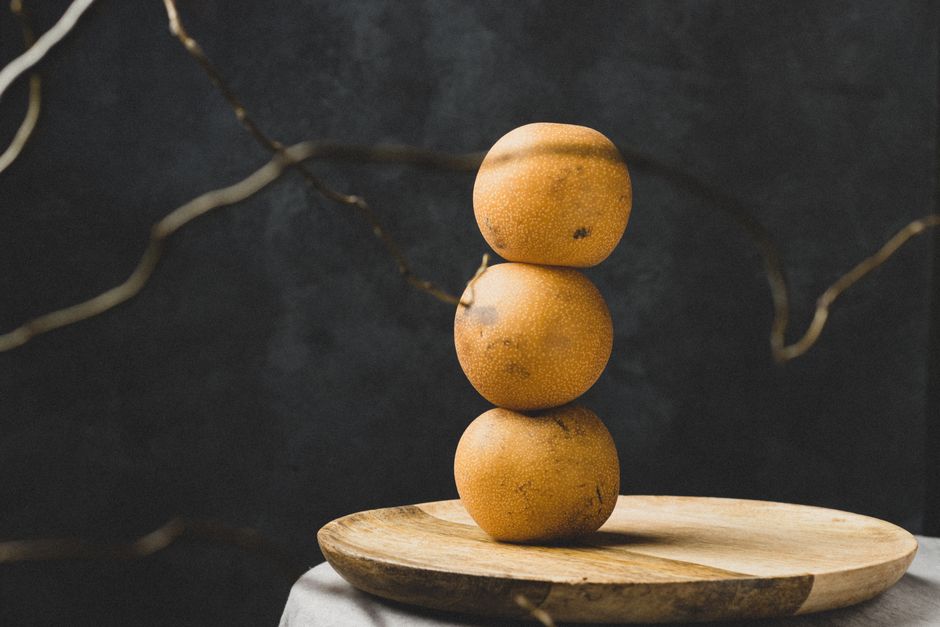
A medium-sized pear contains about 6 grams of fibre. That is roughly 22 percent of the daily value for fibre based on a 2,000-calorie diet. For most people, one medium pear provides a substantial portion of the 25 to 38 grams of fibre recommended each day for adults. The skin holds most of the fibre, so eating the pear whole matters more than many people realize.
How Much Fibre Is In A Pear Compared to Other Fruits?
Pears rank among the higher-fibre fruits available in a typical grocery store. A medium pear with skin delivers more fibre than an apple, a banana, or a cup of strawberries. The difference comes down to the pear’s dense flesh and edible skin.
Here is how common fruits compare for fibre content in a typical serving:
- Medium pear with skin: about 6 grams
- Medium apple with skin: about 4 grams
- Medium banana: about 3 grams
- One cup of raspberries: about 8 grams
- One cup of strawberries: about 3 grams
- One cup of blueberries: about 4 grams
Raspberries and blackberries are the exceptions that beat pears. Among everyday fruits like apples, bananas, and citrus, pears are at the top. The fibre in a pear is split between soluble and insoluble types, which matters for how your body uses it.
Why Does the Skin Matter So Much?
The skin of a pear contains a large share of the fruit’s total fibre. Peeling a pear removes a meaningful portion of the fibre along with it. A peeled pear still has some fibre in its flesh, but the amount drops noticeably.
Studies consistently show that the insoluble fibre in fruit skins contributes to regular digestion and adds bulk to stool. The soluble fibre in the flesh helps feed beneficial gut bacteria. Eating the whole pear gives you both types in one serving.
Washing the pear thoroughly before eating is the only preparation needed. The skin is safe to eat and provides the majority of the fibre benefit. If you peel pears for a recipe, you are removing fibre without replacing it elsewhere.
What Types of Fibre Are in a Pear?
Pears contain both soluble and insoluble fibre, each with different effects in the body. Soluble fibre dissolves in water and forms a gel-like substance in the digestive tract. This type helps slow digestion and can support healthy blood sugar regulation after meals.
Insoluble fibre does not dissolve in water. It adds bulk to stool and helps move food through the digestive system more quickly. The pear’s skin is especially rich in this type of fibre.
Pears also contain pectin, a specific type of soluble fibre found in many fruits. Pectin acts as a prebiotic, meaning it serves as food for beneficial bacteria in the colon. When those bacteria ferment pectin, they produce short-chain fatty acids that support gut health.
The balance of soluble and insoluble fibre in a pear makes it useful for both regularity and gut microbiome support. Most people do not need to think about which type they are getting. Eating whole pears regularly provides both.




How Much Fibre Do You Need Each Day?
Adult women need about 25 grams of fibre per day. Adult men need about 38 grams per day. These figures come from the Institute of Medicine and remain the standard reference for fibre intake in the United States.
Most Americans fall well short of these targets. The average adult in the U.S. consumes roughly 15 grams of fibre daily, about half of the recommended amount. This gap is one reason digestive complaints are so common.
A single medium pear provides roughly 16 percent of a woman’s daily fibre needs and about 16 percent of a man’s needs. Eating one pear as a snack moves you meaningfully toward your daily target without requiring any special preparation.
For older adults, fibre needs remain the same, but total calorie needs often drop. That makes fibre-dense foods like pears more valuable as you age because you get more fibre per calorie.
Do Different Pear Varieties Have Different Fibre Amounts?
All common pear varieties contain similar amounts of fibre. Bartlett, Anjou, Bosc, and Asian pears all fall in the same general range. The differences between varieties are small and not clinically meaningful.
Asian pears are a partial exception. They are rounder and crisper than European varieties, and their fibre content is slightly different per piece. However, the difference is small enough that any pear you choose will provide a solid fibre contribution.
Size matters more than variety. A large pear contains more fibre than a small one simply because there is more fruit. If you are tracking fibre intake, weighing the pear or estimating its size gives you a better sense of the fibre content than the specific variety.
How Should You Eat Pears for the Most Fibre?
Eat the pear whole with the skin on. This is the single most important step for maximizing fibre intake from pears. Slicing the pear does not change the fibre content, but removing the skin does.
Pairing pears with other fibre sources throughout the day helps you reach your total target. A pear with a handful of nuts, a bowl of oatmeal, or a serving of beans all count toward the same daily goal. No single food needs to carry the entire fibre load.
If you are not used to eating much fibre, increase your intake gradually. A sudden jump from 15 grams to 35 grams per day can cause bloating, gas, and abdominal discomfort. Adding one pear per day is a reasonable starting point.
Drinking enough water matters when you increase fibre intake. Fibre absorbs water in the digestive tract. Without adequate fluid, more fibre can actually worsen constipation rather than relieve it.
Are There Any Downsides to Eating Pears?
Pears are safe for most people to eat daily. They are not a common allergen, though pear allergy does exist, especially in people with birch pollen allergy. Symptoms can include itching in the mouth or throat after eating raw pear.
People with irritable bowel syndrome sometimes find pears trigger symptoms. Pears contain fermentable carbohydrates called FODMAPs, specifically sorbitol and fructans. These can cause gas and bloating in sensitive individuals.
Cooking pears can reduce some FODMAP content, which helps some people with IBS tolerate them better. However, cooking does not meaningfully change the fibre content. If you tolerate cooked pears but not raw ones, that is a reasonable way to include them in your diet.
For everyone else, pears are a nutrient-dense fruit with no meaningful downside. The fibre, vitamin C, and antioxidant content make them a solid choice for daily fruit intake.
Frequently Asked Questions
Is a pear a high fibre fruit?
Yes. A medium pear with skin contains about 6 grams of fibre, which is higher than most common fruits like apples, bananas, and oranges.
How many pears should I eat a day for fibre?
One medium pear provides about 22 percent of your daily fibre needs. Eating one pear per day is a reasonable and safe way to increase your fibre intake.
Does peeling a pear remove fibre?
Yes. The skin contains a significant portion of the pear’s total fibre. Peeling removes that fibre, leaving mostly the soluble fibre from the flesh.
Are canned pears as high in fibre as fresh pears?
No. Canned pears typically have less fibre because they are often peeled and packed in syrup. Fresh pears with skin are the better choice for fibre content.
