
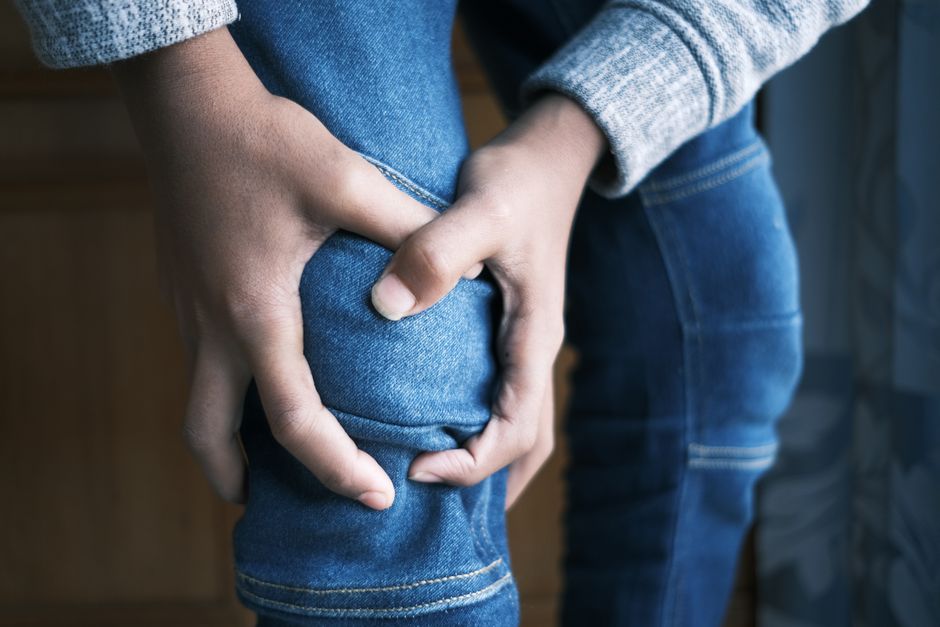
Inflammation is your body’s natural response to injury and invaders, but when it sticks around too long it becomes a problem. Chronic inflammation is linked to heart disease, diabetes, arthritis, and other conditions that affect millions of Americans. To reduce inflammation you need to address the root causes: your diet, your stress levels, your sleep habits, and your environment. There is no single pill or magic food that fixes everything, but the right changes can make a real difference over time.
What Causes Chronic Inflammation in the First Place?
Acute inflammation is the redness and swelling you get from a cut or an infection. That is your immune system doing its job. Chronic inflammation is different. It is a low-level immune response that never fully turns off. Over years this constant activation damages healthy tissue.
The main drivers of chronic inflammation are well understood. A diet high in processed foods, sugar, and unhealthy fats is a major trigger. Excess body fat, especially around the belly, releases inflammatory chemicals. Smoking, heavy alcohol use, and chronic stress also keep inflammation levels high. Poor sleep quality or not enough sleep adds to the problem.
Some people have genetic predispositions that make them more prone to inflammation. Autoimmune conditions like rheumatoid arthritis or lupus are extreme examples. But for most people lifestyle factors are the biggest contributors. That is good news because lifestyle is something you can change.
What Foods Help You Reduce Inflammation?
The Mediterranean diet has the strongest evidence for reducing inflammation. Studies have found that people who follow this pattern have lower levels of inflammatory markers like C-reactive protein (CRP). The diet is rich in fruits, vegetables, whole grains, legumes, nuts, and olive oil. Fatty fish like salmon, mackerel, and sardines provide omega-3 fatty acids that directly fight inflammation.
Berries are particularly well studied. Blueberries, strawberries, and raspberries contain antioxidants called anthocyanins that lower inflammatory responses. Dark leafy greens like spinach and kale are also high in anti-inflammatory compounds. Turmeric contains curcumin, which some studies suggest can reduce inflammation, though you need to eat it with black pepper to help your body absorb it.
Green tea is another food with consistent evidence. The catechins in green tea have been shown to reduce inflammation in several human trials. As of 2026, current research suggests that drinking three to four cups per day provides the most benefit. But do not think you need exotic superfoods. The real benefit comes from the overall pattern, not individual ingredients.
Here is a quick comparison of anti-inflammatory foods versus pro-inflammatory foods:
| Anti-Inflammatory | Pro-Inflammatory |
|---|---|
| Leafy greens (spinach, kale) | Sugary drinks and soda |
| Fatty fish (salmon, sardines) | Processed meats (bacon, sausage) |
| Berries (blueberries, strawberries) | Refined carbohydrates (white bread, pastries) |
| Olive oil and nuts | Fried foods and trans fats |
| Green tea and turmeric | Excessive alcohol |
Does Exercise Help You Reduce Inflammation?
Yes, but the type and amount matter. Moderate exercise consistently lowers inflammatory markers. Walking briskly for thirty minutes most days has been shown to reduce CRP levels. The effect is strongest in people who were sedentary and then started moving. Even small increases in daily activity produce measurable benefits.
High-intensity exercise is more complicated. Very intense workouts actually cause a temporary spike in inflammation. That is normal and part of how muscles repair and grow stronger. The problem comes when people do extreme exercise without enough recovery time. Over time this can keep inflammation elevated rather than reducing it.
Evidence indicates that a mix of aerobic exercise and strength training works best. Aerobic exercise improves circulation and reduces fat mass. Strength training builds muscle, which helps regulate blood sugar and reduces inflammatory signals from fat cells. Aim for 150 minutes of moderate activity per week plus two strength sessions. That is the sweet spot most studies point to.
-
 How to Reduce Inflammation in Joints? Easy Steps to Follow
 -
Can Apple Cider Vinegar Reduce Inflammation? The Short Answer
-
Does Red Light Therapy Reduce Inflammation? Here’s What to Know
-
What Can I Do to Reduce Inflammation in My Body? What to Know
-
Joint Vive Reviews And Complaints 2026: Consumer Reports & Ratings




What Role Does Sleep Play in Inflammation?
Sleep is when your body does much of its repair work. During deep sleep your immune system calms down and inflammatory signals decrease. People who consistently get less than six hours of sleep per night have significantly higher levels of inflammatory markers. This has been confirmed in multiple large studies.
The quality of sleep matters as much as the quantity. Waking up frequently during the night disrupts the repair process even if you spend enough hours in bed. Sleep apnea is a common cause of poor sleep quality that directly drives inflammation. If you snore loudly or wake up gasping for air, getting tested for sleep apnea could reduce your inflammation more than any diet change.
Practical steps to improve sleep include keeping a consistent bedtime, avoiding screens for an hour before bed, and keeping your bedroom cool and dark. Caffeine after noon and alcohol before bed both disrupt sleep quality. Most people need seven to nine hours per night for optimal inflammatory control.
What About Supplements to Reduce Inflammation?
This is where you need to be honest with yourself. Most supplement claims are overhyped. The evidence for most anti-inflammatory supplements is weak. Some people report benefits, but strong clinical trials often fail to show significant effects. Do not expect a pill to undo a poor diet or a stressful life.
Omega-3 fish oil has the best evidence of any supplement. Studies have found that high doses of EPA and DHA can lower inflammatory markers, especially in people with existing inflammatory conditions. The effect is modest but real. Look for supplements that provide at least 1000 milligrams combined of EPA and DHA per day.
Curcumin from turmeric also has some support, but absorption is poor. Most studies use special formulations that increase absorption significantly. Standard turmeric powder from the spice aisle is unlikely to provide enough curcumin to make a difference. Vitamin D deficiency is linked to higher inflammation, so getting your levels tested and supplementing if low is reasonable. Probiotics are widely claimed to reduce inflammation, though strong evidence is limited.
Key supplements and their evidence level:
- Omega-3 fish oil: Moderate evidence for modest benefit
- Curcumin: Weak to moderate, depends on formulation
- Vitamin D: Moderate if you are deficient, none if you are not
- Probiotics: Weak evidence for general inflammation
- Ginger: Some people report relief, limited clinical evidence
What Lifestyle Changes Have the Biggest Impact?
If you had to pick one thing to change, reducing processed food and sugar would have the biggest effect. The standard American diet is loaded with refined carbohydrates and industrial seed oils that directly promote inflammation. Cutting out sugary drinks alone can lower CRP levels within weeks.
Stress management is often overlooked but important. Chronic stress keeps cortisol levels high, which leads to ongoing inflammation. Meditation, deep breathing, and even short daily walks can lower stress hormones. The key is consistency, not intensity. Five minutes of daily deep breathing does more than an hour once a month.
Smoking cessation is non-negotiable. Smoking causes direct inflammatory damage to blood vessels and lungs. Within weeks of quitting, inflammatory markers start to drop. The same applies to heavy alcohol use. Moderate drinking may not cause problems for most people, but more than one drink per day for women or two for men clearly increases inflammation.
Frequently Asked Questions About you reduce inflammation
Frequently Asked Questions About you reduce inflammation
Can you reduce inflammation by changing your diet alone?
Diet changes can lower inflammation significantly, but they work best alongside other lifestyle changes like exercise and stress management. No single food or diet is a complete solution.
How long does it take to reduce inflammation after changing your diet?
Some inflammatory markers can start dropping within a few weeks, but noticeable improvements in symptoms often take two to three months. Consistency matters more than speed.
Does fasting help you reduce inflammation?
Some studies suggest intermittent fasting can lower inflammatory markers, but the evidence is still emerging. The benefits may come more from eating less processed food overall than from the fasting itself.
Can stress alone cause inflammation without other factors?
Yes, chronic psychological stress directly increases inflammatory markers even in people with otherwise healthy lifestyles. Managing stress is a legitimate part of reducing inflammation.
