
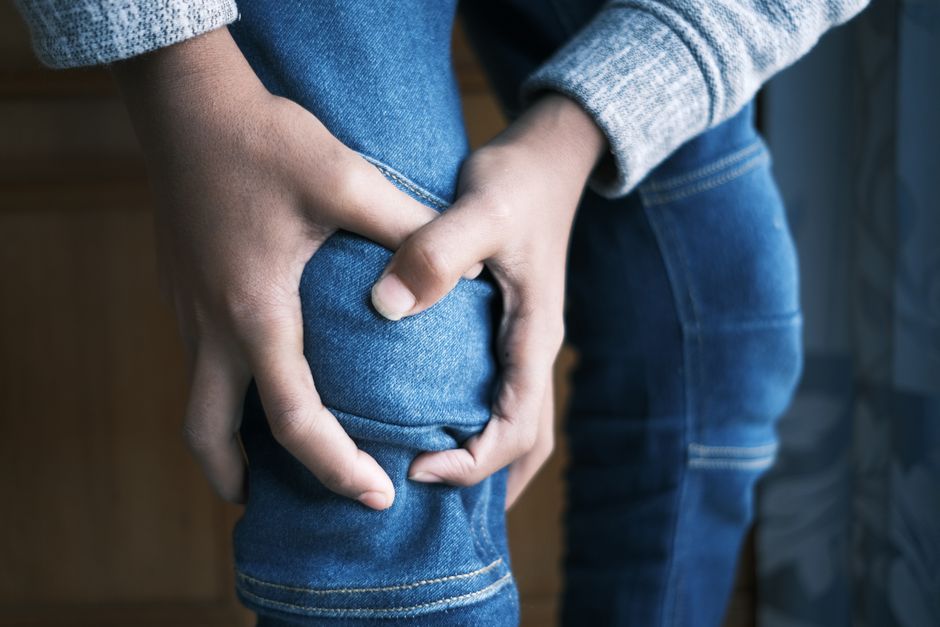
Inflammation is your body’s alarm system, but sometimes it won’t shut off. The fastest way to lower it involves three steps: remove the trigger foods, add targeted anti-inflammatory foods, and change your movement pattern for 48 hours. This is not complicated, but it does require you to stop doing a few things you probably do every day. Let me show you exactly what works and what is just expensive hype.
What Actually Causes Chronic Inflammation in the Body?
Acute inflammation is a bruise or a sprained ankle. It heals. Chronic inflammation is different. It is a low-level fire that never fully goes out. Research shows this persistent inflammation is linked to heart disease, diabetes, arthritis, and even depression.
The main drivers are consistent. A diet high in processed foods and sugar keeps your immune system on alert. Lack of sleep raises cortisol, which triggers inflammatory pathways. Sitting for long hours creates mechanical stress that your body reads as injury. Stress itself releases chemicals that promote inflammation.
Most people do not need a lab test to know they have chronic inflammation. They feel it in stiff joints, brain fog, or constant fatigue. The body is telling you something. The question is whether you are willing to change what you eat and how you move for a few days to see if it responds.
Does Diet Reduce Inflammation in the Body Quickly?
Yes, but only if you remove the wrong foods first. You cannot out-eat inflammation with a single smoothie while still eating fast food and drinking soda. The quickest dietary change is a 48-hour elimination of added sugar, refined grains, and vegetable oils like soybean and canola oil.
Studies have found that a single high-sugar meal can spike inflammatory markers within hours. Conversely, a meal rich in omega-3s from fatty fish or flaxseed can lower those same markers within 24 hours. This is not theory. This is measurable in blood work.
What you add matters just as much. Dark leafy greens, berries, turmeric with black pepper, and fatty fish are among the most studied anti-inflammatory foods. They do not work like a pill. They work by giving your body the raw materials it needs to turn off the inflammatory response naturally.
A simple rule: if it comes in a box with a long ingredient list, it is probably inflammatory. If it grew or swam, it is probably not. The fastest results come from eating whole foods for two days straight and seeing how you feel.
What Foods Should You Avoid to Lower Inflammation Fast?
There are five foods that consistently show up in research as inflammatory triggers. Cutting these for 48 hours is your fastest path to feeling better.
- Sugar and high-fructose corn syrup – found in soda, sweetened yogurt, cereal, and most condiments. Even “natural” sugars like honey and maple syrup spike inflammation in sensitive people.
- Refined grains – white bread, white rice, pasta, and most crackers. These break down into sugar quickly and trigger the same inflammatory response.
- Vegetable oils – soybean, corn, sunflower, and canola oils are high in omega-6 fats. Most people get far too much omega-6 and not enough omega-3, which creates an inflammatory imbalance.
- Processed meats – bacon, sausage, deli meats, and hot dogs contain advanced glycation end products (AGEs) that directly promote inflammation.
- Alcohol – even moderate drinking raises inflammatory markers in many people. For quick results, skip it entirely for 48 hours.
Some people report that dairy and gluten are inflammatory for them, though strong evidence is limited for the general population. If you suspect either is a problem, eliminate it for two days and reintroduce it. Your body will tell you quickly.
The goal is not to eat this way forever. The goal is to see how your body responds when you remove the common triggers. Most people notice less joint stiffness, clearer thinking, and better sleep within 24 to 48 hours.
-
 How to Naturally Reduce Inflammation in the Body? Simple Steps That Help
 -
How to Reduce Bladder Inflammation Naturally? Simple Steps That Help
-
How Can I Reduce Inflammation in My Body? A Closer Look
-
How to Stop Inflammation in the Body Naturally? A Simple Guide That Helps
-
Joint Genesis Reviews 2025 — Side Effects, Ingredients & Results





How Does Exercise Help Reduce Inflammation in the Body Quickly?
Exercise is one of the most powerful anti-inflammatory tools available. But the type and intensity matter a great deal. High-intensity workouts can actually increase inflammation temporarily. That is normal for muscle repair, but it is not helpful if you are already inflamed.
For quick reduction, focus on low-intensity movement. Walking for 20 to 30 minutes at a comfortable pace lowers inflammatory markers in most people within hours. Research shows that a single session of moderate walking can reduce C-reactive protein, a key marker of inflammation.
Stretching and gentle yoga also help by lowering cortisol. When cortisol drops, your body stops producing as many inflammatory chemicals. The key is to move without straining. If you feel pain or exhaustion, you are working too hard.
A simple plan: walk after meals instead of sitting. Do 10 minutes of stretching before bed. Avoid intense weightlifting or sprinting until your inflammation levels drop. Your body needs movement, not punishment.
Current research suggests that consistency matters more than intensity. A 20-minute walk every day reduces inflammation more reliably than a single intense workout once a week.
What About Supplements for Inflammation?
This is where most health content goes wrong. Supplements are not a shortcut. They are a support tool at best, and often a waste of money. Let me be direct about what the evidence actually shows.
Turmeric and curcumin have the strongest evidence of any supplement for reducing inflammation. Studies have found that curcumin can lower several inflammatory markers. But there is a catch. Curcumin is poorly absorbed on its own. You need a formulation with black pepper extract (piperine) or a liposomal version. Without that, you are mostly paying for expensive yellow urine.
Omega-3 fish oil is well-supported by research for reducing inflammation, particularly in people with high triglycerides or rheumatoid arthritis. The effective dose is typically 2 to 3 grams per day of combined EPA and DHA. Most cheap fish oil supplements do not contain anywhere near that amount.
Ginger has moderate evidence. Some studies suggest it reduces muscle pain and inflammatory markers. It is safe and inexpensive, but do not expect dramatic results.
Everything else falls into weak evidence territory. Tart cherry juice, resveratrol, green tea extract, and quercetin all have some small studies suggesting benefit. But as of 2026, there is no clinical evidence that any single supplement replaces the effect of diet and exercise changes.
If you want to try supplements, start with one at a time. Give it two weeks. Track how you feel. If nothing changes, stop. Do not keep buying more hoping for a different result.
| Supplement | Evidence Level | Effective Dose | Key Note |
|---|---|---|---|
| Curcumin (with piperine) | Strong | 500-1000 mg daily | Needs black pepper extract for absorption |
| Omega-3 fish oil | Strong | 2-3 g EPA+DHA daily | Check label for actual EPA/DHA content |
| Ginger | Moderate | 1-2 g daily | Safe but modest effect |
| Tart cherry juice | Weak | 8 oz twice daily | High sugar content dilutes benefit |
What Lifestyle Changes Lower Inflammation the Fastest?
Sleep is the single most underrated anti-inflammatory tool. One night of poor sleep raises inflammatory markers the next morning. One week of adequate sleep lowers them significantly. If you want fast results, prioritize seven to eight hours of quality sleep starting tonight.
Stress management is equally important. Chronic stress keeps cortisol elevated, which keeps inflammation active. The fastest stress reduction technique is slow, deep breathing. Inhale for four seconds, hold for four, exhale for six. Do this for two minutes. It lowers cortisol measurably within minutes.
Hydration matters more than most people realize. Even mild dehydration raises stress hormones and inflammatory markers. Drink water consistently throughout the day. If your urine is dark yellow, you are already behind.
Heat and cold therapy can help in specific situations. Ice packs reduce acute inflammation in a specific joint. Sauna use has been shown to lower overall inflammatory markers over time. But neither replaces the basics of diet, sleep, and movement.
The fastest combination is simple: remove sugar and processed foods for 48 hours, walk for 20 minutes after meals, sleep eight hours, and do two minutes of deep breathing when stressed. That is not a marketing slogan. That is what the research supports.
Common Misconceptions About Inflammation
The biggest myth is that inflammation is always bad. It is not. Acute inflammation is how your body heals. Without it, cuts would not close and infections would spread. The goal is not zero inflammation. The goal is to stop chronic inflammation that never turns off.
Another widespread claim is that alkaline water or special detox teas reduce inflammation. There is no clinical evidence for either. Your body regulates pH on its own. No tea or water changes that. Save your money.
Many people also believe that all pain is inflammation. It is not. Some pain comes from tight muscles, nerve irritation, or structural issues. If anti-inflammatory changes do not help your pain after a few days, see a doctor. Do not keep guessing.
Finally, the idea that you can “cure” chronic inflammation permanently with a single intervention is false. Management is the realistic goal. You will always need to maintain the habits that keep inflammation low. That is not failure. That is how bodies work.
Frequently Asked Questions About reduce inflammation in the body quickly
How fast can I reduce inflammation in my body?
Most people notice reduced stiffness and better energy within 24 to 48 hours of removing sugar and processed foods. Blood markers can improve within a few days of consistent changes.
What is the most powerful anti-inflammatory food?
Fatty fish like salmon, mackerel, and sardines have the strongest evidence for reducing inflammation due to their high omega-3 content. Dark leafy greens and berries are also well-supported by research.
Can drinking water reduce inflammation?
Proper hydration helps lower stress hormones that promote inflammation. It does not directly reduce inflammation, but dehydration makes inflammation worse.
Is ice or heat better for inflammation?
Ice is better for acute inflammation like a sprain or swollen joint. Heat is better for chronic stiffness and muscle tension. For overall body inflammation, neither replaces diet and lifestyle changes.
