
If you want to reduce inflammation, the most effective steps are changing what you eat, getting better sleep, and moving your body regularly. Chronic inflammation is a slow-burning immune response that damages healthy tissue over time. The goal is not to eliminate inflammation entirely — your body needs it to heal — but to calm the overactive response that contributes to arthritis, heart disease, and other conditions.
What Causes Chronic Inflammation in the First Place?
Acute inflammation is the body’s natural healing response. You get a cut, it swells and turns red. That is normal and helpful. Chronic inflammation is different. It happens when the immune system stays activated for months or years without a clear threat to fight.
Several lifestyle factors keep this fire burning. A diet high in processed foods, sugar, and unhealthy fats is a major driver. So is chronic stress, which floods the body with cortisol and other stress hormones that can promote inflammation over time.
Poor sleep is another contributor. When you do not get enough deep sleep, your body produces more inflammatory markers. Carrying excess body fat, especially around the belly, also increases inflammation because fat cells release inflammatory chemicals.
Smoking and drinking too much alcohol are well-established triggers. Even chronic low-grade infections or autoimmune conditions can keep inflammation simmering. The point is that most cases of chronic inflammation are driven by things you can change, not by bad luck or genetics alone.
What Does the Research Say About Anti-Inflammatory Diets?
The strongest evidence for reducing inflammation points to diet. Studies have found that people who follow a Mediterranean-style diet have lower levels of inflammatory markers like C-reactive protein. This diet emphasizes vegetables, fruits, whole grains, fish, olive oil, and nuts.
Research shows that processed foods, refined carbohydrates, and sugary drinks increase inflammation. A 2020 study in the Journal of the American College of Cardiology found that people who ate a pro-inflammatory diet had a 38% higher risk of heart disease. The link is clear.
What specific foods help? Fatty fish like salmon, mackerel, and sardines are rich in omega-3 fatty acids. Studies suggest omega-3s reduce the production of inflammatory molecules. Berries, dark leafy greens, and turmeric also contain compounds that may lower inflammation.
But here is the honest part: no single food is a magic bullet. Eating a bowl of blueberries will not undo the damage of a fast food diet. The pattern of your overall diet matters far more than any one ingredient. Current research suggests that consistent, long-term dietary patterns are what actually shift inflammation levels.
Which Supplements Actually Help Reduce Inflammation?
This is where the evidence gets shaky. Many supplements are marketed for inflammation, but the research supporting them is often weak. Let’s look at what has real backing and what does not.
| Supplement | What Evidence Says | Bottom Line |
|---|---|---|
| Fish oil (omega-3s) | Strong evidence for reducing joint pain and inflammatory markers | Worth trying for most people |
| Turmeric/curcumin | Moderate evidence, but absorption is poor without black pepper | May help, but dosage matters |
| Vitamin D | Low levels linked to higher inflammation, but supplementation studies are mixed | Only helpful if you are deficient |
| Ginger | Some small studies show modest anti-inflammatory effects | Safe but not a strong intervention |
| Collagen | Widely claimed though strong evidence is limited | Not backed by good research |
Fish oil has the best track record. A 2018 review in the journal Nutrients found that omega-3 supplements consistently reduced inflammatory markers in people with chronic conditions. But you need a therapeutic dose — often 2-3 grams per day — which is more than most people get from diet alone.
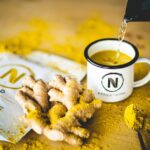
For turmeric, the problem is absorption. Curcumin, the active compound, is poorly absorbed by the body. Pairing it with black pepper (which contains piperine) increases absorption by up to 2000%. Even then, most studies use concentrated extracts, not grocery store turmeric powder.
As of 2026, there is no clinical evidence that supplements like tart cherry, quercetin, or resveratrol reliably reduce inflammation in the general population. Some people report benefits, but the studies are too small or inconsistent to recommend them broadly.




How Does Exercise Affect Inflammation?
Exercise is one of the most effective ways to reduce inflammation, but the type and amount matter. Moderate exercise — brisk walking, cycling, swimming — consistently lowers inflammatory markers. A 2017 study in the journal Brain, Behavior, and Immunity found that just 20 minutes of moderate exercise reduced inflammatory responses in participants.
The key word is moderate. Intense, prolonged exercise can actually increase inflammation temporarily. This is normal. The body repairs itself after a hard workout, and that repair process involves inflammation. But for most people, the anti-inflammatory benefits of regular moderate exercise far outweigh any temporary spike.
What does not help is being sedentary. Sitting for long periods promotes inflammation regardless of how much you exercise otherwise. One study found that people who sat for more than 8 hours a day had higher levels of C-reactive protein, even if they exercised regularly.
The practical takeaway is simple: move frequently throughout the day. A 30-minute walk is great. Getting up from your desk every hour is also important. Both together are better than either alone.
What Role Does Sleep Play in Reducing Inflammation?
Sleep is when the body does much of its repair work. During deep sleep, the body produces fewer inflammatory cytokines and more anti-inflammatory compounds. When you skimp on sleep, that balance shifts.
Research shows that even one night of poor sleep increases inflammatory markers the next day. A 2019 study in the Journal of Experimental Medicine found that people who slept less than 6 hours had significantly higher levels of inflammation than those who slept 7-8 hours.
Chronic sleep deprivation is even worse. People with insomnia or untreated sleep apnea often have persistently high inflammation. This is one reason sleep apnea is linked to heart disease and other inflammatory conditions.
Improving sleep quality is not complicated, but it takes consistency. Keep your bedroom cool and dark. Avoid screens for an hour before bed. Go to sleep and wake up at roughly the same time every day, including weekends. These habits matter more than any sleep supplement.
Common Misconceptions About Inflammation
One of the biggest myths is that inflammation is always bad. It is not. Acute inflammation is how your body fights infections and heals injuries. Without it, a small cut could become a life-threatening infection. The goal is not to eliminate inflammation but to prevent it from becoming chronic.
Another misconception is that you can feel inflammation. Some people with chronic inflammation have no symptoms at all. Others feel fatigue, joint pain, or brain fog. Blood tests measuring C-reactive protein are the most reliable way to know if you have elevated inflammation.
Many people also believe that anti-inflammatory diets are restrictive and boring. They are not. A Mediterranean diet includes pasta, bread, cheese, and even red wine in moderation. It is not about cutting everything out. It is about shifting the balance toward foods that support a healthy immune response.
Finally, some people think that taking a supplement can fix a poor diet. It cannot. No pill replaces the complex mix of nutrients, fiber, and phytochemicals found in whole foods. Supplements are useful for filling specific gaps, not for counteracting a bad diet.
What to Avoid When Trying to Reduce Inflammation
Avoid crash diets and extreme cleanses. These often spike inflammation because they deprive the body of nutrients and increase stress hormones. Your body interprets starvation as a threat, and it responds with inflammation.
Avoid relying on over-the-counter pain relievers like ibuprofen or naproxen for long-term inflammation management. These drugs reduce inflammation temporarily but can damage the kidneys, stomach, and liver when used regularly. They are for short-term relief, not daily use.
Avoid processed vegetable oils high in omega-6 fatty acids, like soybean oil, corn oil, and sunflower oil. These are found in many packaged foods, fried foods, and salad dressings. A high ratio of omega-6 to omega-3 in the diet promotes inflammation.
Avoid alcohol if possible. Even moderate drinking increases inflammatory markers in some people. If you do drink, stick to red wine in small amounts — one glass per day for women, two for men — and skip the beer and cocktails.
Frequently Asked Questions About reduce inflammation
How quickly can diet changes reduce inflammation?
Some people see lower inflammatory markers within 2-4 weeks of switching to an anti-inflammatory diet, though full benefits may take several months.
Can stress alone cause chronic inflammation?
Chronic stress is a significant contributor to inflammation because it keeps stress hormones elevated, which promotes inflammatory activity in the body.
Is it safe to take fish oil every day for inflammation?
Yes, fish oil is generally safe for daily use at doses up to 3 grams, though high doses can thin the blood so check with your doctor if you take blood thinners.
What is the best blood test for inflammation?
A high-sensitivity C-reactive protein test is the most common and reliable blood test for measuring chronic inflammation levels.
