
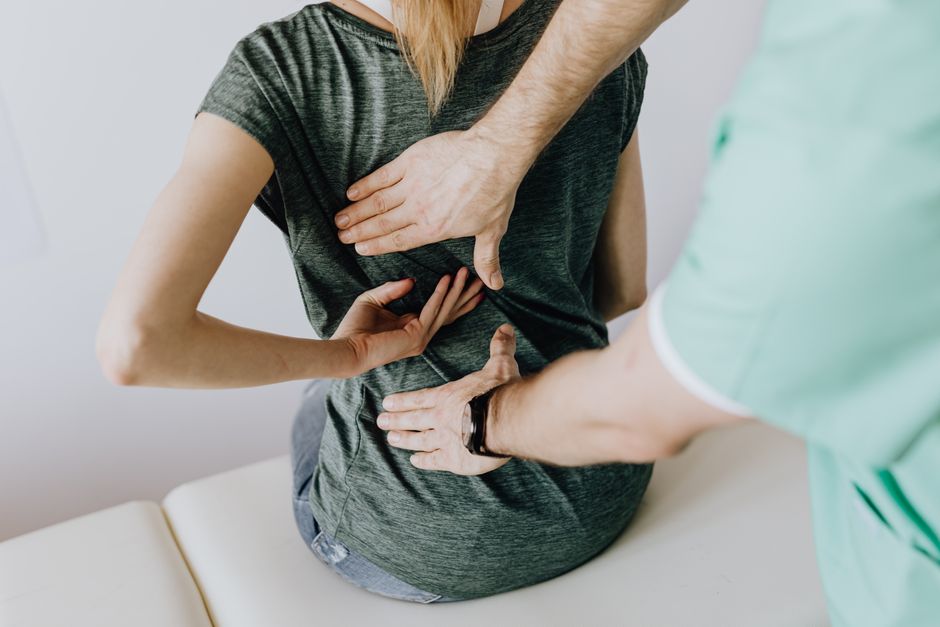
Back pain is one of the most common reasons people see a doctor, and for most, it is not a life sentence. For typical episodes of mechanical back pain—pain tied to muscles, ligaments, or joints—the most effective approach is usually to keep moving safely while addressing the specific causes. You can reduce back pain by staying active, using targeted strengthening exercises, improving posture during daily tasks, and applying heat or cold for short-term relief. If the pain lasts more than a few weeks or radiates down your leg, medical evaluation is the next step.
What Causes Most Back Pain?
Most back pain is mechanical. That means it comes from the way your spine, muscles, and joints work together rather than from a disease process. Common triggers include sudden strain from lifting, prolonged sitting with poor support, weak core muscles, and repeated bending or twisting.
Age plays a role too. Over time, the discs between the vertebrae can lose fluid and become less flexible. Joints can stiffen. These changes are normal parts of aging, and they do not automatically mean pain. Many people with significant wear-and-tear on imaging reports feel completely fine.
Serious causes are rare. Infections, fractures, tumors, or inflammatory conditions account for a small fraction of back pain cases. Red flags that warrant immediate medical attention include loss of bowel or bladder control, numbness in the groin area, severe pain after a fall, or unintended weight loss with persistent pain.
Does Rest Help or Hurt?
For most people, prolonged bed rest makes back pain worse. Studies have consistently shown that staying in bed for more than a day or two weakens muscles and slows recovery. The spine needs movement to maintain healthy blood flow to the tissues and to keep joints lubricated.
The modern guidance is clear: rest briefly if the pain is severe, but get up and move as soon as you can. Start with gentle walking. Short, frequent walks are often better than one long walk that exhausts you. The goal is to avoid positions that spike the pain while keeping the body in motion.
This advice does not apply to acute trauma. If you were injured in a fall or accident, or if you cannot stand or bear weight, seek medical evaluation before attempting any activity.
How Can You Reduce Back Pain With Exercise?
Exercise is the most evidence-backed strategy for reducing and preventing back pain. The type matters less than consistency. Walking, swimming, cycling on a recumbent bike, and specific core exercises all show benefit in clinical research.
Core strengthening deserves special attention. The deep abdominal muscles and the muscles along the spine act as a natural corset. When they are weak, the spine takes more load during everyday movements. Simple exercises like pelvic tilts, bird-dogs, and bridges target these muscles without requiring equipment.
Start gently. If an exercise increases pain beyond a mild ache, stop and modify. Pain during exercise is not a sign of progress. A small amount of discomfort as muscles work is normal, but sharp or radiating pain is a signal to back off.
Flexibility work helps some people but is not a standalone solution. Stretching the hamstrings and hip flexors can reduce tension on the lower back, especially for people who sit for long hours. Yoga and Pilates combine strength with flexibility and have clinical evidence supporting their use for chronic low back pain.





What Is the Best Way to Sit and Stand?
Posture alone does not cause back pain, but sustained poor posture can aggravate an already sensitive spine. The spine has natural curves, and maintaining those curves under load is the goal.
When sitting, keep your feet flat on the floor. Your knees should be about level with your hips. Place a small cushion or rolled towel at the small of your back if your chair lacks lumbar support. Avoid slouching forward toward a screen, which increases pressure on the front of the spinal discs.
Standing for long periods has its own challenges. Shift your weight from one foot to the other. Place one foot on a low stool if you must stand in place. Wear supportive shoes rather than flat, unsoled footwear.
Lifting technique matters more than most people realize. Bend at the hips and knees, not at the waist. Hold the object close to your body. Tighten your abdominal muscles before lifting. Do not twist while holding a heavy load—turn with your feet instead.
What Treatments Work for Acute Back Pain?
For pain lasting less than four weeks, several options have solid evidence. Heat therapy applied for 15 to 20 minutes can relax muscle spasm and improve blood flow. Cold packs reduce inflammation in the first 48 hours after an injury. Many people alternate between the two based on what feels better.
Over-the-counter medications are a reasonable first step. Nonsteroidal anti-inflammatory drugs (NSAIDs) like ibuprofen or naproxen reduce both pain and inflammation. Acetaminophen relieves pain but does not address inflammation. Follow package directions and check with a pharmacist if you have kidney disease, stomach issues, or take blood thinners.
Massage therapy provides short-term relief for muscle tension. The effect is often temporary, lasting days to weeks, but it can create a window of comfort that allows you to exercise. Spinal manipulation by a licensed chiropractor or physical therapist also shows benefit for acute low back pain, though results vary by individual.
Topical creams containing menthol or capsaicin can numb nerve endings near the skin. They do not treat the underlying cause but can offer meaningful symptom relief with few side effects.
When Should You See a Doctor?
Most back pain resolves within six to eight weeks regardless of treatment. But some situations require professional evaluation. See a doctor if the pain lasts more than two weeks without improvement, if it interferes with sleep, or if it limits your ability to perform daily activities.
Radiating pain is a specific concern. Pain that travels down the back of your leg, especially below the knee, may indicate nerve involvement. This pattern is often called sciatica. Numbness, tingling, or weakness in the leg alongside back pain also warrants evaluation.
Imaging is not always necessary. X-rays and MRIs do not show pain—they show structure. Many people without any back pain have disc bulges, arthritis, and other findings on MRI. A doctor will order imaging only when specific red flags are present or when conservative treatment has failed after several weeks.
Physical therapy is often the first professional treatment recommended. A therapist can assess your movement patterns, identify weaknesses, and design an exercise program specific to your situation. This is more effective than generic advice to “stretch more.”
How Long Does It Take for Back Pain to Go Away?
Recovery timelines vary widely. An acute episode from a muscle strain often improves significantly within one to two weeks. Full resolution may take four to six weeks. Chronic pain, defined as pain lasting more than three months, requires a different approach.
For chronic back pain, the goal shifts from complete elimination to functional improvement. Research consistently shows that exercise, cognitive behavioral therapy, and gradual return to normal activity produce better outcomes than passive treatments like prolonged rest or repeated manipulation alone.
Fear of movement can become a problem. When people avoid activity because they fear pain, muscles weaken and the spine becomes more vulnerable. This creates a cycle that prolongs disability. Learning to move confidently within safe limits is often the turning point in recovery.
Frequently Asked Questions
Is walking good for lower back pain?
Yes, walking is one of the safest and most effective activities for most types of lower back pain. Start with short, comfortable distances and gradually increase as your pain allows.
What is the fastest way to relieve back pain?
Applying heat for 15 to 20 minutes and taking an over-the-counter NSAID like ibuprofen often provides the quickest relief for acute episodes. Gentle movement afterward helps prevent stiffness from returning.
Does a heating pad or ice pack work better for back pain?
Ice works best in the first 48 hours after an injury to reduce inflammation. Heat is more effective for muscle spasm and stiffness that persists beyond the initial period.
Can a firm mattress help with back pain?
Medium-firm mattresses are generally better than very firm or very soft options, but comfort matters most. The best mattress is one that keeps your spine in a neutral position while you sleep.
