
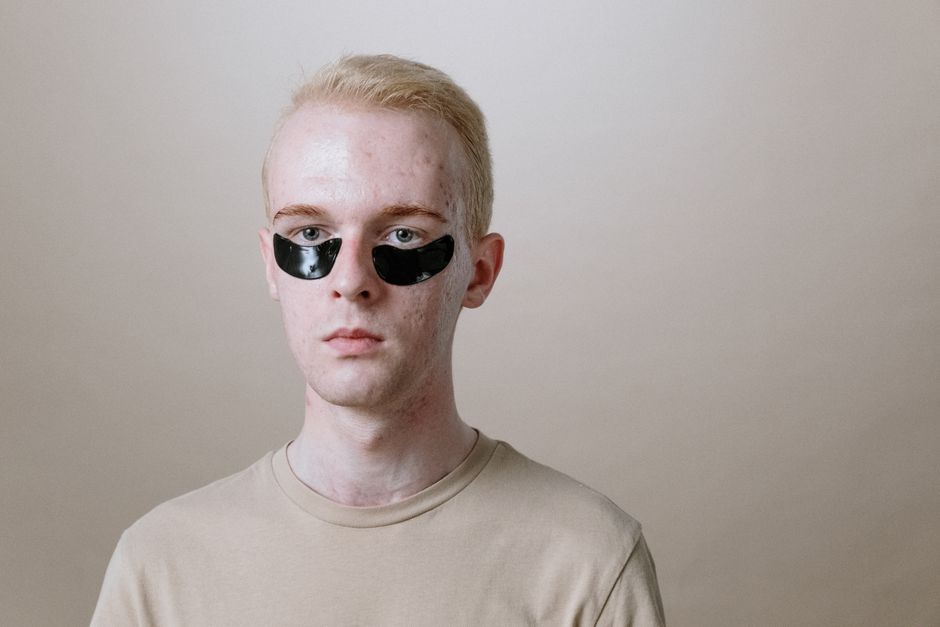
You should never pop a pimple yourself, but if you absolutely must, the safest way is to use a sterile lancet to gently lance the whitehead, then apply even pressure with clean tissue until the contents release. However, dermatologists strongly advise against home extraction because it often pushes bacteria deeper, causes inflammation, and leads to scars or infection. Leaving a pimple alone or using spot treatments is usually far better for your skin.
Why Is Popping Pimples So Tempting?
Pimples form when a hair follicle gets clogged with oil and dead skin cells. Bacteria multiply inside, causing redness, swelling, and pus. That raised, tender spot feels like it needs to be released. The urge to pop is natural, but the risks are real.
When you squeeze a pimple, you force the contents deeper into the skin. The sac can rupture under the surface, spreading bacteria to surrounding tissue. This triggers more inflammation and may turn a small pimple into a larger, more painful lesion. It can also damage collagen fibers, leading to permanent scarring.
How Can You Pop A Pimple? (The Least Harmful Method)
If you decide to go ahead, do it only when the pimple has a visible white or yellow head — a pustule. Never try to pop a deep, red, painful bump that has no head. That is an inflammatory lesion that will not release anything and will only get angrier.
Here is the safest approach:
- Wash your hands and face with a gentle cleanser.
- Sterilize a needle or lancet with rubbing alcohol. A diabetic lancet is ideal because it is sterile and ultra-sharp.
- Gently pierce the whitehead from the side, not straight down. Just a tiny poke to break the surface.
- Wrap clean tissue around both index fingers and press downward on either side of the pimple. Apply even, gentle pressure. Do not dig or scrape.
- Stop if pus or blood does not come out easily. Forcing it will cause damage.
- Apply a small amount of antibiotic ointment or a pimple patch after to protect the open wound.
Even this method carries risk. You are creating a small wound that can become infected. Many dermatologists recommend skipping home extraction entirely.
What Are The Risks Of Popping A Pimple?
The most common risks are scarring, infection, and making the pimple worse. Squeezing damages the skin’s structure. The body responds by creating scar tissue — either a depressed pit (ice-pick scar) or a raised bump (keloid). Darker skin tones are especially prone to post-inflammatory hyperpigmentation, leaving a dark spot that can last months.
Another serious risk is spreading infection to the deeper layers of skin, causing cellulitis. In rare cases, bacteria from a popped pimple can travel through the bloodstream to other parts of the body. This is extremely uncommon from a single pimple, but the risk is real, especially if you pop pimples on your face near the “danger triangle” — the area between your nose and the corners of your mouth. Infections here can reach the cavernous sinus, a vein at the base of the brain, leading to a severe condition called cavernous sinus thrombosis.
Because of this risk, dermatologists are unanimous: do not pop pimples in the danger triangle.





When Should You Never Pop A Pimple?
Never pop a pimple that has no white or yellow head. These are often papules, pustules without a visible core, or cystic lesions deep beneath the skin. Squeezing them will not release anything — it will only rupture the follicle wall and spread inflammation.
Never pop pimples on your nose, upper lip, or forehead within the danger triangle. The veins in this area drain directly to the brain. While serious complications are rare, the consequences can be life-threatening.
Never pop pimples if you have a weakened immune system, take blood thinners, or have a history of skin infections or scarring. In these cases, the risks are much higher.
What Should You Do Instead Of Popping?
Most pimples resolve on their own within a week. You can speed healing and reduce redness with over-the-counter treatments. The most effective ones contain benzoyl peroxide or salicylic acid.
- Benzoyl peroxide kills bacteria and dries out the pimple. It comes in gels, creams, and cleansers. Start with 2.5% strength — it works as well as higher strengths with less irritation.
- Salicylic acid helps exfoliate dead skin cells and unclog pores. It works best for blackheads and whiteheads, not inflamed red bumps.
- Pimple patches (hydrocolloid dressings) absorb fluid from a popped or weeping pimple, protect the area from picking, and keep the wound moist for faster healing.
- Warm compresses applied for 10 minutes a few times a day can help bring a deep pimple to a head naturally.
For persistent or severe acne, see a dermatologist. They can prescribe topical retinoids, oral antibiotics, or other treatments that address the root causes of breakouts.
How To Care For A Popped Pimple
If you already popped a pimple or chose to do so, clean the area immediately with an alcohol-free antiseptic like witch hazel or a gentle cleanser. Do not scrub. Apply an antibiotic ointment like bacitracin or a hydrocolloid patch to protect the wound.
Do not pick at the scab that forms. Let it fall off naturally. Picking the scab increases scarring risk. Keep the area moisturized — dry skin heals slower. Avoid direct sunlight on healing skin; use a broad-spectrum sunscreen daily. UV exposure darkens scars and hyperpigmentation.
If you notice spreading redness, warmth, pus, or fever, see a doctor. These are signs of infection that may require prescription antibiotics.
When To See A Dermatologist For Acne
If you get frequent breakouts, deep cysts, or pimples that leave scars, over-the-counter products are unlikely to solve the problem. A dermatologist can offer treatments that work better than any home remedy.
Professional options include prescription-strength benzoyl peroxide or retinoids, oral antibiotics, hormonal therapy (for women), chemical peels, laser treatments, and extraction done in a sterile clinical setting. In-office extractions by a trained professional are much safer than home popping because they use proper tools and technique to minimize skin damage.
If you have a single pimple that is extremely painful, large, or not healing, a dermatologist can inject it with a corticosteroid. This shrinks the lesion within 24 to 48 hours and reduces the risk of scarring.
Does Popping A Pimple Make It Heal Faster?
No. Popping a pimple often delays healing. When you squeeze, you damage the skin and create an open wound that must heal from scratch. The body then has to repair both the original blocked follicle and the new injury. This makes the total healing time longer, not shorter.
In comparison, an unpopped pimple slowly reabsorbs the pus and heals from the inside out. The skin barrier stays intact, so there is no open wound to get infected. Scarring is much less likely. In most cases, leaving a pimple alone leads to clearer skin in the long run.
Frequently Asked Questions
Can I pop a pimple with my fingers?
No. Using fingers increases the risk of pushing bacteria deeper and damaging the skin. If you must extract, use a sterile lancet and even pressure with clean tissue.
What is the safest way to pop a pimple?
The safest method is to lance the whitehead with a sterile needle, then gently press with tissue wrapped around your fingers. But dermatologists say it is always safer not to pop at all.
Will popping a pimple make it go away faster?
No. Popping usually prolongs healing by creating a wound that can get infected or scar. Unpopped pimples typically heal faster and with less damage.
What happens if I pop a pimple in the danger triangle?
Popping a pimple in the triangle between your nose and mouth corners can, in very rare cases, lead to a brain infection called cavernous sinus thrombosis. This is a medical emergency. Never pop pimples in that area.
