

Varicose veins are enlarged, twisted veins that usually appear on the legs and feet. You cannot get rid of them with exercise, creams, or elevation alone — those steps may ease symptoms, but they do not remove the veins. The treatments that actually eliminate varicose veins are medical procedures performed by a doctor, ranging from laser and radiofrequency ablation to sclerotherapy and surgery.
That distinction matters. A lot of advice online mixes up two different goals: feeling better and removing the vein. This article separates them clearly.
What Actually Causes Varicose Veins?
Veins carry blood back to the heart. In the legs, that means pushing blood upward against gravity. Small one-way valves inside the veins keep blood from flowing backward. When those valves weaken or fail, blood pools in the vein, the vein wall stretches, and the result is a varicose vein.
This is why varicose veins almost always show up in the legs. The veins there work the hardest.
Several factors raise the odds:
- Family history — varicose veins often run in families
- Age — valve function tends to decline over time
- Pregnancy — increased blood volume and pressure on pelvic veins
- Prolonged standing or sitting
- Higher body weight, which adds pressure to leg veins
One clarification worth making: crossing your legs does not cause varicose veins. That is a common myth. The underlying problem is valve failure, not posture. Posture can affect symptoms, but it does not create the condition.
Spider veins are related but different. They are smaller, closer to the skin surface, and usually cosmetic. Varicose veins are larger, bulge, and can cause real symptoms.
What Are the Symptoms Beyond the Visible Veins?
Varicose veins are not only a cosmetic issue. Many people have symptoms even when the veins are not very visible.
Common symptoms include:
- Aching or heaviness in the legs, often worse at the end of the day
- Swelling in the ankles and feet
- Burning, throbbing, or muscle cramping
- Itching around the vein
- Skin discoloration or dryness near the ankle in more advanced cases
Symptoms tend to worsen after long periods of standing and improve with walking or lying down with the legs raised.
In some cases, varicose veins lead to complications. These include bleeding from a vein, superficial blood clots, and skin changes that can progress to ulcers. These are not rare edge cases — they are the reason treatment is sometimes medically necessary rather than optional.
How Can U Get Rid Of Varicose Veins With Medical Treatment?
No home remedy removes a varicose vein. Procedures do. Here is how the main options compare.
| Treatment | How It Works | Typical Setting |
|---|---|---|
| Sclerotherapy | Injects a solution that scars and closes the vein | Office |
| Endovenous laser ablation | Heat from a laser seals the vein shut | Office or clinic |
| Radiofrequency ablation | Heat from radio waves seals the vein shut | Office or clinic |
| Vein stripping or phlebectomy | Surgically removes the vein | Surgical setting |
These procedures work because the body reroutes blood through nearby healthy veins once the damaged vein is closed or removed. The treated vein is not needed.
Which option a doctor recommends depends on the size and location of the vein, symptoms, and overall health. Sclerotherapy is often used for smaller veins. Ablation is common for larger veins deeper under the skin. Surgery is reserved for specific cases.
Recovery varies. Many people return to normal activity within a day or two after ablation or sclerotherapy. Surgery typically involves a longer recovery. A doctor can give realistic expectations for a specific situation.
One point that gets lost: treatment does not prevent new varicose veins from forming later. It removes the ones you have. New ones can develop over time.


Do Compression Stockings and Home Measures Help?
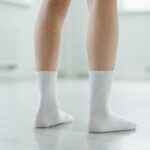
Compression stockings do not remove varicose veins. What they do is apply steady pressure to the leg, which helps blood move upward and can reduce aching, swelling, and heaviness.
For people with mild symptoms, compression is often the first step. It is also commonly used after procedures to support healing.
Other measures that can ease symptoms:
- Elevating the legs above heart level when resting
- Walking regularly to keep calf muscles pumping blood
- Avoiding long stretches of standing or sitting still
- Maintaining a healthy body weight
These steps improve how you feel. They do not make the veins disappear. Anyone who tells you otherwise is selling something.
What About Creams, Supplements, and Exercises?
No cream, supplement, or exercise program has been shown to eliminate varicose veins.
This is worth stating plainly because the market is full of products claiming otherwise. A topical cream cannot reach a vein that sits beneath skin, fat, and muscle. A supplement cannot repair a failed valve. Exercise strengthens calf muscles and improves circulation, which helps symptoms, but it does not reverse a vein that has already stretched.
Some people find that certain creams soothe itching or dryness. That is a comfort effect, not a treatment for the vein itself.
If a product promises to “erase” varicose veins without a procedure, treat that claim with suspicion. The evidence does not support it.
When Should You See a Doctor?
See a doctor if varicose veins cause pain, swelling, skin changes, or interfere with daily life. Also seek care if a vein bleeds, becomes warm and tender, or if you notice a sore near the ankle that is not healing.
A doctor can usually diagnose varicose veins with a physical exam. An ultrasound may be used to check how the valves are working and to plan treatment.
Treatment is not always required. Many people with mild varicose veins manage symptoms with compression and lifestyle measures and never need a procedure. The decision depends on symptoms, complications, and personal preference.
It is also reasonable to ask about insurance coverage. Many plans cover treatment when it is medically necessary, not when it is purely cosmetic. Coverage rules vary, so it is worth checking before assuming.
Can Varicose Veins Be Prevented?
There is no proven way to prevent varicose veins entirely, especially if they run in your family. What you can do is reduce strain on your leg veins.
Steps that may help:
- Stay active — walking keeps blood moving
- Avoid standing or sitting in one position for long periods
- Elevate your legs when you rest
- Maintain a healthy weight
- Wear compression stockings if a doctor recommends them
These measures may lower the chance of new veins forming or slow their progression. The evidence here is not strong enough to promise prevention, but the steps are low-risk and support general circulation.
If you already have varicose veins, these habits can still help manage symptoms and support recovery after treatment.
Frequently Asked Questions
Can varicose veins go away on their own?
No. Varicose veins do not heal on their own because the underlying valve damage is permanent. Symptoms can improve with compression and lifestyle changes, but the vein itself stays unless it is treated.
What is the most effective treatment for varicose veins?
Endovenous ablation and sclerotherapy are the most common procedures, and both are effective for many people. The best option depends on the size and location of the vein and should be decided by a doctor.
Do compression stockings cure varicose veins?
No. Compression stockings reduce symptoms like aching and swelling but do not remove or repair the vein. They are a management tool, not a cure.
Are varicose veins dangerous?
Most are not dangerous, but they can lead to complications like bleeding, clots, and skin ulcers in some cases. See a doctor if you have pain, swelling, skin changes, or a vein that bleeds.
