
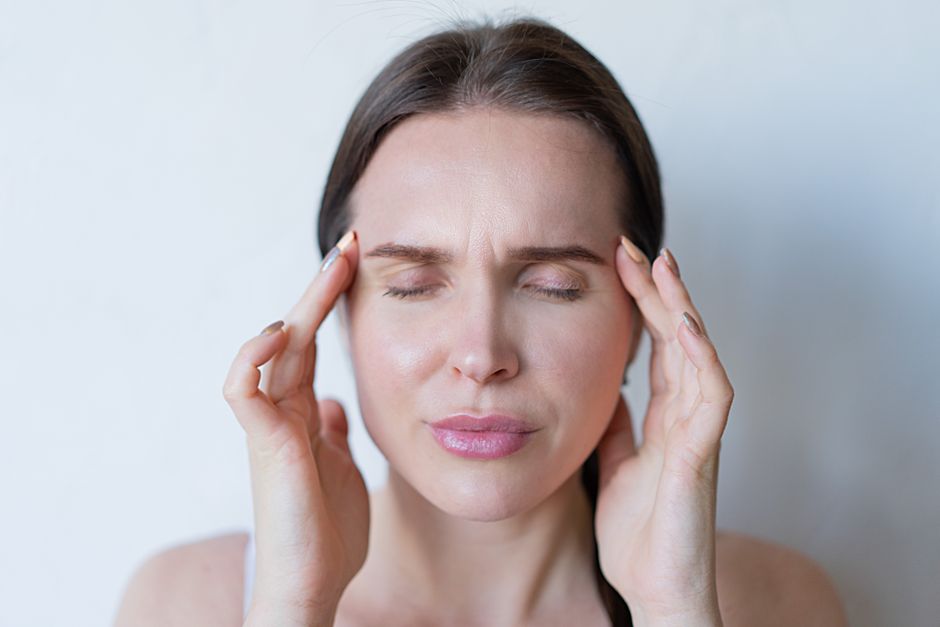
Most headaches go away on their own, but you do not have to just wait them out. The fastest way to get rid of a headache depends on what kind it is. For tension headaches, over-the-counter pain relievers like ibuprofen or acetaminophen work well for most people. For migraines, a dark quiet room and specific migraine medication often help best. Drinking water and resting are simple first steps that work for many headache types before reaching for medicine.
What Causes Headaches in the First Place?
Headaches happen when nerves in your head and neck send pain signals to your brain. The brain itself has no pain receptors. The pain comes from blood vessels, muscles, and nerves around your skull.
Tension headaches are the most common type. The American Migraine Foundation reports that about 90 percent of people will have a tension headache at some point. Tight muscles in the scalp, neck, and jaw cause this type. Stress, poor posture, and lack of sleep are typical triggers.
Migraines are different. They involve changes in brain activity that affect blood flow and nerve signals. About 12 percent of Americans get migraines according to the Migraine Research Foundation. Women are three times more likely than men to experience them.
Sinus headaches are less common than people think. Many sinus headaches are actually migraines. True sinus headaches come with thick yellow or green nasal discharge and fever. If you do not have those symptoms, it is probably not a sinus headache.
How Can You Get Rid Of Headache Without Medication
Non-drug approaches work for many headaches, especially tension headaches. Start with hydration. The Journal of Headache and Pain published research showing that dehydration is a clear headache trigger. Drink a full glass of water and wait 15 minutes. Many headaches improve with water alone.
Caffeine helps some headaches but can backfire. A small amount of caffeine can boost the effect of pain relievers. The problem is caffeine withdrawal. If you drink coffee daily and skip a day, you can get a withdrawal headache. The Cleveland Clinic notes that caffeine withdrawal headaches typically start 12 to 24 hours after your last dose.
Ice or heat can make a real difference. For migraines, a cold pack on your forehead or temples can numb the pain. For tension headaches, a warm compress on your neck and shoulders relaxes tight muscles. Try one for 15 minutes and see how you respond.
Rest in a dark quiet room. Light and sound sensitivity often make headaches worse. A 2020 study in the journal Pain found that even moderate light levels increased headache pain in people with migraines. Close the blinds, turn off screens, and lie still.
What Medications Actually Work for Headaches
Over-the-counter options include acetaminophen, ibuprofen, naproxen, and aspirin. These work well for tension headaches. For migraines, they help some people but not everyone.
Ibuprofen and naproxen are nonsteroidal anti-inflammatory drugs (NSAIDs). They reduce inflammation that can contribute to headache pain. Acetaminophen works differently by blocking pain signals in the brain. Neither is clearly better for headaches, but some people respond better to one than the other.
A study published in the journal Neurology found that a combination of acetaminophen, aspirin, and caffeine worked better for migraines than any single ingredient alone. That is why products like Excedrin Migraine exist. But do not take this combination daily. Caffeine overuse can cause rebound headaches.
Prescription medications exist for people with frequent migraines. Triptans like sumatriptan and rizatriptan target the brain changes that cause migraines. The American Headache Society recommends triptans for moderate to severe migraines. These require a prescription and work best when taken at the first sign of a migraine.
| Medication Type | Examples | Best For | Onset Time |
|---|---|---|---|
| NSAIDs | Ibuprofen, Naproxen | Tension headaches, mild migraines | 30-60 minutes |
| Acetaminophen | Tylenol | Tension headaches | 30-60 minutes |
| Combination | Excedrin Migraine | Migraines | 30 minutes |
| Triptans | Sumatriptan, Rizatriptan | Moderate to severe migraines | 15-30 minutes |





What Makes Headaches Worse Instead of Better
Overusing pain medication causes rebound headaches. This is also called medication-overuse headache. The International Classification of Headache Disorders defines this as taking pain relievers for headaches 10 or more days per month. The treatment is to stop the medication, which temporarily makes headaches worse before they improve.
Skipping meals triggers headaches in many people. Low blood sugar can cause blood vessels in the brain to dilate, which triggers pain. The Journal of Headache and Pain published research showing that fasting was a migraine trigger for 39 percent of study participants. Eating regular meals helps prevent this.
Poor posture while sitting at a desk strains neck and shoulder muscles. This tension travels up into the head. A 2019 study in the journal Headache found that people with poor posture had more frequent tension headaches. Adjust your chair, keep your screen at eye level, and take breaks to move around.
Alcohol is a known headache trigger for many people. Red wine specifically contains compounds that can trigger migraines in susceptible people. Beer and spirits also cause headaches, partly through dehydration. If you notice a pattern with alcohol, reducing or avoiding it may help.
When Should You See a Doctor for Headaches
Most headaches are not dangerous. But some signs warrant medical attention. The CDC advises seeing a doctor if you have a headache that is sudden and severe, especially if it feels like the worst headache of your life. This could be a sign of a more serious condition.
Other warning signs include headaches that wake you from sleep, headaches that follow a head injury, and headaches accompanied by fever, stiff neck, or confusion. These symptoms can indicate meningitis, a bleed in the brain, or other serious problems.
Chronic headaches also deserve medical attention. If you have headaches 15 or more days per month, you may have chronic migraine or chronic tension-type headache. The American Migraine Foundation recommends talking to a doctor if headaches interfere with your daily life. Preventive medications exist that can reduce headache frequency.
A headache diary helps doctors diagnose what is going on. Track when headaches start, how long they last, what you ate and drank, your sleep, and any medication you took. Patterns become clear after a few weeks. The National Headache Foundation has free templates for headache diaries.
Common Misconceptions About Headaches
Many people believe that all headaches are caused by stress or tension. This is not true. Migraines have a neurological basis. Sinus infections are also blamed for headaches more often than they should be. The American Academy of Otolaryngology estimates that 90 percent of people who think they have sinus headaches actually have migraines.
Another myth is that you should just tough out a headache without medication. This is not helpful. Taking medication early in a headache works better than waiting for the pain to become severe. The key is not to overuse it.
Some people think that drinking coffee will always make a headache better. This is only true for people who do not consume caffeine regularly. For regular coffee drinkers, caffeine withdrawal is a more likely cause of headaches than caffeine helping them.
There is no clinical evidence that essential oils cure headaches. Some people report that peppermint oil applied to the temples provides a cooling sensation that feels soothing. That is a sensory effect, not a cure. Strong evidence from peer-reviewed research is lacking for most natural remedies.
Frequently Asked Questions
How long does a typical headache last?
Tension headaches usually last 30 minutes to a few hours. Migraines can last 4 to 72 hours without treatment.
Can dehydration cause headaches?
Yes, dehydration is a well-documented headache trigger. Drinking water can resolve a dehydration headache within 30 minutes.
Is it safe to take headache medication every day?
No, taking pain relievers for headaches more than 10 days per month can cause rebound headaches and other side effects.
Does exercise help or hurt headaches?
Gentle exercise like walking can help tension headaches. Intense exercise often triggers or worsens migraines in people who get them.
