

Earwax is normal and healthy. It traps dust and dirt and keeps your ear canal lubricated. Most of the time, you do not need to remove it at all. Your ears clean themselves by slowly moving old earwax out of the canal, where it dries and falls away. If you feel like you have a blockage, the safest method is to soften the wax with a few drops of mineral oil or baby oil and then flush the ear gently with warm water. If that does not work, see a doctor. Do not use cotton swabs, and do not try ear candling — both can cause real harm.
Why Does Earwax Build Up?
Your ear canal produces wax constantly. It is not a sign of poor hygiene. For most people, the wax migrates out naturally. The jaw movement from talking and chewing helps push it along.
Some people simply produce more wax than others. This can be genetic. Older adults often have drier wax that is harder to flush out naturally. People who wear hearing aids or earbuds frequently may push wax deeper into the canal, which causes it to compact over time.
Blockage is not the same as having visible wax. You can see wax in the outer ear and still have a completely open canal. Impaction means the wax has filled the canal and is pressing against the eardrum. That is when symptoms appear.
What Are the Symptoms of a Blocked Ear?
Signs of impaction include a feeling of fullness in the ear, muffled hearing, ringing, itching, or a mild ache. Some people feel dizzy or off-balance. These symptoms can also come from other ear problems, including fluid behind the eardrum or an infection.
Pain is not a typical symptom of earwax blockage. If your ear hurts, especially with fever or discharge, do not assume it is wax. See a doctor. Ear infections need proper treatment, and trying to remove wax yourself can make an infection worse.
Sudden hearing loss is never caused by wax alone. If you lose hearing quickly in one ear, seek medical attention immediately. That requires urgent evaluation, not home treatment.
How Can You Get Earwax Out Safely at Home?
If you are confident the problem is wax, home treatment can work. The most widely recommended approach is ear drops to soften the wax.
You can buy over-the-counter drops that contain carbamide peroxide. These work by releasing oxygen bubbles in the wax, which helps break it apart. Mineral oil, baby oil, and glycerin also soften wax effectively. Some clinicians recommend them because they are simple and less irritating.
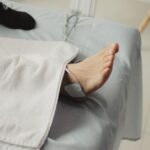
To use drops properly, lie on your side with the affected ear facing up. Put a few drops in the canal. Stay in that position for about five minutes. Then sit up and let the drops drain out onto a tissue. Do this once or twice a day for up to a week.
After softening, you can flush the ear gently. Use a bulb syringe filled with body-temperature water. Tilt your head and gently squeeze the water into the ear canal. Let it drain out. Never use cold water — it can cause dizziness. Never use a pressurized device like a Waterpik. The force can damage your eardrum.
Some doctors also recommend a mixture of equal parts white vinegar and rubbing alcohol as ear drops. This is not for softening wax. It helps dry the ear and prevent infection. It is a common recommendation but not a treatment for existing blockage.



What Should You Never Do?
Cotton swabs are the most common cause of earwax impaction. The swab pushes wax deeper into the canal, packing it against the eardrum. It also risks scratching the delicate skin of the ear canal, which can lead to infection. This is not a theoretical risk. Emergency departments regularly see patients with cotton swab injuries.
Do not use any sharp object. Bobby pins, paper clips, keys, and fingernails can all cut the ear canal or puncture the eardrum. The ear canal narrows near the eardrum, so you cannot see what you are doing. You are working blind.
Ear candling is not safe and does not work. This practice involves placing a hollow candle in the ear and lighting the other end. Practitioners claim the heat creates suction that draws wax out. Research has shown this is false. The residue found in candles after use is candle wax, not earwax. The real risks include burns to the face and ear, ear canal blockage from dripping candle wax, and even punctured eardrums.
The FDA has issued warnings about ear candles. No clinical evidence supports their use. If someone offers you ear candling, decline.
When Should You See a Doctor?
See a doctor if home treatment does not work after a few days. Also seek care if you have diabetes, a weakened immune system, or a history of eardrum perforation. These conditions raise the risk of complications from ear irrigation.
Do not use ear drops at home if you suspect you have a perforated eardrum. Signs of a perforation include sudden sharp pain, drainage, hearing loss, or a history of ear surgery. Drops can enter the middle ear and cause infection or damage.
A doctor can remove wax using several methods. They may use a small curved instrument called a curette under direct visualization. They may use suction. They may irrigate the ear with warm water. All of these are done with proper lighting and equipment, which makes them safer than anything you can do at home.
If the wax is very hard, a doctor may prescribe cerumenolytic drops to use for several days before removal. These are stronger than over-the-counter options and are used only when the eardrum is known to be intact.
Can You Prevent Earwax Blockage?
You cannot stop your ears from making wax, and you should not try. Wax is protective. The goal is to prevent impaction, not to eliminate wax entirely.
The simplest prevention is to stop putting anything in your ears. This includes cotton swabs, fingers, and earbuds. If you use earbuds frequently, clean them regularly and give your ears breaks.
People who wear hearing aids often need routine wax removal by a professional. The device sits in the canal and interferes with natural migration. This is a maintenance issue, not a hygiene failure.
Some people use a few drops of mineral oil in each ear once a week to keep wax soft. This is a reasonable preventive strategy for people with a history of blockage. It is not necessary for everyone.
Does Earwax Type Matter?
There are two genetic types of earwax: wet and dry. Wet wax is brown and sticky. Dry wax is gray or tan and flaky. Both are normal. The type is determined by a single gene and varies by ethnicity.
Dry wax is more common in people of East Asian descent. Wet wax is more common in people of African and European descent. Neither type is more prone to blockage on its own. The risk comes from anatomy, habits, and how much wax you produce.
Some research has linked wet earwax to higher body odor and increased sweat production. This is a genetic correlation, not a health concern. It does not affect how you should manage earwax.
Is There Any Connection Between Earwax and Diet?
No reliable evidence shows that diet changes earwax production. Some online sources claim that reducing dairy or sugar will reduce wax. That is not supported by clinical research. Earwax production is not regulated by the foods you eat.
Stay hydrated and eat a normal diet. That is good general health advice, but do not expect it to change your earwax. If someone tells you a specific food caused your blockage, that claim has no scientific basis.
Frequently Asked Questions
Can I use hydrogen peroxide to remove earwax?
Yes, but use a dilute solution. Over-the-counter ear drops containing carbamide peroxide are safer than straight hydrogen peroxide from the bottle. Never use it if you have ear pain, drainage, or a history of eardrum problems.
How long does it take for ear drops to soften earwax?
Most drops need several days of use, applied once or twice daily. Hard impacted wax may take up to a week to soften enough to flush out. If symptoms persist after a week, see a doctor.
Is it safe to flush my ear with water?
Gentle flushing with a bulb syringe and body-temperature water is generally safe if your eardrum is intact. Never use high-pressure water devices, and never use cold water. If you have any doubt about your eardrum, do not flush at home.
Why does my ear still feel blocked after the wax is gone?
The ear canal can feel strange for a few days after removal. The skin may be irritated, or the eustachian tube may need time to equalize pressure. If the feeling lasts more than a week or comes with pain, see a doctor.
